AT&T Internet vs Cox: Which Provider Should You Choose?
AT&T and Cox are two of the biggest ISPs in the US. They both cover a wide area and offer solid internet plans at competitive prices.
That said, there are some key differences between them that could steer your decision one way or the other.
We’ve dug into the details so you can figure out which provider actually makes sense for your household.
By the end of this comparison, you’ll know whether AT&T DSL, AT&T fiber, or Cox cable internet is the better pick based on where you live. Let’s get into it.
AT&T Internet Vs Cox: Accessibility
AT&T Internet is available in 22 states across the US, giving it a slight edge over Cox’s 18-state footprint.
There is some overlap in a handful of states where both ISPs operate: Arkansas, California, Louisiana, and North Carolina.
AT&T has stronger coverage in southeastern US states, while Cox is more concentrated in northern and midwestern regions.
If you live in an overlap area, don’t assume both are available at your exact address. Always confirm first. Here is the AT&T availability page, and here is the Cox availability page.
AT&T Internet Vs Cox: Approval Rating
AT&T ranked second in a customer satisfaction report, while Cox came in fourth. Users rated them similarly in terms of speed and reliability.
Cox users were more satisfied with customer support compared to AT&T users.
This topic ties into our Verizon fios vs cox guide, which covers the next steps.
Both ISPs scored poorly on price, though AT&T still edged out Cox with a 3.5/5 price satisfaction rating compared to Cox’s 3.3/5.
AT&T fiber users rated the company highly across all categories compared to DSL customers, especially when it came to speed.
Overall, AT&T fiber scored 3.8, while AT&T DSL scored 3.6. That puts the final rankings at AT&T fiber first, then Cox, and AT&T DSL last.
AT&T Internet Vs Cox: Charges
Equipment
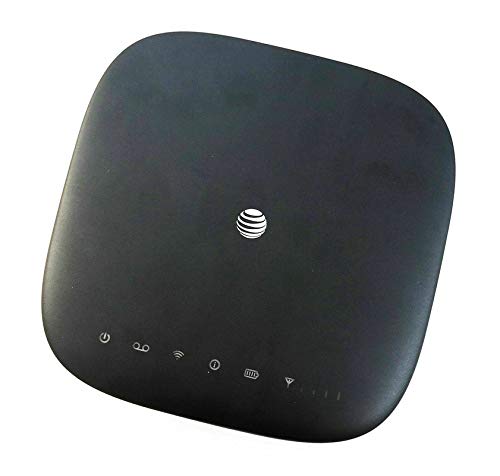
Cox charges a $13 equipment rental fee for its Panoramic WiFi router. You can skip this charge by buying a Cox internet-compatible router of your own.
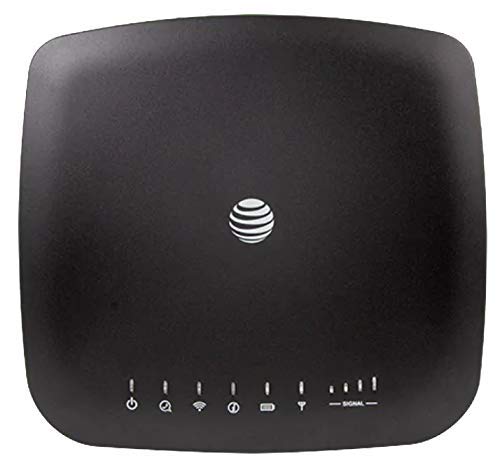
AT&T wins this category easily because the gateway device rental fee is already included in your monthly internet bill.
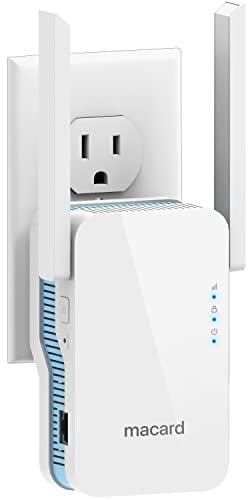
Both AT&T and Cox offer optional WiFi range extenders you can connect to your modem for better coverage. AT&T charges $50 while Cox charges $130 for the range extender.
Installation
Both AT&T and Cox have a one-time professional installation charge of $100.
If you subscribe to Cox, you can skip this fee and request a self-installation kit that walks you through setup without needing a technician.
AT&T also offers a free self-installation kit, but it’s not available in every area. You’ll need to contact AT&T to find out if it’s an option at your address.
AT&T Internet Vs Cox: Perks
Both AT&T and Cox provide free public WiFi hotspots across most US states.
Cox has the upper hand here, though. AT&T only has about 30,000 WiFi hotspots, while Cox has over three million WiFi hotspots.
Our guide on t-mobile internet vs cox goes into more detail if you need it.
To find the best ISP deal, it’s always smart to check what promos are running at the moment. Most of Cox’s perks are reserved for bundle subscribers.
AT&T has a web-only promo for a $200 gift card when you sign up for their internet services.
On top of that, AT&T offers a $15 per month discount to first responders, military servicemen with proof of service, and students.
Low-income households and senior citizens can also get discounts through AT&T’s Access program.
Cox has a prepaid internet service for low-income households called StraightUp, which gives you internet for $10 per month.
AT&T Internet Vs Cox: Pricing and Speeds
AT&T has built out a relatively large fiber network compared to its competitors, and the speeds in those areas are excellent.
Still, most AT&T subscribers are on DSL internet, which is stable but slower than fiber or cable.
Bundles often make AT&T fiber internet a strong alternative to rival services, especially since the actual performance tends to be better than what competitors offer.
Cox delivers fast internet and TV at prices that won’t break the bank. While Cox relies on cable (coaxial) technology, it manages to match AT&T fiber speeds in some areas.
Cox is a solid option for students since there’s no contract tying them down. With that in mind, let’s look at how the prices and speeds of these two ISPs compare:
ATT Internet vs Cox Comparison Table
| ATT Internet Vs Cox | ||||
|---|---|---|---|---|
| Cox Interent Plans and Pricing | Price | Max Download Speed | Max Upload Speed | Type |
| Starter 25 | $30.00/Mo | 25Mbps | 3Mbps | Cable |
| Essential 50 | $40.00/Mo | 50Mbps | 3Mbps | Cable |
| Preffered 250 | $60.00/Mo | 250Mbps | 3Mbps | Cable |
| Ultimate 500 | $80.00/Mo | 500Mbps | 10Mbps | Cable |
| Gigablast | $100.00/Mo | 1000Mbps | 35Mbps | Cable |
| AT&T Internet Vs Cox | ||||
|---|---|---|---|---|
| AT&T Internet Plans and Pricing | Price | Max Download Speed | Max Upload Speed | Type |
| AT&T Internet | $55.00/Mo | 0 - 50Mbps | 0 - 10Mbps | DSL |
| AT&T Internet 75 & 100 | $55.00/Mo | 75 - 100Mbps | 20 Mbps | DSL |
| AT&T Internet 300 | $55.00/Mo | 300 Mbps | 300 Mbps | Fiber |
| AT&T Internet 500 | $65.00/Mo | 500 Mbps | 500 Mbps | Fiber |
| AT&T Internet 1000 | $80.00/Mo | 1000 Mbps | 1000 Mbps | Fiber |
| AT&T Internet 2000 | $110.00/Mo | 2000 Mbps | 2000 Mbps | Fiber |
| AT&T Internet 5000 | $180.00/Mo | 5000 Mbps | 5000 Mbps | Fiber |
Final Thought
Both AT&T and Cox are solid internet providers. If your area has AT&T fiber, the choice is simple: go with AT&T.
But if you’re stuck choosing between AT&T DSL and Cox, Cox is the better bet. DSL internet can be hit or miss, and cable tends to deliver more consistent performance.
You can also check which internet providers serve your zip code using our free lookup tool.
For Spectrum vs Cox, see our detailed comparison.