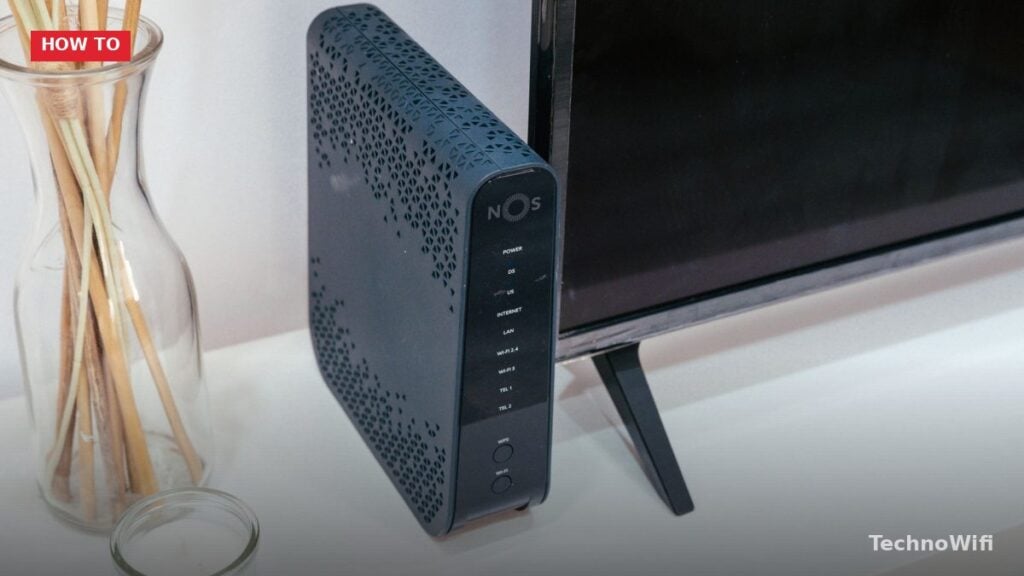
See What’s Connected to Your Router
Before removing anything, check which devices are actually on your network.
- Log in to your router’s admin page (type 192.168.1.1 or 192.168.0.1 in a browser).
- Enter your admin username and password.
- Look for “Connected Devices,” “Client List,” “Attached Devices,” or “DHCP Client List.”
- The list shows every device connected to your WiFi, including the device name, IP address, and MAC address.
Some devices show up with unhelpful names like “Unknown” or a string of numbers. You can usually identify them by checking the MAC address against your devices, or by disconnecting devices one at a time to see which one disappears from the list.
Block a Device Through MAC Filtering
MAC filtering lets you block specific devices by their unique hardware address.
For browsing history, see our WiFi router history checker guide.
- In your router’s admin page, find “MAC Filtering,” “Access Control,” or “Wireless MAC Filter.”
- Enable MAC filtering.
- Choose “Deny” or “Blacklist” mode (this blocks listed devices while allowing everything else).
- Add the MAC address of the device you want to block.
- Save the settings.
The blocked device immediately loses WiFi access and can’t reconnect, even with the correct password. You can find the MAC address of any connected device in the “Connected Devices” list from the previous step.
Block Devices by Brand
| Router Brand | Where to Find Device Blocking |
|---|---|
| Netgear | Advanced, then Security, then Access Control |
| TP-Link | Advanced, then Security, then Access Control |
| ASUS | Wireless, then Wireless MAC Filter |
| Linksys | Connectivity, then Local Network, then DHCP Reservations (or use app) |
| Xfinity | Xfinity app, then WiFi, then Connected Devices, then pause/block |
| Spectrum | My Spectrum app, then Devices |
ISP-provided routers (Xfinity, Spectrum, AT&T) often make it easier to manage devices through their apps rather than the web admin page. The apps usually have a simple “pause” or “block” button next to each device.
Change Your WiFi Password
The most effective way to remove all unwanted devices at once is to change your WiFi password. Every device gets disconnected and only the ones you give the new password to can reconnect.
- Log in to your router’s admin page.
- Go to “Wireless Settings” or “WiFi Settings.”
- Change the password for both the 2.4GHz and 5GHz networks.
- Save and apply the changes.
- Reconnect your own devices with the new password.
This is the nuclear option but it works perfectly when you suspect someone unauthorized is using your WiFi. After changing the password, you’ll need to update it on every device you own – phones, laptops, smart TVs, smart home devices, printers, and anything else connected.
Use Your Router’s App
Most modern routers have companion apps that make device management much easier than the web interface.
For more on this, take a look at our WiFi router for gaming guide.
Netgear (Nighthawk/Orbi app): Tap the device, then tap “Pause” to temporarily disconnect it or “Block” to permanently deny access.
TP-Link (Tether app): Tap “Clients,” select the device, and tap “Block.”
ASUS (ASUS Router app): Tap “Devices,” select the device, and block it.
Google Wifi/Nest (Google Home app): Tap “WiFi,” then “Devices,” select the device, and tap “Pause.”
The app approach is faster and easier to use on the go. You don’t need to remember the router’s IP address or admin password since the app handles authentication.
Kick a Device Without Blocking It
If you just want a device to reconnect (refresh its connection) without permanently blocking it:
- In the router’s connected devices list, some routers have a “Disconnect” option. Use it.
- Alternatively, disable and re-enable your WiFi network (this disconnects all devices briefly).
- Restart the router – all devices disconnect and must reconnect.
These methods are temporary. The device reconnects automatically if it has the saved WiFi password. To permanently prevent a device from connecting, use MAC filtering or change the WiFi password.
Set Up a Guest Network
Instead of sharing your main WiFi password with visitors and then having to remove their devices later, use a guest network from the start.
On a similar note, our WiFi router for large home article has more practical tips.
- In your router settings, look for “Guest Network” or “Guest WiFi.”
- Enable it and set a separate password.
- Give visitors the guest network password.
- Change the guest password periodically, or disable the guest network when visitors leave.
Guest networks keep visitors’ devices separate from your main network. They can use the internet but can’t access your computers, printers, smart home devices, or shared files. Most routers let you set bandwidth limits on the guest network too.
Troubleshooting
Blocked device is still connected. Some routers require a reboot for MAC filter changes to take effect. Restart the router after adding a device to the blocklist. Also verify that you copied the correct MAC address – one wrong character blocks the wrong device (or nothing at all).
I can’t identify unknown devices. Check the MAC address prefix against an online OUI lookup tool – the first six characters identify the manufacturer (e.g., “AA:BB:CC” might show as “Samsung”). You can also try disconnecting your known devices one at a time to narrow down which unknown entry belongs to which device. Smart home devices, streaming sticks, and game consoles often show up with generic or unfamiliar names.
Device keeps reconnecting after being kicked. The device has your WiFi password saved. Kicking it only works temporarily. Use MAC filtering to permanently block it, or change the WiFi password so the saved password no longer works.
MAC filtering isn’t available on my router. Some ISP-provided routers don’t expose MAC filtering. Check the ISP’s app instead – Xfinity, Spectrum, and AT&T apps usually have device management options. If neither works, changing the WiFi password is your best option.
Can someone bypass MAC filtering?
Technically, yes. MAC addresses can be spoofed (changed in software). But this requires technical knowledge that most casual freeloaders don’t have. For home networks, MAC filtering combined with a strong WiFi password provides solid protection. If you’re concerned about more sophisticated unauthorized access, use WPA3 encryption if your router supports it.
Will removing a device delete its data?
No. Blocking or removing a device from your WiFi doesn’t affect the device itself. It simply loses internet access through your router. All files, apps, and settings on the device remain untouched. The device can still connect to other WiFi networks or use cellular data.
How do I know if someone is stealing my WiFi?
Check your router’s connected devices list and count the entries against your known devices. If the number doesn’t match, someone else may be connected. Signs include unexpectedly slow internet speeds, devices you don’t recognize in the list, and high bandwidth usage when your own devices are idle. Most router apps show real-time bandwidth usage per device, making it easy to spot unusual activity.
Sources
Getting the most out of your WiFi also depends on your internet plan. Check which providers and speeds are available at your address.
For clearing history, check our delete router history guide.
Still confused about the difference? Our modem vs router explainer breaks it down in plain language.
Netgear – Manage Access Control | TP-Link – Block Devices on TP-Link Router
How we verify what we publishLast checked October 10, 2026Report an error