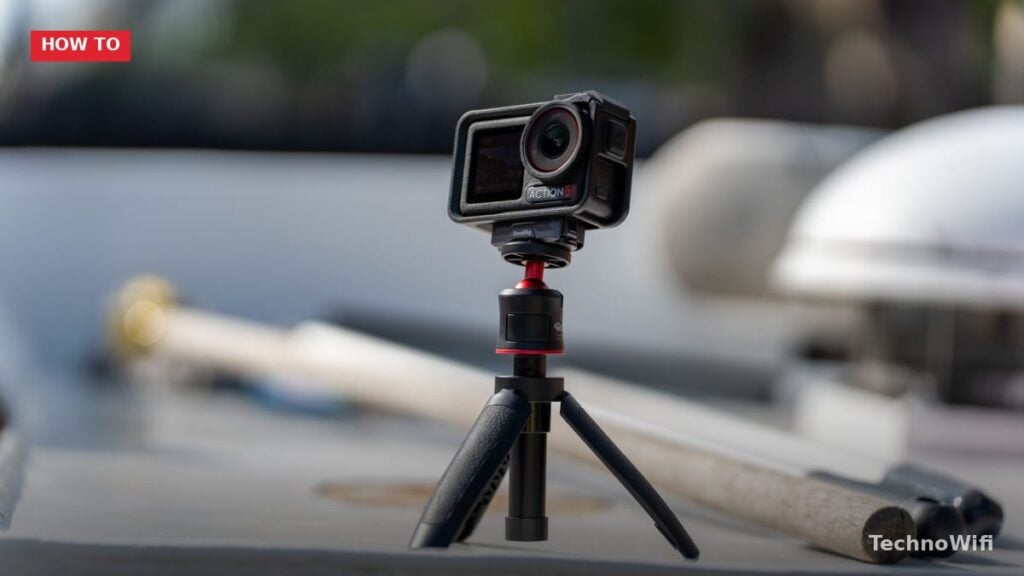
How Does a GoPro Work: A Quick Breakdown
Thinking about picking up a GoPro? Knowing what’s going on under the hood can really help you get better results with your action shots and videos. These cameras are known for sharp video quality in a body that’s barely bigger than a matchbox, which makes them perfect for mounting just about anywhere.
There’s a reason action sports shooters love these things. They’re tough, versatile, and surprisingly capable for their size. Even in 2026, the basic technology inside a GoPro follows the same principles that made these cameras popular in the first place. Understanding those principles gives you a real advantage when setting up your shots.
What’s Inside a GoPro Action Camera
The whole GoPro story started with CEO Nick Woodman wanting a small, portable camera he could take surfing. That simple idea turned into one of the most popular camera brands on the planet, especially with athletes and outdoor enthusiasts.
On a similar note, our GoPro faq article has more practical tips.
So what actually goes into one? A GoPro packs an image sensor, an ultra-wide-angle lens, an image processor, and microphones for audio, all into a small, waterproof, and seriously durable package. Operation is simple too, with just a few buttons handling most of the controls. Models like the Hero5, Hero6, and Hero7 even added a quality touchscreen for easier navigation.
The Image Sensor
The image sensor is the heart of any digital camera, and GoPro is no exception. It converts light into electrical signals that become your photo or video file. GoPro uses CMOS sensors, which are the same type found in smartphones and most modern cameras.
What makes the GoPro sensor special is its size relative to the camera body. Engineers pack a surprisingly capable sensor into a space smaller than a postage stamp. Newer models use larger and more advanced sensors that capture more light, which translates directly to better image quality, especially in dim conditions.
The sensor resolution has climbed over the years. Early GoPros topped out at 1080p, while current models shoot 5.3K video with enough detail to crop and reframe shots in post-production without losing sharpness.
Image and Video Capturing Capabilities
That wide-angle lens is a big part of what makes a GoPro so useful. Mount it on a car dashboard or strap it to a helmet, and it’ll capture a huge field of view without missing anything on the edges. The Hero6 Black, for example, shoots 4K video at 60 frames per second and 1080p Full HD at 240fps for buttery slow-motion clips.
On the photo side, features like Wide Dynamic Range (WDR) and RAW file capture help you pull off shots that look way better than you’d expect from such a tiny camera. The built-in image processor handles quality improvements and stabilization, keeping everything smooth and sharp in a device smaller than a doughnut.
GoPro’s HyperSmooth stabilization, introduced in the Hero 7 Black, changed the game for handheld action footage. Earlier models relied on basic electronic image stabilization, which cropped into the frame and produced mediocre results. HyperSmooth uses predictive algorithms and a wider sensor readout to deliver gimbal-like smoothness without any external hardware.
The Waterproof Design
Waterproofing is one of the defining features of a GoPro. Most current models are waterproof to at least 33 feet (10 meters) without any additional housing. That means you can take them snorkeling, use them in the rain, or drop them in a puddle without worrying about damage.
For deeper dives, GoPro sells a protective housing that extends the depth rating to 196 feet (60 meters). The housing adds a layer of polycarbonate around the camera and seals all the ports and buttons with rubber gaskets.
This waterproof design also makes the cameras dustproof and resistant to mud, sand, and snow. It’s one of the main reasons GoPro cameras last so long in the field compared to regular cameras that would die after a single splash.
Using the GoPro App
GoPro’s companion app (available on Android and iOS) adds a whole extra layer of control. You can operate the camera remotely from your phone and even live stream directly to social media platforms.
We walk through 8K cameras step by step in a separate post.
There’s also the Quik app, which lets you edit and share photos and videos quickly without needing a computer. It’s not just the camera hardware that makes GoPro stand out. It’s how well the hardware and software work together in such a compact package.
The app also lets you update your camera’s firmware, which is important for getting bug fixes and new features. GoPro regularly pushes updates that improve stabilization, add new shooting modes, and fix performance issues. Keeping your camera updated through the app takes just a few minutes and can make a noticeable difference in how the camera performs.
Easy Usage and Handling
GoPro’s mounting system pretty much set the standard for action cameras. The kit comes with screws, tools, and accessories that let you attach the camera to helmets, bikes, surfboards, and just about any other surface you can think of. That kind of flexibility is exactly why GoPro stays at the top of the action camera world.
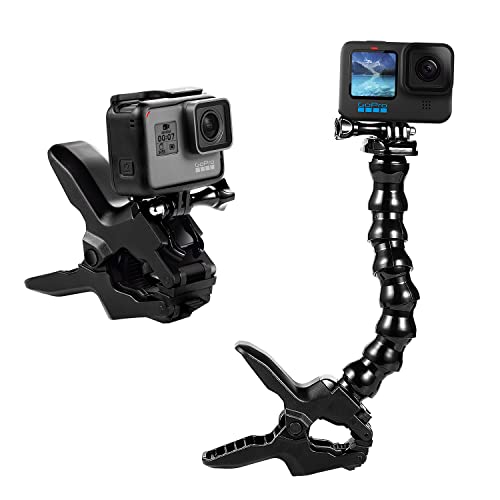
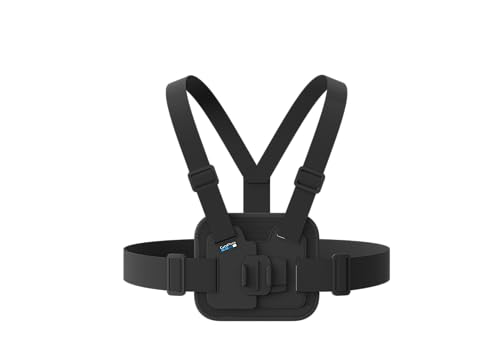
Beyond the official mounts, there’s a massive third-party accessory market. You can find chest rigs, wrist straps, head mounts, jaw clamps, magnetic mounts, and even dog mount kits that let your pet film their own adventures. The standard GoPro mounting finger system is universal across models, so accessories you buy for one GoPro will work with future models too.
Voice Control
Starting with the Hero 5, GoPro added voice control. You can say commands like “GoPro, start recording” or “GoPro, take a photo” to control the camera hands-free. This is incredibly useful when the camera is mounted out of reach or when your hands are occupied with an activity.
Voice control works in several languages and can be toggled on or off in the settings menu. It’s not perfect in noisy environments like wind or water, but in most conditions, it responds accurately and quickly.
Final Thoughts on How Does a GoPro Work
Once you understand what’s happening inside a GoPro, it’s easy to see why these cameras are the go-to pick for action and sports photography. If you’re shopping for an action camera, think about what you’ll actually be shooting and pick the model that fits your style.
We’ll keep covering new GoPro releases and other camera gear, so check back for updates.