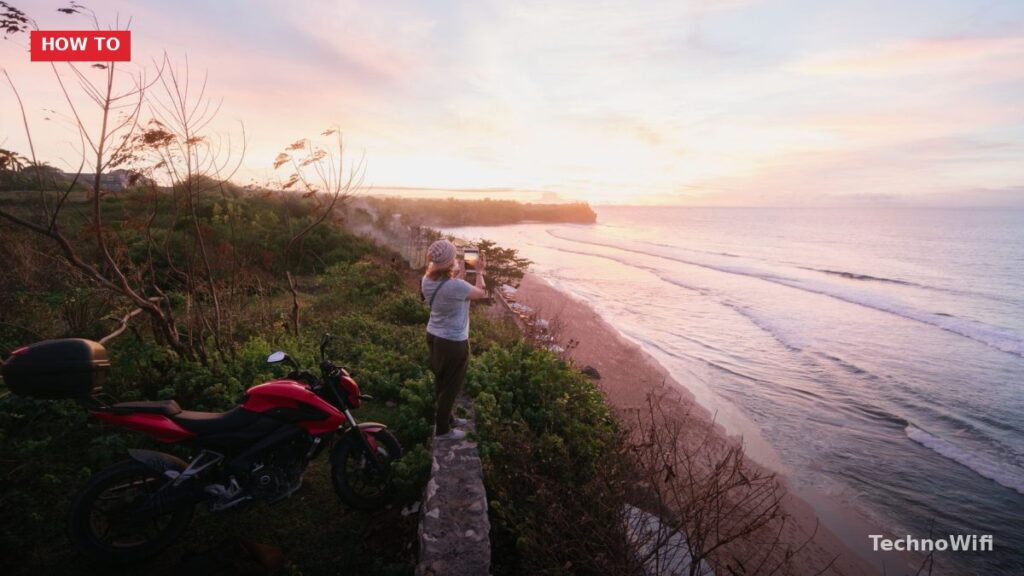
How to Start Motovlogging
Thinking about learning how to start motovlogging? You are not alone. In 2026, more riders than ever are strapping cameras to their helmets and sharing their adventures online. Motovlogging combines motorcycle touring with video blogging, giving riders a way to broadcast scenic routes, trail rides, and road stories to viewers around the world through YouTube, Instagram, and Facebook.
The appeal goes beyond just recording rides. A good motovlog can double as a resource for other riders, covering topics like gear reviews, route suggestions, and maintenance walkthroughs. If you have been thinking about starting your own channel, here are five steps to get you rolling.
5 Steps to Start Motovlogging
1. Define Your Audience
Before you hit record, figure out who you want to talk to. Are you making content for new riders learning the basics? Touring enthusiasts searching for route ideas? Off-road fans looking for trail footage?
Knowing your audience from the start will guide every decision you make, from the topics you cover to the tone of your commentary. A channel aimed at weekend riders looking for quick local loops will feel very different from one targeting cross-country adventurers. Pick your niche early and your content will come across as more authentic.
2. Get the Right Gear
You do not need to spend a fortune, but a few basics are non-negotiable:
- Helmet-mounted action camera: Look for HD or 4K resolution with a wide-angle lens. GoPro and DJI remain popular picks, though budget-friendly alternatives have improved a lot in recent years.
- External microphone: Wind noise is the biggest challenge in motovlogging. A mic designed for helmet use will make a huge difference in audio quality.
- Secure mounting system: Your camera needs to stay put at highway speeds. Invest in a mount you can trust.
Run a test ride with your full setup before committing to a real video. Coming home with shaky footage or blown-out audio is a frustrating way to learn those lessons.
3. Plan Your Content Before Riding
Some of the best motovlogs feel spontaneous, but most of them started with a plan. Before each ride, decide what the video will be about. Maybe it is a route review, a gear comparison, a riding tip, or just a casual chat on the road.
Open each video with a quick intro so viewers know what they are getting into. After that, let the ride do the talking. Show the scenery, share your thoughts, and keep things conversational. Do not stress about perfection early on. Every upload teaches you something new.
4. Learn to Edit Your Videos
Raw footage from a helmet cam rarely tells a tight story by itself. Even simple editing can turn a rambling clip into something people actually want to watch. Trim the dead spots, add background music where it fits, and tighten the overall runtime.
Free editing software like DaVinci Resolve or CapCut will cover most of what you need as a beginner. As your skills grow, you can explore paid tools with more features. The most important habit is editing every video before you post it, even if you are just cutting the intro and outro.
5. Take Feedback Seriously
Your viewers will tell you what works and what does not, sometimes directly, sometimes through watch-time stats and engagement numbers. Pay attention to both. A comment suggesting a new topic or pointing out an audio issue is worth more than you might think.
Connecting with other motovloggers is another smart move. Online forums, Discord servers, and social media groups are full of people who have already solved the problems you are running into. The motovlogging community tends to be friendly toward newcomers, so do not hesitate to reach out.
Get Started Today
Starting a motovlog does not require a massive budget or professional filming experience. With a decent camera, a microphone that handles wind noise, and a willingness to improve with every video, you can begin sharing your rides with the world. The sooner you start, the sooner you will find your groove.
See Also