Government and ISP Assistance Programs
Several programs provide free or heavily discounted internet to qualifying households.
Lifeline: A federal program that offers a $9.25/month discount on internet service for low-income households. You qualify if your income is at or below 135% of the federal poverty guidelines, or if you participate in programs like SNAP, Medicaid, SSI, or Federal Public Housing Assistance. Apply at lifelinesupport.org or through your ISP.
ISP low-income programs: Many providers offer their own affordable plans beyond federal programs. Comcast Internet Essentials provides internet at around $9.95/month for qualifying households. AT&T Access, Spectrum Internet Assist, and Cox Connect2Compete offer similar low-cost options. Check with your local ISP for current offers.
School and library programs: Some school districts provide mobile hotspot devices to students’ families at no cost. Public libraries also lend hotspot devices you can take home for weeks at a time. Ask your local library about their lending program.
Use Your Phone as a WiFi Hotspot
If you already have a phone plan with data, you can share that connection with your laptop and other devices.
- On iPhone: go to Settings, then Personal Hotspot, and toggle “Allow Others to Join.”
- On Android: go to Settings, then Network & Internet, then Hotspot & Tethering, and turn on WiFi Hotspot.
- Connect your laptop or tablet to the hotspot network using the password shown on your phone.
Most phone plans include some hotspot data, though the amount varies. Some unlimited plans include 5 to 15 GB of hotspot data before speeds are throttled. Check your plan details. For basic tasks like email, browsing, and video calls, a phone hotspot works well. Streaming HD video eats through data quickly though.
Find Free Public WiFi
Many businesses and public spaces offer free WiFi that you can use without paying anything.
| Location | Notes |
|---|---|
| Public libraries | Free, reliable, often fast. Some libraries broadcast WiFi into the parking lot. |
| Coffee shops (Starbucks, Dunkin’) | Free with no purchase required at most locations. |
| McDonald’s, Burger King | Free WiFi at most locations. |
| Shopping malls | Free WiFi available in common areas. |
| Hotel lobbies | Often open networks, especially in lobbies. |
| Community centers | Free WiFi at many municipal buildings. |
| Parks and public spaces | Many cities offer free WiFi in parks and downtown areas. |
Public WiFi is fine for general browsing and email, but avoid accessing banking, entering passwords, or making purchases on open networks. Use a VPN if you need to handle sensitive information on public WiFi.
Our guide on WiFi router for gaming goes into more detail if you need it.
Municipal and City-Wide Free WiFi
Some cities provide free WiFi across large areas. New York City’s LinkNYC offers free gigabit WiFi from kiosks throughout Manhattan, Brooklyn, Queens, and the Bronx. Los Angeles, San Francisco, Boston, and other major cities have similar programs covering downtown areas, parks, and public transit.
Search “[your city] free WiFi” to find out if your municipality offers public internet access. Many programs expanded during 2020-2021 and remain active. Coverage areas vary – some cover only downtown, while others extend into residential neighborhoods.
ISP Free Trial Periods
Some internet providers offer free trial periods for new customers. These typically last 30 to 60 days and give you full-speed internet. After the trial, you can cancel without a fee if you don’t want to continue.
Check with ISPs in your area for current trial offers. Keep track of the cancellation deadline so you’re not charged if you decide not to keep the service. Read the terms carefully – some require a credit card upfront and auto-charge if you don’t cancel in time.
If you have a trusted neighbor who’s willing, you can split the cost of their internet plan. This is legal and straightforward – they share the WiFi password with you, and you contribute to the monthly bill.
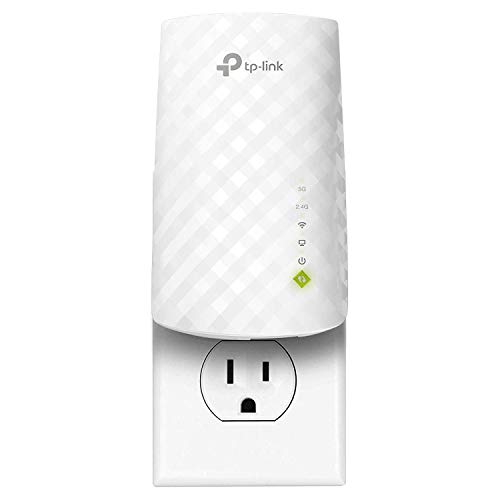
WiFi signals weaken with distance and walls. If your neighbor’s router is far from your home, the signal may be too weak for reliable use. A WiFi extender placed between the router and your home can help bridge the gap. Powerline adapters that send internet through electrical wiring can also work in some situations.
Use Xfinity WiFi Hotspots
Xfinity broadcasts millions of public hotspots from their customers’ gateways (the “xfinitywifi” network). If you’re an Xfinity customer, you can connect to any of these hotspots for free. Even non-customers sometimes get limited free access.
Download the Xfinity WiFi app to find hotspots near you. These work best in suburban and urban areas where Xfinity customers are dense. The speeds won’t match a home connection, but they’re useful in a pinch.
We also wrote a hands-on guide on WiFi router for large home that you might find useful.
Free Internet Through T-Mobile and Other Carriers
T-Mobile’s Project 10Million provides free internet to eligible student households. Other carriers have run similar programs. Check with T-Mobile, AT&T, and Verizon for current offers targeting students, veterans, seniors, or low-income families.
Some carriers also sell prepaid mobile hotspot devices with no contract. While not free, a prepaid hotspot at $25 to $40/month with 30 to 50 GB of data is cheaper than most home internet plans and requires no credit check or installation.
Troubleshooting
Phone hotspot is too slow. Check your cellular signal strength. One or two bars means slow speeds regardless of your data plan. Move to a location with better reception. Close background apps that use data. If your carrier throttles hotspot speeds separately from phone data, there may not be much you can do other than switching plans.
Public WiFi won’t connect. Many public networks require you to accept terms on a login page before you can browse. Open your browser and try visiting any website – the login page should redirect automatically. If it doesn’t, try opening a non-HTTPS site or clear your browser cache. Some networks block VPNs – disconnect your VPN to connect, then reconnect after.
Neighbor’s WiFi signal is too weak. A WiFi range extender placed at the point where the signal starts fading can double the effective range. Position it where you still get at least 2 bars from the original router. For best results, a mesh WiFi system or a dedicated access point provides more reliable coverage than a basic extender.
Is free public WiFi safe?
Free public WiFi carries some risk since the network is open and shared. Don’t access online banking or enter credit card information on public WiFi. Use a VPN (many good options are free or under $5/month) to encrypt your traffic. Make sure websites show “https://” in the address bar before entering any personal information. Turn off file sharing and AirDrop when connected to public networks.
Can I get free home internet permanently?
Programs like Lifeline provide ongoing discounts as long as you qualify. Using your phone as a hotspot is effectively free if you already pay for a data plan. Municipal WiFi programs are free and permanent in supported areas. There’s no single solution that gives everyone truly unlimited free home internet forever, but combining a few of these options can keep your costs very low or zero.
How much data do I need for basic home use?
For email, web browsing, and social media, about 10 to 20 GB per month is enough. Add video streaming and you’ll need 50 to 100 GB or more depending on quality and hours watched. Video calls (Zoom, FaceTime) use about 1 to 1.5 GB per hour. A household that streams regularly needs at least 100 GB/month for comfortable use.
Sources
If your WiFi feels slow even after optimizing, the bottleneck might be your internet plan. See what providers and speed tiers are available in your area.
FCC – Lifeline Program | Comcast – Internet Essentials