When you purchase through links on our site, we may earn an affiliate commission. Here’s how it works.
Flip Screen Camera Definition
If you’re thinking about getting into vlogging or upgrading your photography setup, you’ve probably come across the term “flip screen camera” and wondered what it actually means.
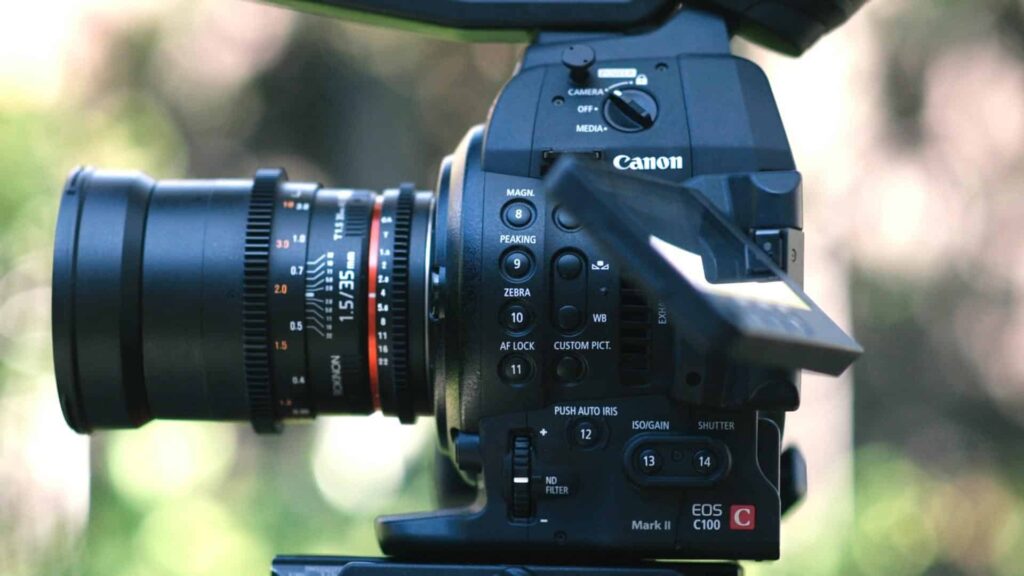
A flip screen camera is a digital camera with an LCD screen that isn’t fixed in place. The screen moves on a hinge or pivot, letting you adjust the viewing angle to fit your needs. In technical terms, it’s called an articulating screen, though you’ll also hear people say flip-out screen, adjustable screen, or hinged screen.
Articulating Screen
Flip screens show up in cameras, camcorders, laptops, tablets, and monitors. But digital cameras are where they really make a difference. Since each camera brand handles the mechanism a bit differently, these screens fall into three main categories.
Tilting Screen
A tilting screen is the most common type. The LCD moves around just one axis, so you can tilt it up or down but not swivel it side to side. It’s the simplest flip screen design and works well for overhead or low-angle shots.
Vari-Angle Screen
A vari-angle screen moves on two axes. You can tilt it and swivel it, which gives you much more flexibility. You’ll also see this called a fully articulating screen, multi-angle screen, or twist-and-tilt screen.
We also cover DSLR cameras for beginners in a separate article worth checking out.
This type is the go-to choice for professional photography, videography, and cinematography. Vari-angle cameras tend to cost a bit more than tilting-only models, but the added flexibility is usually worth the extra money.
Cross-Tilt Screen
A cross-tilt screen tilts both horizontally and vertically. It’s extremely flexible for framing shots. The trade-off is that it typically can’t rotate all the way around for self-portraits. Only a handful of brands manufacture cameras with this type, so your options are limited.
A Brief History of Flip Screen Cameras
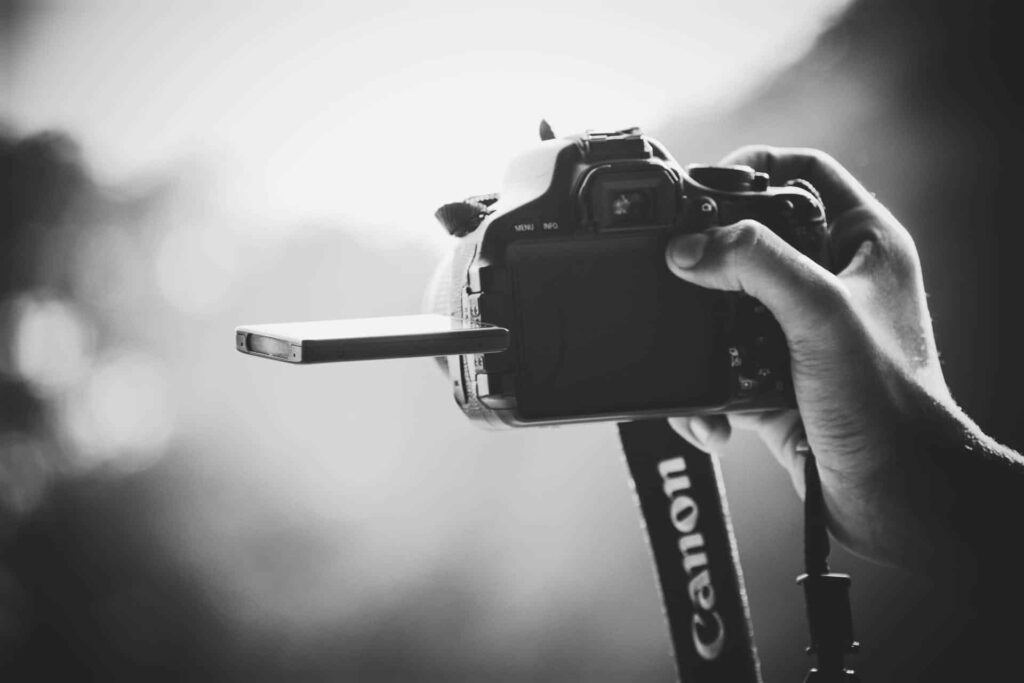
Flip screen digital cameras first appeared in 2003, courtesy of Canon. Since then, nearly every camera manufacturer has adopted the concept. In 2026, articulating screens are a standard feature across most new camera lineups from Canon, Nikon, Sony, Panasonic, Fujifilm, and others.
What is a Flip Screen Camera – History
Why Buy a Flip Screen Camera?
So what makes flip screen cameras so popular? Here are the practical reasons photographers and vloggers pick them over fixed-screen models.

What is a Flip Screen Camera – why should you buy a flip screen camera
More Convenience for Tricky Angles
A flip screen lets you frame shots from angles that would otherwise require contorting your body. Want to shoot from ground level? Tilt the screen up. Holding the camera overhead in a crowd? Tilt it down. No more awkward crouching or guessing at your composition.
Better Selfies and Self-Recording
With a flip screen, you can see yourself while the camera is pointed at you. Check your framing, expression, and lighting before pressing the shutter. It’s basically the DSLR equivalent of your phone’s front-facing camera.
Easier Shooting in Bright Light
LCD screens are hard to see in direct sunlight. A flip screen lets you tilt the display to reduce glare and find a viewing angle that actually works, saving a lot of frustration during outdoor shoots.
Shooting in Tight Spaces
Sometimes there’s not enough room to get behind the camera. A flip screen solves this by letting you angle the display toward you while the camera stays in position. You keep your composition without moving the entire setup.
Shooting from Multiple Angles
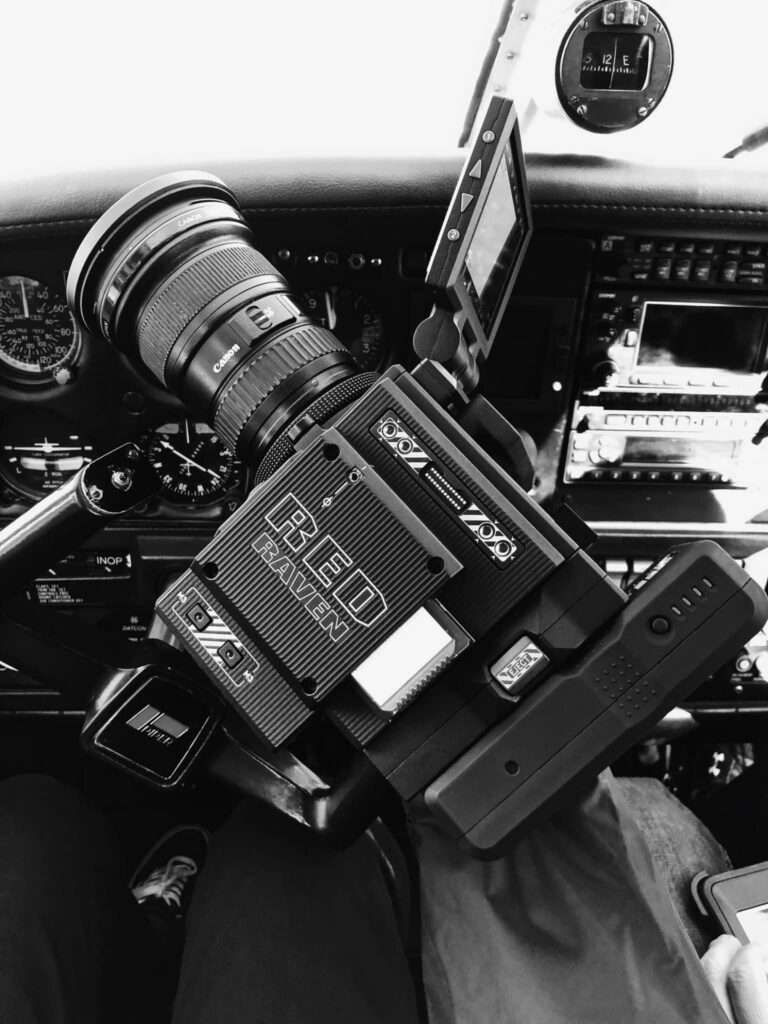
In crowded places, hold the camera above your head and tilt the screen down to see what you’re capturing. For low-angle shots on a tripod, angle the screen upward instead.
If you are still exploring options, our video editing tutorials guide is a solid next read.
Shooting from multiple angles
You can also capture corner shots by extending the camera around obstacles and flipping the screen toward yourself to see the frame.
Real-Time Touchscreen Adjustments
Many modern flip screen cameras have touch-sensitive displays. You can tap to focus, adjust brightness, tweak contrast, and change settings on the fly. The live view feature lets you see exactly what you’ll get before pressing the shutter button.
What to Look for When Buying a Flip Screen Camera
Ready to pick one up? Here are the key factors to consider.
1. Brand
Major manufacturers like Canon, Nikon, Sony, Panasonic, and Fujifilm all make flip screen cameras. Stick with a brand known for good build quality and reliable after-sale support.
2. Type of Flip Screen
Think about how you’ll actually use it. Vloggers generally want a vari-angle screen for maximum flexibility. Photographers who mostly shoot landscapes can get by fine with a tilting screen.
3. Future Needs
Even if you don’t think you need a flip screen right now, consider how your shooting style might change. It’s easier to buy a camera with one built in than to wish you had it later.
4. Connectivity
Check for the ports you’ll need. A microphone jack is a must for vlogging. USB and HDMI ports let you connect to computers and monitors. Wi-Fi and Bluetooth are useful for wireless file transfers.
5. Video Recording Modes
If video is part of your plan, check what resolutions and frame rates the camera supports. Most models in 2026 offer 4K recording, slow motion, and multiple shooting modes.
6. Extra Features
Compare battery life, autofocus performance, image stabilization, and weather sealing across models. These details can make a big difference in everyday shooting.
Final Thoughts
A flip screen camera gives you more flexibility, better self-recording options, and easier shooting in tough conditions. Whether you’re a vlogger, a photographer, or someone who just wants more control over framing, it’s a feature that pays for itself quickly.
Consider your skill level and budget, then pick the flip screen type that fits your needs.