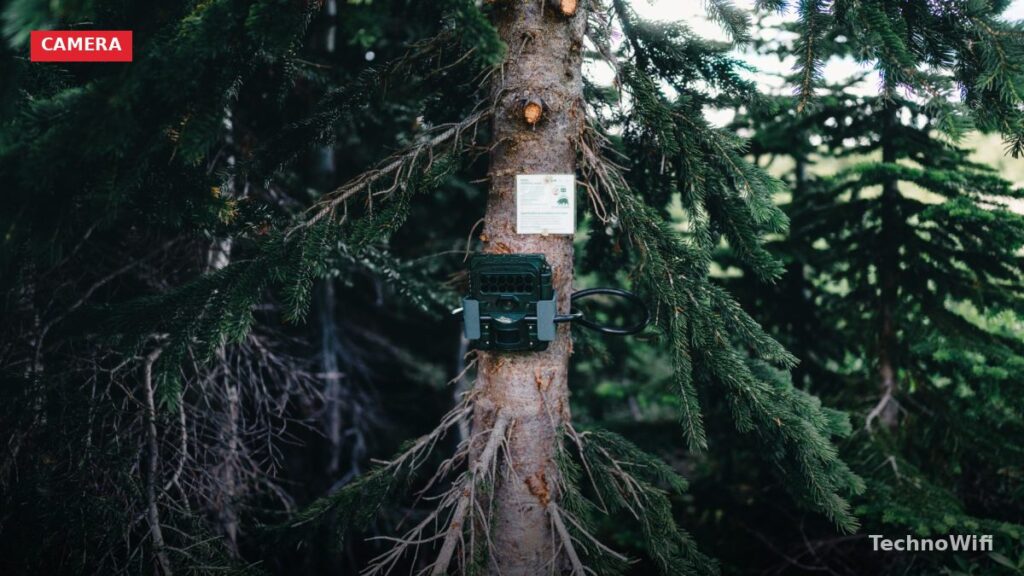
If you have ever wanted a trail camera that sends photos straight to your phone without you trudging through the woods to pull an SD card, cellular trail cameras are the answer. The Spypoint Link-S was one of the earlier models to combine cellular connectivity with solar charging, and it turned a lot of heads when it first launched. But how does it hold up now?
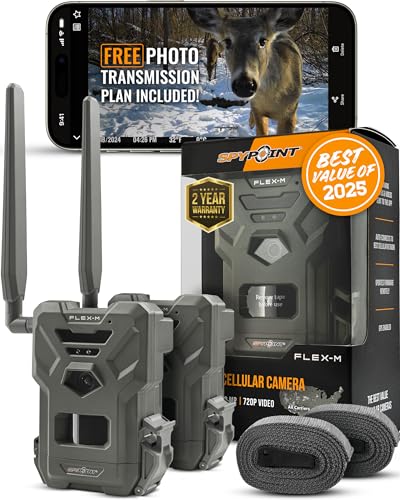
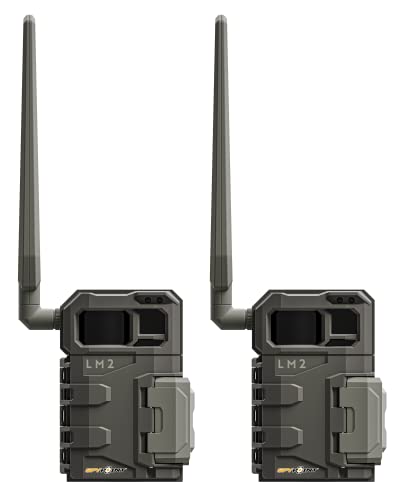
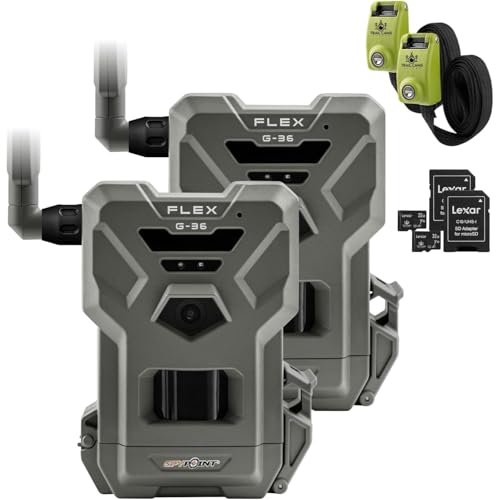
Let me walk you through everything the Link-S offers, where it shines, where it falls short, and whether it still makes sense to buy one in 2026.
What Is the Spypoint Link-S?
The Spypoint Link-S is a cellular trail camera that transmits photos over the Verizon network directly to your smartphone or email. What made it stand out from the crowd was its built-in solar panel, which helps keep the internal batteries topped off so you do not have to swap them out nearly as often as with a standard trail camera.
It was designed for hunters, wildlife watchers, and property owners who want to monitor remote areas without making constant trips to check their cameras. Set it up, point it at a game trail or entry point, and let it do its thing.
Key Specs and Features
Camera Performance
The Link-S captures 12-megapixel still photos, which is solid enough for identifying animals, people, or vehicles at a distance. The images are clear during daytime and the infrared flash provides decent nighttime shots without spooking wildlife with a visible flash.
It also records HD video clips, which can be handy when you want to observe animal behavior rather than just snap a still frame. The trigger speed is rated at 0.07 seconds, which is impressively fast. You will not miss a deer bounding past your camera because the shutter was too slow.
Detection Range
The motion sensor has an 80-foot detection range, which covers a generous area. For most trail setups, whether you are watching a food plot, a creek crossing, or a property boundary, 80 feet gives you plenty of reach.
We break down spy camera for cars in a separate post that complements this one.
HIT Anti-Blur Technology
Spypoint’s HIT (High Intelligent Technology) anti-blur system reduces motion blur on fast-moving subjects. In practice, this helps keep images of running deer or jogging coyotes sharper than what you would get from a basic trail camera without this feature.
Solar Panel and Battery
This is the headline feature. The Link-S has a built-in solar panel on top of the unit that charges the internal battery. You still need 8 AA batteries as the primary power source, but the solar panel supplements them and can significantly extend battery life in locations that get decent sunlight.
How much of a difference does the solar panel make? It depends entirely on placement. If you mount the camera in a sunny clearing or on the south side of a tree, you will get meaningful charging. Deep in the shade of a dense forest canopy, the solar panel is not going to do much. Think of it as a bonus rather than a replacement for batteries.
Cellular Connectivity
The Link-S operates on the Verizon network and sends photos through the Spypoint app and web portal. You need a Spypoint data plan to use the cellular features, and Spypoint offers a free tier that includes a limited number of photo transmissions per month along with paid plans for heavier usage.
One important note for 2026 buyers: make sure you check current Verizon network compatibility in your area. Older cellular trail cameras that relied on 3G networks stopped working when carriers retired those networks. The Link-S was designed for the LTE network, but you should verify it is still fully supported before purchasing.
Setting Up the Link-S
Setup is straightforward. Insert your AA batteries, activate the camera through the Spypoint app, choose your data plan, and mount it. Spypoint includes a mounting strap, and you can also use a standard tripod mount.
The app walks you through the activation process, and once the camera connects to the Verizon network, you will start receiving photos automatically. You can adjust settings like photo resolution, trigger sensitivity, and transmission schedules through the app.
For a different take, see our guide on how to detect spy camera with your phone.
Pros and Cons
What I Like
The solar charging concept is genuinely useful. Even partial sun exposure means fewer battery changes, which matters when your camera is mounted a mile into the woods. The trigger speed is excellent, the detection range is generous, and the Spypoint app makes it easy to check your camera from anywhere.
What Could Be Better
The 12MP resolution is adequate but not impressive by 2026 standards, where many trail cameras offer 24MP or higher. Night image quality is decent but can be grainy at longer distances. The reliance on the Verizon network means you are out of luck if you do not have Verizon coverage at your camera location.
The biggest consideration is that the Link-S is an older model. Spypoint has released several newer cameras since the Link-S, and those newer models offer improved image quality, dual-network support, and better app integration.
Is the Spypoint Link-S Still Worth Buying in 2026?
Honestly, it depends on the price. If you can find a Link-S at a significant discount compared to newer Spypoint models, it still does the basic job of sending trail photos to your phone. The solar charging feature remains a practical advantage that not every trail camera offers.
However, if you are buying new, I would steer you toward the current Spypoint lineup. The Spypoint Flex and Spypoint Flex-S offer better image quality, more reliable connectivity, and improved solar charging. Spypoint also launched cameras with dual SIM support, meaning they can connect to whatever network has the strongest signal at your location rather than being locked to Verizon.
For budget-conscious buyers who find a used or discounted Link-S, it is still a capable camera. Just confirm that the cellular service is active and compatible before you commit.
Who Should Consider a Cellular Trail Camera?
Cellular trail cameras like the Link-S are ideal for anyone who wants real-time monitoring without frequent site visits. Hunters use them to pattern deer movement without contaminating their hunting area with human scent. Property owners use them as remote security cameras for cabins, gates, and outbuildings. Wildlife enthusiasts use them to observe animals without disturbing them.
If you just want a basic trail camera and do not need photos sent to your phone, a non-cellular camera will save you money on both the camera and the monthly data plan. But once you go cellular, it is hard to go back to pulling SD cards.
Final Verdict
The Spypoint Link-S was ahead of its time when it launched, combining cellular photo transmission with solar charging in a single package. In 2026, it is showing its age in image quality and connectivity, but the core concept remains sound. If you want the latest and greatest, look at the current Spypoint lineup. If you are picking up a Link-S on clearance or secondhand, it can still be a reliable workhorse for basic trail monitoring.