Canon 5D Mark IV vs Sony A7III: Which Camera Should You Pick?
The Canon 5D Mark IV and Sony A7III represent two different approaches to full-frame photography: a high-end DSLR vs. a mirrorless camera. Both have earned their reputations, and both still see plenty of professional use as of August 2026. But they’re not the same camera, and the differences matter depending on how you shoot.
The Sony A7III came out in February 2018, roughly a year and a half after the Canon 5D Mark IV launched in August 2016. Despite the small age gap, the A7III brought some meaningful upgrades in sensor technology and connectivity that are worth considering.
Let’s compare them across the categories that actually matter.
Design and Build
The Sony A7III measures 3.9 x 5.0 x 2.5 inches and weighs 1.4 lbs. For a full-frame camera, that’s impressively compact. The grip is larger than earlier A7 models, and most people find it comfortable for extended shooting sessions.
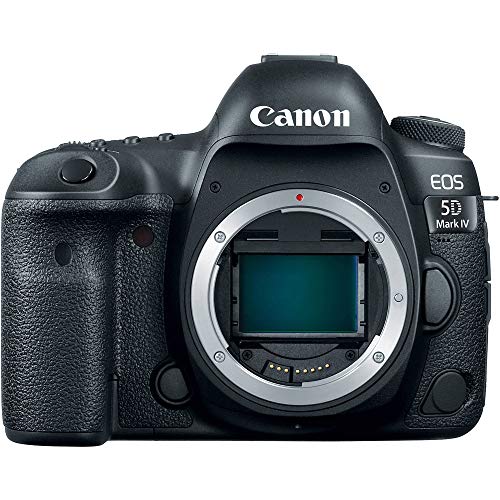
The Canon 5D Mark IV borrows its design from the 5D Mark III, coming in at 4.6 x 5.9 x 3.0 inches and about 1.8 pounds. It’s a noticeably bigger camera, which some photographers actually prefer for the extra grip space and physical controls.
Both cameras feature weather-sealed construction with dust and moisture resistance. If you shoot outdoors in unpredictable conditions, either one can handle it.
Sensor and Resolution
Both cameras have full-frame sensors, though they’re not identical.
The Canon 5D Mark IV has a 30.1 MP sensor. That higher pixel count gives you more flexibility when cropping images and produces larger prints. At best quality, you’re looking at prints up to roughly 33.6 x 22.4 inches.
The Sony A7III has a 24.2 MP sensor with a sensor area about 2% smaller than the Canon’s. While the resolution is lower on paper, 24 MP is still plenty for most professional work. The Sony’s newer sensor design gives it some advantages in dynamic range and high ISO performance that partly offset the resolution gap.
ISO Sensitivity
The Canon 5D Mark IV offers a native ISO range of 100 to 32,000, expandable from 50 to 102,400.
The Sony A7III pushes further with a native range of ISO 100 to 51,200, expandable from 50 to 204,800. In practice, this means the Sony holds onto usable image quality at higher ISO settings, giving it a real edge for low-light and indoor shooting.
Viewfinder
Both cameras offer 100% field-of-view coverage, so what you see is what you capture.
The Canon 5D Mark IV uses an optical viewfinder (pentaprism). It shows you the scene directly through the lens with no lag and no processing. Some photographers still prefer this natural, unprocessed view.
The Sony A7III uses an electronic viewfinder (EVF) with higher magnification than the Canon’s optical finder. The EVF shows a live preview of your exposure, white balance, and other settings before you press the shutter. It’s a different experience, and many photographers have come to prefer the real-time feedback it provides.
Features and Storage
Both cameras include built-in intervalometers for time-lapse sequences, which is great for shooting things like sunsets, blooming flowers, or cityscapes over time.
The Canon 5D Mark IV writes data to CompactFlash or SD cards. The Sony A7III uses dual SD card slots (one also accepts Memory Stick Pro Duo). Both support dual card slots, giving you a safety net if one card fails during a shoot.
Connectivity
The Canon 5D Mark IV includes Wi-Fi, NFC, a microphone port, a headphone port, and a PC sync socket. That sync socket is a big deal for studio photographers who trigger external lighting directly from the camera body. The built-in microphone is mono.
The Sony A7III comes with Wi-Fi, NFC, and adds Bluetooth on top. It has both microphone and headphone ports, plus stereo capability for its internal audio setup. Bluetooth is useful for low-power connection to your phone for geotagging and basic remote control.
Which Camera Is the Better Pick?
Both cameras are proven performers, and you can do excellent professional work with either one.
The Canon 5D Mark IV makes more sense if you’re already invested in Canon glass, prefer an optical viewfinder, or need a PC sync socket for studio lighting. Its higher resolution sensor also helps if you crop heavily.
The Sony A7III is the stronger pick if you want better high ISO performance, a smaller and lighter body, Bluetooth connectivity, and real-time exposure preview through the EVF. It also tends to be priced lower than the Canon.
Think about which features line up with the kind of photography you actually do, then weigh that against your existing lens collection and budget.
See Also