Windows 11 Features
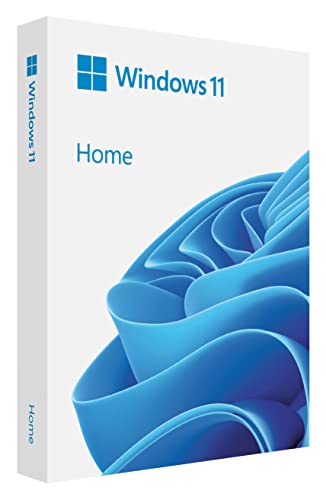
After six years of Windows 10, Microsoft officially announced Windows 11. The original Windows 10 launch happened back in July 2015, and with roughly 1.3 billion devices running it at the time of the announcement, it was clear that any successor would be a big deal. Microsoft positioned Windows 11 as the “next generation” of the operating system, with a major visual overhaul and a bunch of new features aimed at making the daily experience smoother.
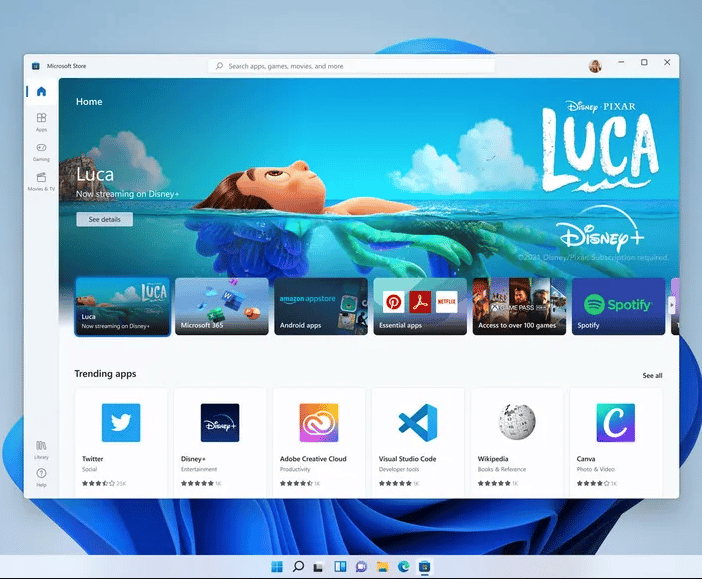
During Microsoft’s virtual event, chief product officer Panos Panay walked through what’s new. The focus this time around was on simplifying the interface, improving productivity, and opening up the Windows app store to natively run Android apps.
The overall look is noticeably different. Everything feels lighter and more transparent, with a glassy design language that’s a clear departure from the flat style of Windows 10. The taskbar is now centered by default, which gives the whole desktop a cleaner, more modern feel. And there are new window management controls built in for anyone who juggles multiple windows throughout the day.
Windows 11 Features Breakdown
Centered Start Menu and Taskbar
The Start Menu got a complete redesign in Windows 11. It’s now centered on the taskbar (though you can move it back to the left if you prefer). You get a list of your most recent apps, which you can rearrange however you like. Below that, Windows shows cloud-powered recommendations for files and apps it thinks you’ll need next. For example, if you were listening to something on Spotify on your phone, it might suggest Spotify on your PC.
Snap Layouts for Window Management
Windows 11 introduced snap layouts, a feature that appears when you hover over the Maximize button on any window. You’ll see a set of layout presets that let you quickly organize multiple windows side by side. It’s really handy if you’re the type of person who always has several apps open at once, and it makes splitting your screen much faster than dragging windows around manually.
External Monitor Improvements
This one is a quality-of-life fix that laptop users will appreciate. In older versions of Windows, disconnecting an external monitor would dump all your open windows onto the laptop screen in a messy pile. Windows 11 is smarter about this. When you unplug an external monitor, it minimizes those windows in the taskbar. Plug the monitor back in, and your windows reappear right where they were.
Widgets Panel
Windows 11 added a widgets panel that you can swipe open from the left side of the screen. It shows things like weather, news, social media updates, and calendar events. The widget feed is personalized using AI, so it should get more relevant the longer you use it.
Android Apps on Windows
Probably the biggest headline from the Windows 11 launch was the ability to run Android apps natively. But there’s a catch. Microsoft didn’t partner with Google for this. Instead, they teamed up with Amazon. So when you search for an Android app in the Microsoft Store, you’re actually downloading it through the Amazon Appstore.
What does that mean in practice? You won’t have access to the full Google Play Store library. Some popular apps and games might not be available on the Amazon Appstore. Microsoft hasn’t provided much detail on exactly how many apps would be supported at launch, so the selection may be limited compared to what Android phone users are used to.
How to Get Windows 11
Microsoft released Windows 11 as a free upgrade for existing Windows 10 users. The minimum requirements include 64 GB of storage and 4 GB of RAM.
You can check if your PC is eligible by going to the Windows Update section in Settings.
Using Dual Monitor with Windows 10