Wyze Lock Google Assistant Integration
Smart home security has come a long way, and Wyze Lock has been one of the more popular options for people who want an affordable smart lock. The big news? Wyze Lock finally picked up Google Assistant support through a recent firmware and app update.
The official patch notes from Wyze confirmed the addition of Google’s voice assistant, which had been missing from the lock since launch.
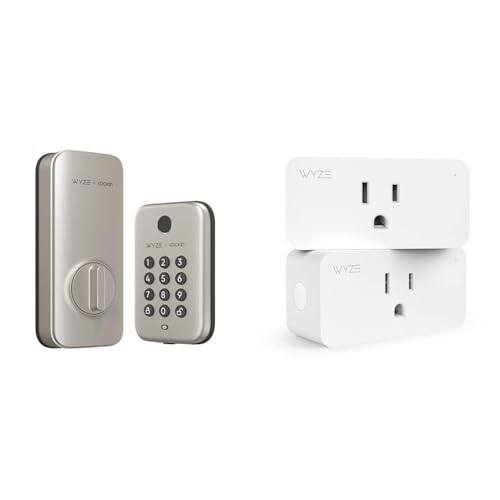
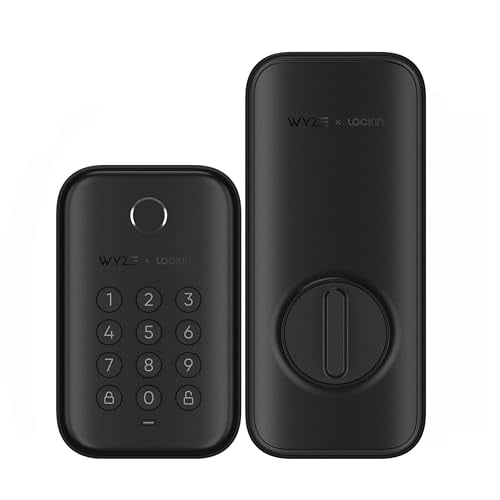
Wyze Lock Smart LockFor a while, the Wyze Lock only worked with Amazon Alexa. Other smart locks on the market already had Google Assistant baked in, so this was a gap Wyze users noticed. With this update, you can now control the Wyze Lock with voice commands through Google Assistant. That means locking and unlocking your front door just by speaking to your Google Home speaker or your Android phone.
Since Google Assistant comes pre-installed on Android devices and works across smart speakers, displays, and phones, this opens up a lot of flexibility. Wyze first launched the lock back in 2019, and the company had promised Google Assistant support alongside virtual wireless keyboard support. It took a few months after that announcement, but the feature is now live.
The update specifically landed in the Wyze Android app, which now lets you link the lock to Google Home. If you’ve got a Google Home smart hub or a Nest speaker set up at home, you can use voice commands to lock or unlock any door where a Wyze Lock is installed.
How to Enable Google Assistant on the Wyze App
- Start by setting up your Wyze device in the Wyze app. Follow the user manual to get your lock configured and connected on your Android device.
- Make sure both your Wyze device firmware and the Wyze app are up to date. You can check for firmware updates by going to Account and then Firmware Upgrade in the app.
- Head to the Play Store and download the Google Home app if you don’t already have it. Set it up according to your device’s requirements.
- Open the Google Home app on your Android device.
- Tap the Add button in the top right corner.
- Tap Set up device to add your Wyze Lock and connect it to Google Assistant.
- Choose the Works with Google option on the next screen.
- Find Wyze in the list and select Wyze Lock. You’ll need to log in with your Wyze account credentials to link the device to Google Home.
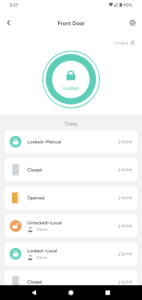
Note: Once you’re logged in to your Wyze account, Google Assistant automatically detects your available devices. Just pick the one you want and add it to Google Home.
One thing to keep in mind before setting this up: to unlock or lock the door through Google Assistant, you have to say your PIN out loud. That’s a bit of a security trade-off, since anyone within earshot could hear it. It works well enough for locking the door, but you might want to think twice about using voice unlock if other people are around.
What Else Changed in the Wyze App Update?
The Wyze app serves as a control center for all Wyze products, and this update brought more than just Google Assistant for the lock. It also added a Vacation Mode for the Wyze Bulb and no-go zone rotation for the Wyze Robot Vacuum.
Bottom Line
Most Wyze products listed in the app now support Google Assistant after this update. To get started, just update the Wyze app from the Google Play Store, then follow the steps above to connect your Wyze Lock to Google Home.
Source:
https://www.slashgear.com/wyze-lock-google-home-integration-is-now-rolling-out-16678671/
Related News
Apple Announces New Privacy Measures