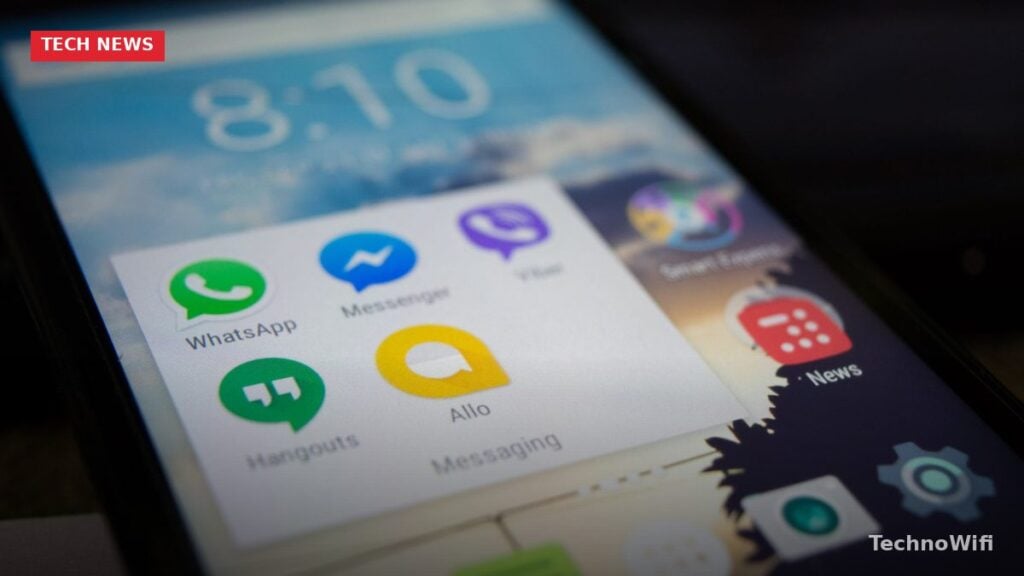
WhatsApp, the world’s most popular messaging app, rolled out a feature that lets users send messages without a phone. That’s right. You can now send messages on WhatsApp without your phone being connected.
WhatsApp is available on Android and iOS devices, as well as on Windows and Mac through WhatsApp Web. Previously, users could only operate one account linked to their phone number, and the phone had to be online for the web version to work.
The multi-device feature lets WhatsApp Web users send messages even when their phone’s battery is dead. Before this update, WhatsApp Web wouldn’t work if your phone wasn’t connected to the internet.

This same feature also lets users run WhatsApp on up to four different devices at once. You can use it on PCs, tablets, and smartphones simultaneously.
Like previous features, WhatsApp rolled this out to a small group of users first as a beta version. The development team gathered feedback from beta testers to refine the feature and make improvements before the wider launch.
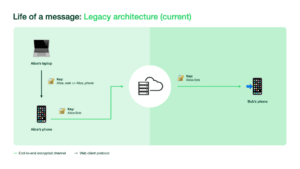
The updated version of WhatsApp keeps end-to-end encryption fully active. That means there are no concerns about data leaks. Several other messaging apps already offered multi-device support, and WhatsApp brought the same capability to its users globally.
Send Messages Without a Phone
Many users got frustrated when they couldn’t send messages from the web without their phone. Sometimes the phone battery dies or internet connectivity drops. Users and testers had been requesting this feature for a long time, and it finally became a reality.
A Facebook engineer took to Twitter to announce the development. As per his tweet, “You Will Be Able to Send Messages on WhatsApp Without a Phone.” The official tweet is linked here:
https://twitter.com/wcathcart/status/1415386855793520640
Before the update, WhatsApp used the smartphone as its primary device. You had to keep your phone online to send messages from the web. The web app had several drawbacks reported by regular users. The multi-device version made the web experience much more stable.
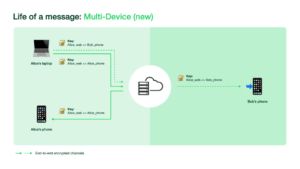
WhatsApp Multi-Device Architecture
The older version of WhatsApp only worked with one companion app at a time. If you tried connecting your already-linked WhatsApp to a new device, it would disconnect from the previous one automatically. The company recognized this limitation and built a solution.
“The new WhatsApp multi-device architecture removes these hurdles, no longer requiring a smartphone to be the source of truth, while still keeping user data securely synchronized and private,” the company said.
The updated version gives each device its own identity. Users can connect multiple devices under the same phone number and send messages from any of them. WhatsApp syncs the data across all connected devices.
WhatsApp doesn’t need to store chat history and user data on their servers. Users store data on their individual devices based on their own preferences.
Security specialist Jake Moore from ESET noted that regardless of what security measures are in place, having messages on multiple devices can create potential risks. Feedback from beta testers helped identify and address many of these concerns.
The multi-device feature does open up some risks. Bad actors could try to create multiple endpoints to access private communications. Security awareness is more important than ever.
Users should stay cautious. There’s always some level of risk when you’re connected to the web. Social engineering keeps evolving, and so do its misuses. Keep an eye on the devices connected to your phone number and stay alert.
Source:
https://www.bbc.com/news/technology-57849883
See Also
Asus Launches ZENWIFI ET8 Router