How iOS 15 Made Face ID Harder to Spoof
Apple’s Face ID has been the gold standard for biometric security on mobile devices since it debuted with the iPhone X in 2017. But like any security system, it has had its vulnerabilities. With the release of iOS 15 and iPadOS 15, Apple took a significant step forward by improving Face ID’s anti-spoofing technology, making it much tougher for anyone to trick the system.
What Changed with the iOS 15 Update?
Security researchers discovered that the iOS 15 and iPadOS 15 updates included an upgraded anti-spoofing model for Face ID. In previous versions, there was a known vulnerability where a carefully constructed 3D model of a person’s face could potentially fool the TrueDepth camera system into granting access. Apple acknowledged this issue and addressed it directly in the iOS 15 release.

The TrueDepth sensor, which powers Face ID, uses the front-facing camera to build a 3D map of the enrolled user’s face. Under normal circumstances, only the real, registered face can unlock the device. But the flaw that existed before iOS 15 meant that a sufficiently accurate 3D replica could sometimes bypass this check. The updated model strengthened the system’s ability to distinguish a living face from a manufactured copy.
A Brief History of Face ID
Apple first introduced Face ID alongside the iPhone X back in 2017. It replaced Touch ID (the fingerprint scanner) as the primary authentication method on the company’s flagship phones. While older iPhone models kept Touch ID, every new premium iPhone from the X onward shipped with Face ID as the default security feature.
The technology was groundbreaking at the time. It used infrared sensors and dot projection to map a user’s face in three dimensions, making it far more secure than the flat, photo-based facial recognition found on many Android phones. Over the years, Apple refined Face ID to work with masks, glasses, and different lighting conditions, but the core technology stayed the same until iOS 15 brought the anti-spoofing improvements.
We break down how to screen mirror iPhone to TV in a separate post that complements this one.
What Apple Said in Their Official Document
Apple released a security document that described the issue and the fix in clear terms. The official statement read:
“Impact: A 3D model constructed to look like the enrolled user may be able to authenticate via Face ID
Description: This issue was addressed by improving Face ID anti-spoofing models.”
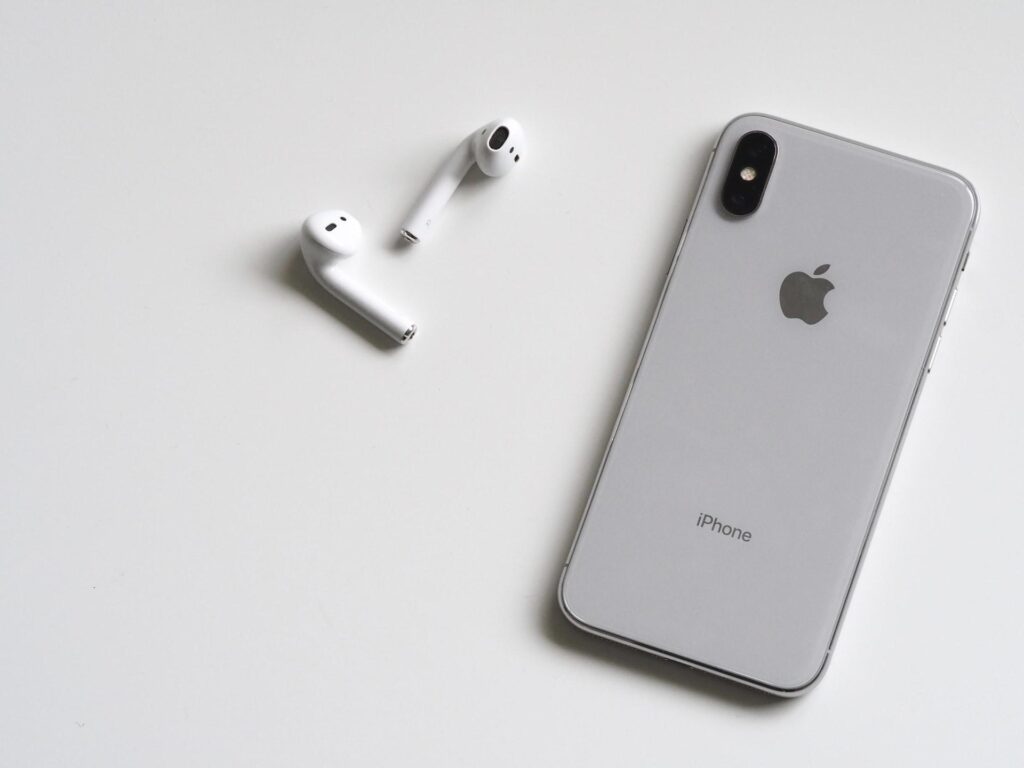
For users who rely on Face ID for online transactions, app logins, and device security, this fix was meaningful. The ability to spoof Face ID with a 3D model, while unlikely in everyday scenarios, represented a real risk for high-profile targets. Closing that gap was an important security measure.
Which Devices Got the Fix?
Apple confirmed that the Face ID security improvement shipped with iOS 15 and iPadOS 15 for the following devices:
For a different take, see our guide on 32gb MacBook Pro.
- iPhone X Series
- iPhone XS, iPhone XS Max, and the entire XS lineup
- iPhone 11 Series
- iPhone 12 Series
- iPad Pro 11-inch
- iPad Pro (3rd Generation)
Any of these devices running iOS 15 or iPadOS 15 (or later) received the upgraded anti-spoofing model automatically. The iPhone 13 series, which launched around the same time as iOS 15, shipped with the fix already in place.
The Broader Impact on Mobile Security
Apple was not the only company dealing with facial recognition weaknesses. After Face ID launched in 2017, many Android manufacturers introduced their own face unlock features. However, most Android implementations relied on 2D camera data rather than 3D depth mapping, which made them even more vulnerable to spoofing. Some Android phones could be unlocked simply by holding up a photo of the owner.

Apple’s decision to address the 3D spoofing issue set a higher bar for the industry. As biometric security continues to evolve, both Apple and Android manufacturers keep refining their systems to stay ahead of potential attacks.
Other Fixes in iOS 15
The Face ID improvement was just one of many security patches included in iOS 15. Apple’s documentation listed fixes across multiple system components, including CoreML, Neural Engine, Kernel, Accessory Manager, ImageIO, and WebKit. Each of these patches addressed vulnerabilities reported by security researchers and testers from around the world.
Keeping your device updated remains the single most effective thing you can do to protect your personal data. Each iOS update includes security patches that address newly discovered vulnerabilities, and skipping updates leaves your device exposed to known risks.
![Cabepow 15 ft Extra Long iPhone Charger Cord,[Apple MFi Certified] Long iPhone USB A to Lightning Cable,2.4A iPhone Fast Charging Cord for iPhone 14 13 12 11 Pro Max/Pro/Plus/X/XS/XR/XS Max/8/7](https://www.technowifi.com/wp-content/uploads/2026/08/cabepow-15-ft-extra-long-iphone-charger-cordapple-mfi-certified-long-iphone-usb.jpg)