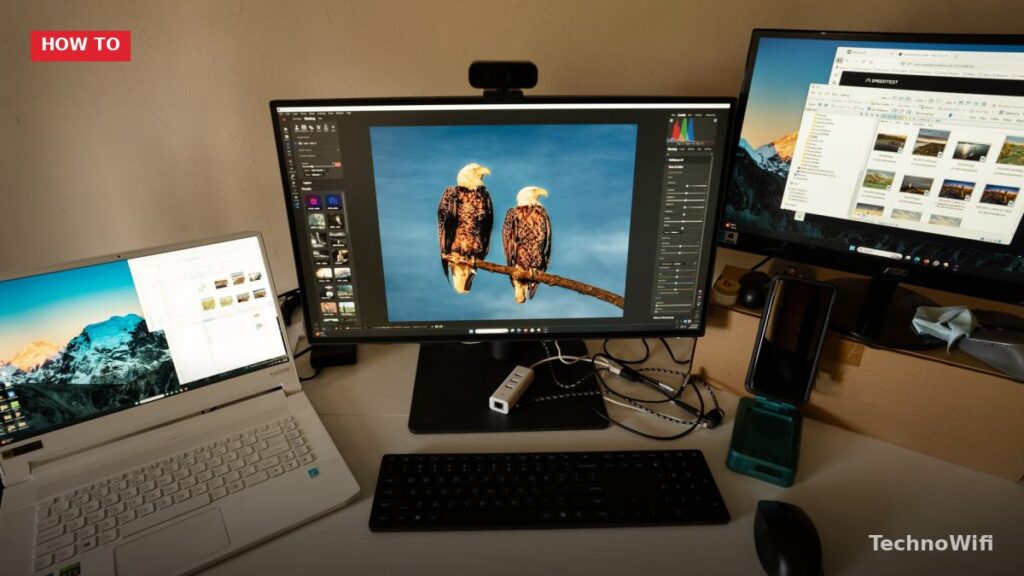
Startech Docking Stations Dual Monitor Setup – Getting Started
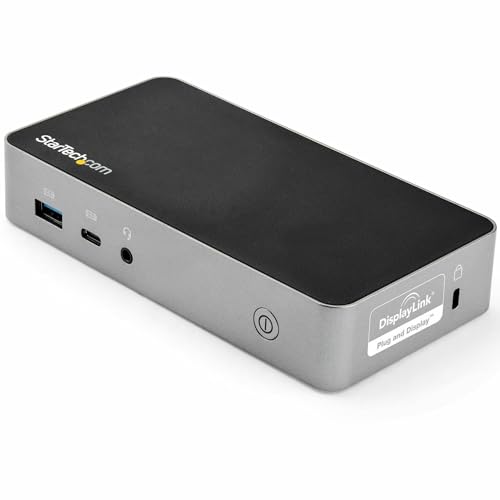
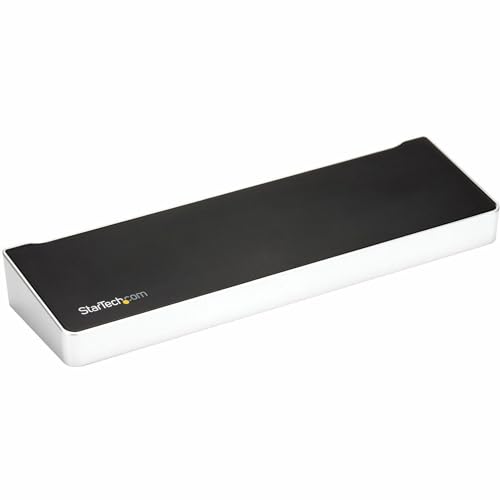
Startech docking stations are a reliable way to run a dual monitor setup and keep all your peripherals connected through one hub. The USB 3.1 Gen 1 Type-C docking interface handles everything through a single connection point.
The USB-c dock supports dual monitor connections without any fuss. You can connect 2x HDMI or 2x DVI displays, with each one supporting resolutions up to 1920×1200.
Standard refresh rates sit at 60Hz, though the exact rate depends on your specific monitors and what they support. You also have the option of connecting 1x HDMI and 1x DVI display if that combo works better for your setup.
Our article on Lenovo ThinkPad dual monitor setup covers related ground and is worth a look.
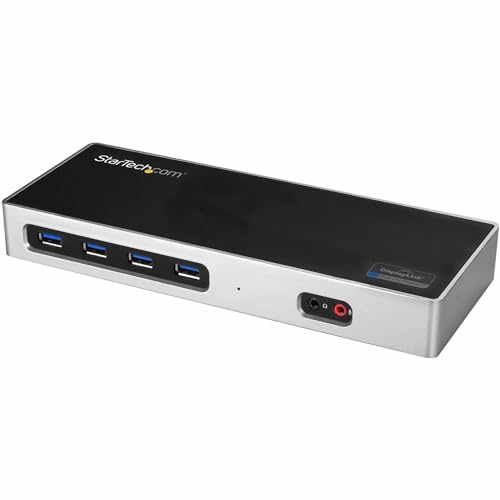
You get a full USB 3.0 configuration with solid network bandwidth for connecting additional devices and faster data transfer speeds.
Plugging in USB 3.0 peripherals also opens up Gigabit Ethernet networking.
On top of that, the USB Type-C connection supports the USB 3 port, gigabit Ethernet port, audio output, and microphone connections all at once.
Prerequisites for Startech Docking Stations Dual Monitor Setup
Before you start, make sure your device drivers, firmware, and operating system are all compatible with the docking station. Keep in mind that video output quality depends on your video card and the hardware specs of the connected laptop.
We put together a full guide on Dell thunderbolt dock wd19tb that pairs well with this.
Not every USB-C port supports the full range of USB Type-C features. Double-check that your computer’s USB-C port supports alt mode and USB power delivery so you get full functionality out of your dock.
Recommended Steps for Startech Docking Stations Dual Monitor Setup
Step 1. Getting Started with the Docking Station
- Use the USB 3.0 port to connect your devices. You can set up the connection with either a Mac or Windows laptop using several dual monitor configuration options.
- This docking station includes 5 USB 3.0 ports with fast charging and plenty of device connectivity. Depending on what inputs your monitors have, you can connect dual displays using HDMI + DVI-D or HDMI + VGA. Follow these setup steps in order, and note that the dock can stand vertically to save desk space.
- Next, add your wired network and audio devices. Use the built-in Gigabit Ethernet RJ45 port (compatible with 10/100/1000 Mbps) and connect speakers or a headset through the separate 3.5mm audio and microphone jacks.
Step 2. Establishing a Connection with the Monitors
- To get Windows to recognize your second monitor, open the power user menu by pressing Win+X.
- Click on the Start menu, select Settings, then navigate to the Display section.
- From the Display section, choose the option to detect and register the second monitor.
- Shuffle the monitors around to see which arrangement works best for you. Use the monitor diagrams to visualize the layout.
- To arrange them the way you want, select a monitor and drag it into position relative to the other one.
Step 3. Adjusting the Second Monitor’s Display Settings
- In the display settings from the previous step, scroll down until you reach the Multiple Displays section.
- Click the drop-down list to see your display options. You’ll see choices like “Duplicate these displays,” “Extend these displays,” “Show only on 1,” and “Show only on 2.” Pick the one that fits your workflow.
- A prompt will appear asking if you want to keep the changes. Confirm to lock in your monitor layout, or revert back to how it was before.
Your dual-monitor setup with the Startech docking station is now complete. Test it out by checking various settings and display options.
If something isn’t working right, check your wiring and cable connections first. That’s usually where the issue is.
The Bottom Line
A dual monitor setup with a Startech docking station makes multitasking a breeze. No more jumping back and forth between windows on a single screen.
If you decide to add a third monitor later, you’ll need to adjust the video and display settings for the entire setup.