How to Work with Canon EOS 90D Landscape Settings
Landscape photography remains one of the most popular genres among photographers. It’s approachable enough for beginners to pick up, yet deep enough to keep experienced shooters challenged.
We’re surrounded by stunning landscapes, big and small, so there’s never a shortage of inspiration. But inspiration alone won’t cut it. You need to know a few techniques to capture the perfect Canon 90D landscape settings shot. Here’s what you should do:
Recommended Settings for Canon EOS 90D Landscape Photography
Step 1. Master the white balance
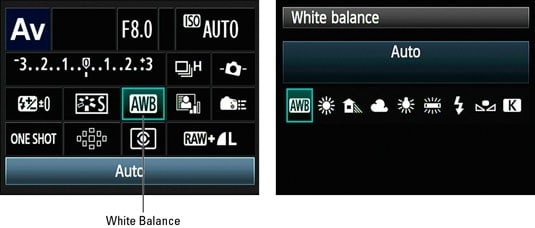
Getting the white balance right is the foundation of any beautiful landscape photo. You’ll find several white balance options on your Canon EOS 90D flip screen camera.
Things can get a bit tricky here, though. Auto white balance works well in most situations.
To use auto white balance, fill your frame with the grey or white side and take a shot with the flash turned on. Then go to the Menu option, find Custom White Balance, click on it, and select the image you want to use as reference.
If you’re shooting a sunrise or sunset, you’ll need to adjust the white balance to match those specific light conditions.
The key is to choose the white balance setting that matches your light source for the ideal Canon EOS 90D landscape photograph. You can also set it manually while shooting any subject.
Step 2. Overcome the dynamic range
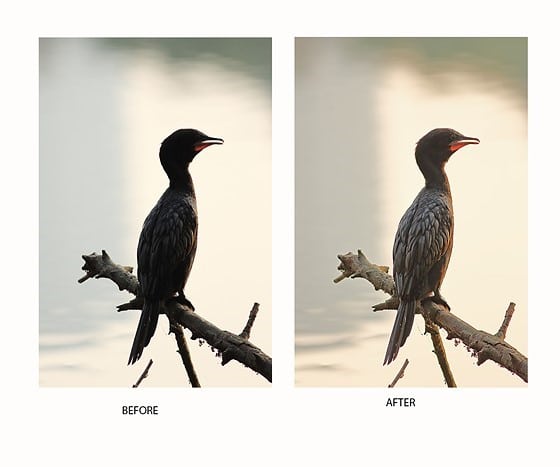
Dynamic range is the range of light values in the scene you’re photographing. When the sky is overly bright and the foreground is too dark, you’ve got a problem on your hands.
This can cause issues with brightness and contrast. Luckily, there are a few straightforward ways to tackle this and get the perfect Canon EOS 90D landscape shot.
One effective method is to use a reverse graduated neutral density filter to even out the dynamic range. The filter’s strongest light-blocking effect sits in the middle, right at the horizon.
You can also take a meter reading from the brightest area of the frame and then shoot in RAW to preserve maximum detail.
Step 3. Camera settings for landscape photography
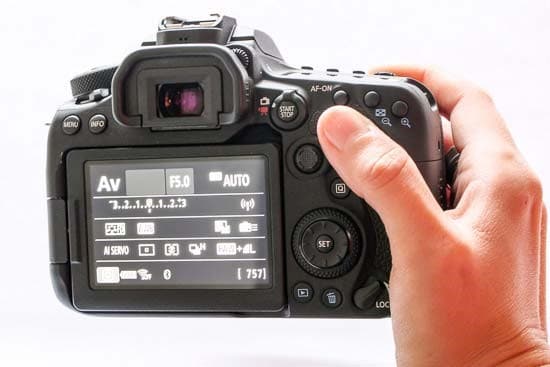
There are specific camera settings you’ll want to adjust for the perfect Canon EOS 90D landscape photograph.
Set the exposure mode to manual. Use single shot for the drive mode. Keep the aperture at f/16, and set the ISO to 100 or 50 for the cleanest possible image.
Step 4. Get the depth of field right with the right lenses
One of the biggest factors that can make or break your Canon EOS 90D landscape photographs is the depth of field you’re working with.
You need to adjust the depth according to the area you want in focus. For landscape photography, a deep depth of field is typically ideal.
This is where a wide-angle lens for landscape photography really shines. A wide-angle lens has a smaller aperture and helps you place the focus point roughly one-third into the image for maximum sharpness throughout the scene.
Step 5. Using aperture priority mode
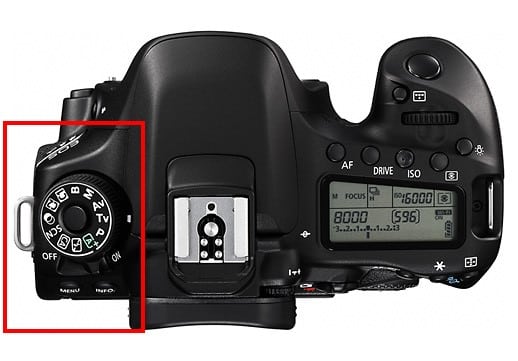
To get sharp landscape shots, you’ll want to increase the depth of field. One of the best ways to do this is by using Aperture Priority mode (AV).
This mode lets you control the aperture while the Canon EOS 90D automatically selects the best shutter speed to match. It also helps you achieve good exposure without manual adjustments.
To switch to AV mode, look for the f-stop selector on your Canon EOS 90D and set it accordingly.
Step 6. Getting the right shutter speed
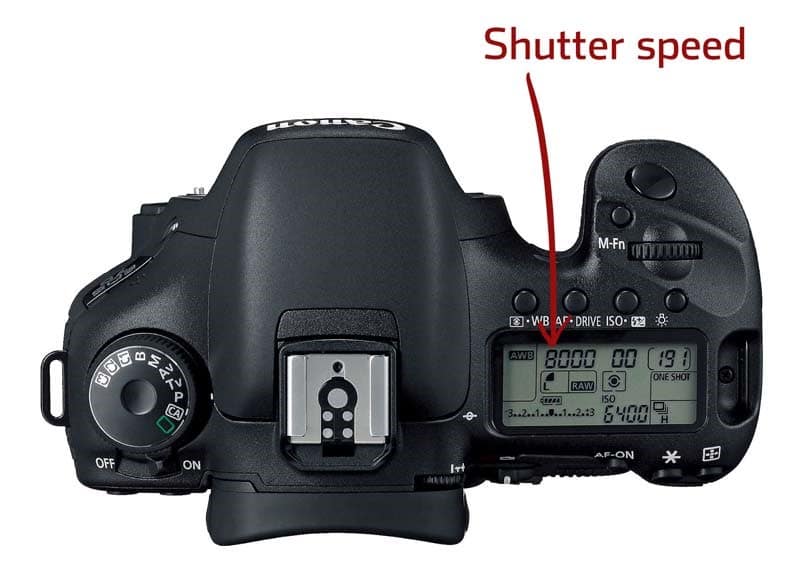
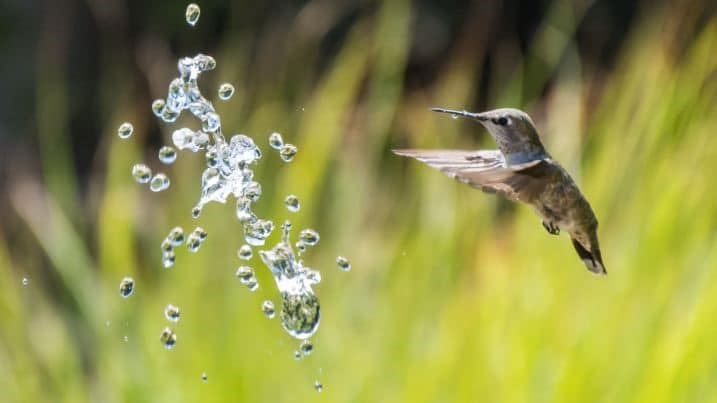
Whether you’re capturing water droplets from a fountain or birds flying across the sky, there are times when you need to freeze motion in your landscape photos.
Shutter speed is the most important setting when you want to capture movement. Setting it to 1/1000 can produce a stunning landscape motion shot with your Canon EOS 90D.
Now that you know the key settings, go ahead and start shooting amazing Canon EOS 90D landscape photographs. It’s simpler than you might think, and with a bit of practice, you’ll see a real improvement in your results. Don’t forget to shoot in RAW format so you have more flexibility when editing your landscape photos later.