How to Use Nikon 3400: Before You Start
The Nikon D3400 is loaded with features that make it one of the best entry-level DSLRs you can buy. Knowing how to use Nikon 3400 properly will help you take full advantage of everything this camera has to offer.
It features a 24.2 MP CMOS sensor paired with a TFT LCD screen that has a wide viewing angle. If you are buying your first DSLR, the D3400 is a strong choice in its price range and remains popular with beginners in 2026.
That said, before you start shooting, it pays to learn about its settings, controls, and exposure modes. Let’s walk through the essentials.
Getting Started with the Nikon 3400
The first step with any new camera is charging the battery. Place it in the provided slot and let it charge fully before you begin exploring the camera’s features and settings.
On the front of the Nikon D3400, you will find the zoom button, remote control sensor, playback button, live view switch, command dial, AE Lock/AF Lock/Protect button, delete button, information edit button, release mode button, help button, and the LED touchscreen.
The top plate holds the speaker, focal plane indicator, hot shoe flash mount, movie record button, shutter button, mode dial, and exposure compensation button.
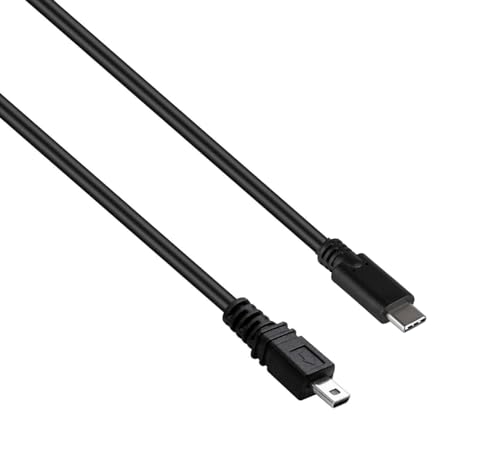
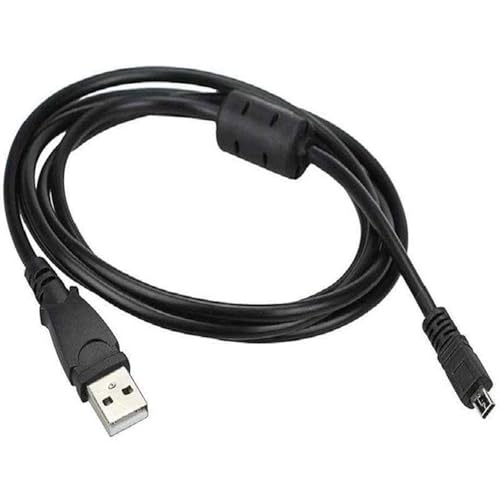
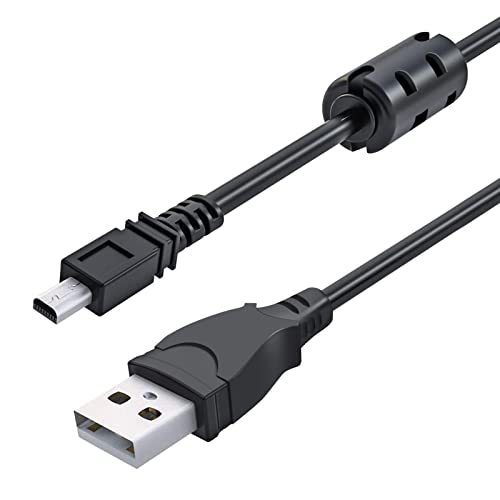
On the side, you will see the mic jack, HDMI port, USB/AV port, and accessory port.
Exposure Modes on the Nikon D3400
Understanding the exposure modes is key to getting good results from this camera. Here is what each one does and when to use it.
Auto mode: The camera picks the best settings based on the subject and surroundings. This is great for everyday shooting, though it may struggle in very low light.
Auto-flash off: Works the same as Auto mode, but the flash stays off. Like regular Auto, this mode is not ideal for dimly lit scenes.
Portrait: The camera automatically reads the subject and background to produce a clean portrait shot. This mode works well for still subjects but may not perform at its best in extremely bright or dark conditions.
Landscape: This mode keeps both distant and nearby subjects in focus. It is perfect for capturing nature scenes, cityscapes, and wide views. If lighting becomes an issue, you can tweak the exposure settings manually.
Child: Designed for photographing children, this mode adjusts focus to keep up with movement while balancing the subject against the background.
Sports: Built for fast action, this mode increases the shutter speed to freeze movement and reduce blur. Use it for any situation where your subject is moving quickly.
Close up: Produces a soft, smooth focus that is ideal for shooting nearby subjects like flowers, animals, plants, or detailed textures. Keep an eye on the depth of field and aperture value, because the results can shift depending on distance and lighting.
Night portrait: Best for shooting in dark or low-light settings. The flash switches to slow sync mode and the shutter speed drops, which creates softer lighting with brighter backgrounds.
Guide: This mode walks you through the camera’s settings step by step. It covers shooting instructions, video recording tips, and camera setup details. Think of it as a built-in tutorial that is helpful when you are still learning the ropes.
Advanced Exposure Modes on the Nikon D3400
Beyond the basic modes listed above, the D3400 also offers advanced exposure controls for photographers who want more precision over their shots.
Programmed auto-exposure: The camera selects both the f-stop and shutter speed to produce the best exposure for the scene.
Aperture priority auto-exposure: You choose the f-stop and the camera picks the matching shutter speed. This gives you control over depth of field while the camera handles the rest.
Shutter priority auto-exposure: You set the shutter speed and the camera selects the appropriate f-stop. This is useful for controlling motion blur or freezing action.
Manual exposure: You control both shutter speed and f-stop yourself. This mode gives you complete creative freedom over every aspect of the exposure.
Wrapping Up: How to Use Nikon D3400
The Nikon D3400 is a solid DSLR that handles everything from casual snapshots to more thoughtful photography projects. Spending time with these exposure modes and controls will help you get the most out of this camera. Take it out, shoot in different modes, and you will quickly build confidence behind the lens.