How to Use Nikon Coolpix P530
The Nikon Coolpix P530 is a superzoom bridge camera that packs a 42x optical zoom lens into a body that looks and handles like a small DSLR. The lens covers 24mm wide-angle to 1000mm super-telephoto (35mm equivalent), giving you a reach that would require thousands of dollars worth of interchangeable lenses on a DSLR. Add a 16.1-megapixel CMOS sensor, full PASM exposure control, 1080p video, and built-in VR stabilization, and you’ve got a capable all-in-one camera.
This guide covers setup, shooting modes, zoom techniques, and the settings that make the biggest difference in your photos.
Getting Started
Battery and Memory Card
The P530 uses four AA batteries. Alkaline batteries work out of the box, but rechargeable NiMH batteries (like Eneloop) last longer and save money over time. Lithium AAs are another good option, especially in cold weather. A fresh set of alkaline batteries gives you about 200 shots, while NiMH rechargeables can push that to 350 or more.
Insert an SD, SDHC, or SDXC memory card into the slot next to the battery compartment. A 16 GB Class 10 card is plenty for a full day of shooting.
First Power-On
Turn on the camera and it walks you through the language, time zone, and date/time setup. Set these accurately so your photos have correct timestamps for organizing and sorting later.
Shooting Modes
The mode dial on top of the camera gives you full control over how the P530 handles exposure.
Automatic Modes
Auto Mode: The camera picks all settings for you. Point, frame, and shoot. This works well for everyday snapshots where you don’t want to think about settings.
Scene Auto Selector: The camera detects the type of scene (portrait, landscape, night, macro, etc.) and applies the right preset automatically. It’s surprisingly accurate and a good default for casual shooting.
Scene Modes
The P530 offers a wide selection of scene modes: Portrait, Landscape, Sports, Night Portrait, Party/Indoor, Beach/Snow, Sunset, Night Landscape, Close-up, Food, Museum, Fireworks, Backlighting, Easy Panorama, and Pet Portrait. Each one tweaks exposure, color balance, shutter speed, and focus behavior for the named situation.
PASM Modes
P (Program Auto): The camera sets aperture and shutter speed. You can shift the combination with the command dial and control ISO, white balance, and other settings. A good starting point for learning exposure.
A (Aperture Priority): You set the aperture, the camera picks shutter speed. The P530’s aperture range is more limited than an interchangeable-lens camera (f/3 at wide, f/5.9 at full zoom), but adjusting within that range still affects depth of field and exposure.
S (Shutter Priority): You pick the shutter speed, the camera handles aperture. Use faster speeds (1/500+) to freeze action and slower speeds (1/30 or below) for motion blur effects.
M (Manual): Full control over aperture and shutter speed. The exposure indicator on screen shows whether your shot is over or underexposed. This is the mode to learn if you want full creative control.
Using the 42x Zoom
The P530’s zoom range is its defining feature. At 24mm, the lens captures wide scenes with plenty of context. At 1000mm, it pulls in subjects that are barely visible to the naked eye.
Use the zoom lever around the shutter button to move between wide and telephoto. The zoom is smooth and variable speed, so a light touch gives slow, precise zooming while a firm push zooms quickly.
Stabilization
The built-in Vibration Reduction (VR) system compensates for camera shake, which is critical at long zoom settings. Even with VR active, at 1000mm equivalent you’ll get sharper results by bracing the camera on a solid surface or using a tripod. Handholding at full zoom works in bright light, but in dim conditions the slower shutter speeds will show shake.
Keeping Track of Your Subject
At long zoom settings, it’s easy to lose your subject because the field of view is extremely narrow. The P530 doesn’t have a dedicated snapback zoom button like some newer Coolpix models, but you can quickly zoom out with the zoom lever, reacquire your subject, then zoom back in. Practice this technique and it becomes second nature.
Autofocus
The P530 uses contrast-detection autofocus. Half-press the shutter button and the camera locks focus. A green indicator confirms the lock. At close range, the camera can focus as near as about 1 cm in macro mode, which is excellent for flowers, insects, and small objects.
AF mode options include Single AF (locks once on half-press), Full-time AF (continuously adjusts), and Manual Focus. For most shooting, Single AF gives the best results because it locks cleanly and lets you recompose before firing. Full-time AF is useful for video and unpredictable subjects.
The target selection lets you choose from Face Priority (detects and focuses on faces), Manual (move the focus point yourself), Center, and Subject Tracking (follows a moving subject across the frame). Subject Tracking works well for birds and animals at medium zoom ranges.
ISO and Image Quality
The P530’s ISO range runs from 125 to 1600 in auto mode, expandable to 6400 in manual mode. The 1/2.3-inch sensor is small, which means noise becomes visible earlier than on larger-sensor cameras. Images are clean at ISO 125 to 400. ISO 800 shows mild grain. ISO 1600 is usable for web-sized images but shows noticeable noise. Beyond that, keep expectations realistic.
For the best image quality, shoot at ISO 125 or 200 whenever lighting allows. In dim conditions, use VR and a steady hand or tripod rather than pushing ISO too high.
Video Recording
The P530 records Full HD 1080p at 30 fps and 720p at 60 fps. Press the dedicated movie record button to start and stop. The full 42x optical zoom is available during recording, though zoom speed is reduced to minimize motor noise in the audio.
Wind noise reduction filters out low-frequency wind sounds when shooting outdoors. The built-in stereo microphone picks up ambient sound reasonably well in calm conditions. There’s no external mic input on this model, so audio quality is limited to what the built-in mic captures.
Ports and Connectivity
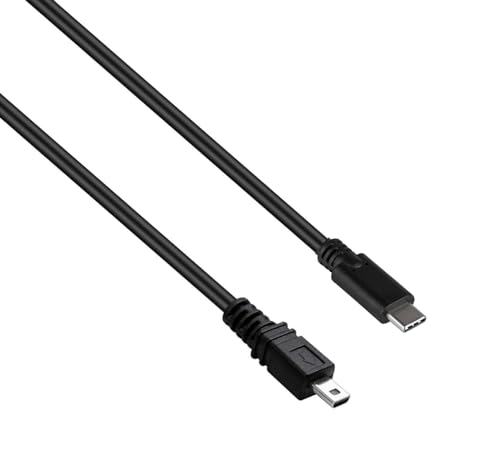
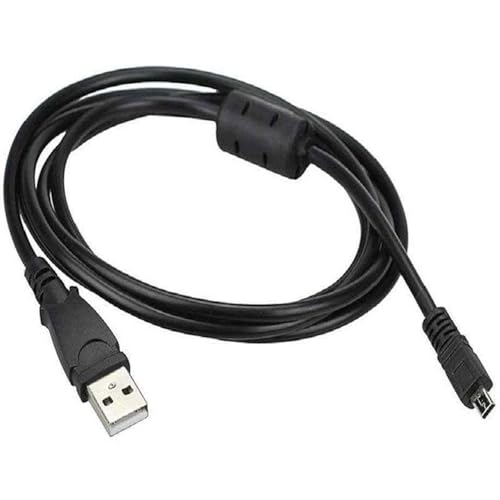
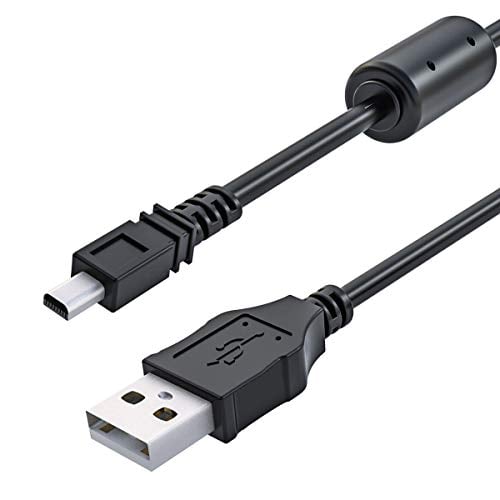
The P530 has a Micro USB port for charging and data transfer, plus a Micro HDMI output for connecting to TVs and monitors. It does not have Wi-Fi or Bluetooth built in. Transferring photos requires a USB cable or removing the memory card and using a card reader.
Menus Worth Exploring
Image quality: Set to Fine JPEG for the best balance of quality and file size. RAW is not available on this model.
White balance: Auto works in most conditions. Switch to Daylight, Cloudy, or Shade presets if colors look off under specific lighting.
Picture Control: Options include Standard, Neutral, Vivid, and Monochrome. Vivid boosts color saturation and contrast, which looks good for landscapes and travel photos. Neutral gives flatter colors with more editing flexibility.
Continuous shooting: The P530 shoots at about 7 fps at full resolution for a short burst. Use this for action, sports, and wildlife to improve your chances of catching the right moment.
Tips for Better Results
Wildlife and Birds: Use S mode at 1/500 or faster, zoom to 1000mm, and brace the camera on a solid surface. Subject Tracking AF helps keep the bird in focus as it moves. Shoot in burst mode and pick the sharpest frame later.
Landscapes: Zoom out to 24mm wide. Use Landscape scene mode or A mode at f/5 to f/8 for the sharpest results. ISO 125, tripod if you have one. The panorama mode stitches wide scenes together automatically.
Portraits: Zoom to about 50-100mm for flattering perspective. Portrait scene mode softens the background and warms skin tones. Get close to your subject with open space behind them for the best separation.
Moon: Manual mode, zoom to 1000mm, ISO 125, f/5.9, shutter speed around 1/250. Use a tripod. The P530’s reach can capture surprisingly clear shots of the lunar surface.
Sports and Action: Sports scene mode or S mode at 1/500+. Use continuous shooting. Pre-focus on the area where the action will happen, or use Subject Tracking for unpredictable movement.
Final Thoughts
The Nikon Coolpix P530 gives you 24mm-to-1000mm zoom range in a single compact body. That kind of reach opens up photography opportunities that would require a bag full of lenses on a DSLR. The PASM controls let you grow as a photographer, and the VR system helps keep images sharp at extreme zoom settings. Spend some time with the zoom techniques and shooting modes, and this camera will handle everything from wide landscapes to distant wildlife.