When you purchase through links on our site, we may earn an affiliate commission. Here’s how it works.
iPhone Vs Samsung Camera: Which Takes Better Photos?
Comparing the iPhone vs Samsung camera might seem like an impossible call. Both brands pack outstanding optics into their flagship phones, and both keep raising the bar year after year. But there are real differences in how Apple and Samsung approach mobile photography, and those differences matter depending on what you shoot most.
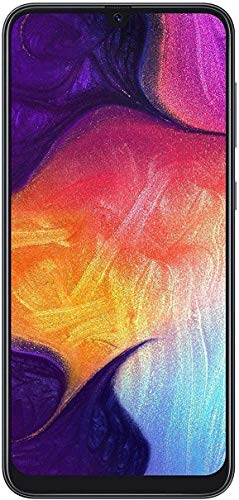
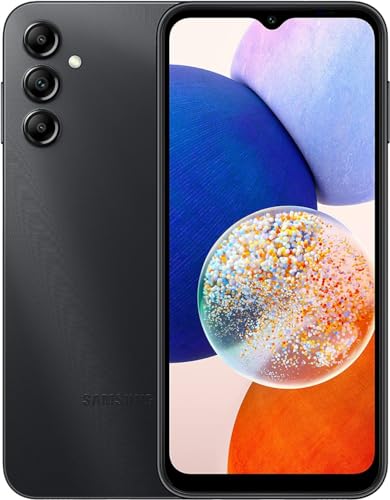
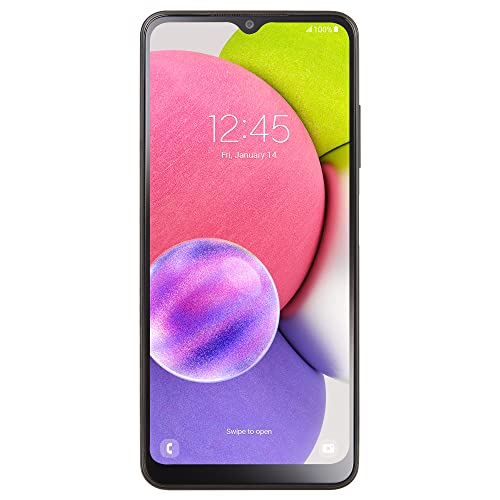
Below, we break down the general philosophy behind each brand’s cameras, then put the iPhone 15 Pro Max and Samsung Galaxy S23 Ultra side by side for a more specific look.
Hardware: Lenses, Sensors, and Flash
When it comes to raw camera hardware, both Apple and Samsung pack serious technology into their flagship phones. Nearly every recent iPhone ships with dual or triple rear cameras that deliver excellent results in both daylight and low-light conditions. They also include True Tone Flash and LiDAR scanners for improved autofocus and AR applications.
iPhone Camera Hardware: iPhone 15 Pro Max
The iPhone 15 Pro Max features a strong triple-camera setup:
Readers who found this helpful also liked our guide on tripods for iPhone.
- A 48MP primary camera with a 24mm focal length, f/1.78 aperture, and sensor-shift stabilization.
- A 12MP ultra-wide camera with a 13mm focal length and f/2.2 aperture.
- A 12MP telephoto camera with a 120mm focal length and 5x optical zoom.
Apple’s camera module sits in a square arrangement that protrudes slightly from the back of the phone, keeping with the design language Apple has used for several generations.
Samsung Camera Hardware: Galaxy S23 Ultra
Samsung’s Galaxy S23 Ultra answers with a four-camera system that emphasizes zoom range:
- A 200MP main camera with a 23mm focal length, f/1.7 aperture, and advanced pixel binning.
- A 12MP ultra-wide camera with a 13mm focal length and f/2.2 aperture.
- A 10MP telephoto camera with a 70mm focal length and 3x optical zoom.
- A 10MP periscope telephoto lens with a 230mm focal length and 10x optical zoom.
Samsung takes a different design approach. Each lens sits in its own individual cutout that blends into the phone’s frame for a more integrated look.
Camera Performance: Real-World Results
On paper, specs tell one story. In practice, both phones deliver impressive results, but each has a clear strength:
For more on this, take a look at our how to take professional photos with iPhone guide.
- The iPhone 15 Pro Max consistently produces accurate, true-to-life colors. Its night mode is especially strong, pulling in detail without over-processing the image or pushing unnatural color casts.
- The Samsung Galaxy S23 Ultra is the zoom king. That 10x optical zoom captures sharp detail at distances where the iPhone simply cannot compete, making it a better pick for wildlife shots, sports, or anything far away.
It really depends on what matters more to you: reliable color accuracy across every shot, or the flexibility to zoom in close on distant subjects.
Video Performance
Both phones are excellent for video. The iPhone shoots 4K at up to 60 frames per second and offers a macro video mode that adds a creative dimension to close-up footage. Samsung counters with 8K recording at 24 fps, which captures more raw detail, though the practical use of 8K footage is still limited by storage size and playback support.
For most people shooting social media content or personal videos, either phone will do a great job. Serious videographers may lean toward the iPhone for its Cinematic Mode and ProRes support, while Samsung’s 8K option is there for future-proofing.
Verdict: iPhone or Samsung for Photography?
Choosing between an iPhone and a Samsung phone is not only about the camera. It is about the entire ecosystem you are buying into. Apple offers tighter integration with apps like iMovie, Final Cut Pro, and AirDrop for quick sharing. Samsung gives you more hardware flexibility and features like a built-in S Pen on the Ultra line.
If you want consistent, polished photos with minimal fiddling, the iPhone is hard to beat. If you want maximum zoom range and the highest megapixel count available on a phone, Samsung has the edge. Either way, you are getting one of the best smartphone cameras on the market in 2026.