What You Need
| Item | Purpose |
|---|---|
| Modem | Connects to your ISP’s network (cable, DSL, or fiber). Provided by your ISP or purchased separately. |
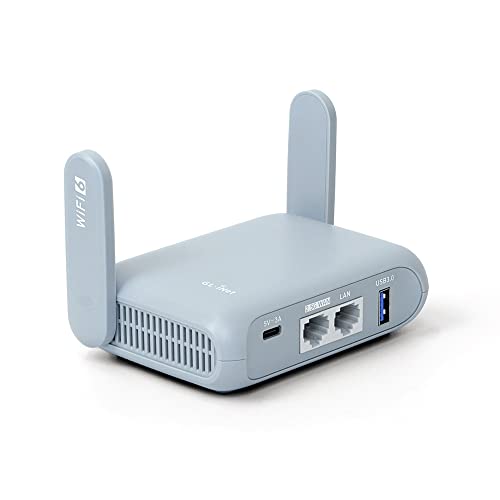
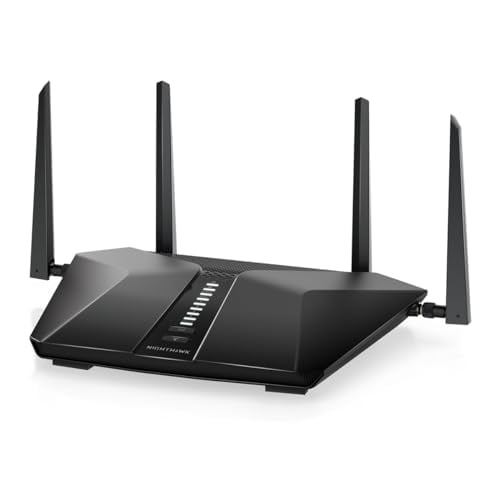
| Router | Creates your WiFi network and connects multiple devices. Purchased separately unless your ISP gives you a combo unit. |
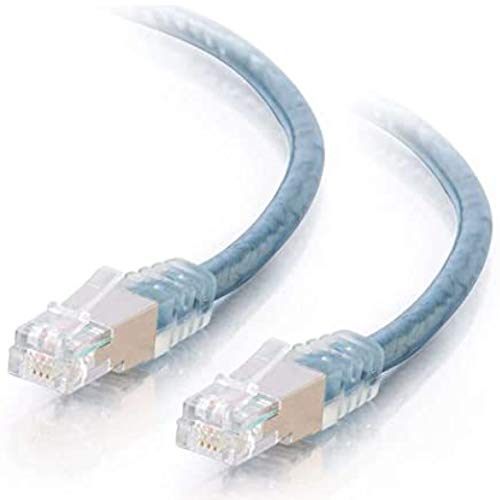
| Ethernet cable | Connects the modem to the router (usually included with the router). |
| Coaxial cable, phone line, or fiber cable | Connects the modem to the wall jack. Depends on your internet type. |
If your ISP gave you a modem/router combo unit (gateway), you already have both in one device. Adding a separate router to a gateway requires putting one device in bridge mode to avoid double NAT issues (covered below).
Connect the Modem
- Plug the coaxial cable (cable internet), phone line (DSL), or fiber cable into the modem’s WAN/Internet port.
- Plug the other end into the wall jack.
- Connect the modem’s power adapter and turn it on.
- Wait 2 to 5 minutes for the modem to fully boot and establish a connection with your ISP. The “Online” or “Internet” light should turn solid (not blinking).
Don’t connect the router yet. Let the modem finish connecting to your ISP first. If the modem’s internet light doesn’t go solid after 5 minutes, the line from the wall jack may not be active – call your ISP to verify.
Connect the Router to the Modem
- Plug one end of an Ethernet cable into the modem’s Ethernet port (usually yellow, labeled “LAN” or “Ethernet”).
- Plug the other end into the router’s WAN port (sometimes labeled “Internet” or colored differently from the other Ethernet ports).
- Connect the router’s power adapter and turn it on.
- Wait 1 to 2 minutes for the router to boot up.
The WAN port on the router is the input from the internet. The LAN ports are outputs to your devices. Don’t plug the modem cable into a LAN port – the router won’t get internet access.
For Orbi, check our Orbi router setup guide.
Set Up the WiFi Network
- Connect to the router’s default WiFi network. The network name (SSID) and password are printed on a sticker on the bottom or back of the router.
- Open a web browser and go to the router’s admin page. Common addresses: 192.168.1.1, 192.168.0.1, or the address listed in the router’s documentation.
- Log in with the default admin credentials (also on the sticker or in the manual). Common defaults: admin/admin or admin/password.
- The setup wizard should launch automatically. Follow the prompts to configure your WiFi network name, WiFi password, and admin password.
Change the default admin password to something strong and unique. The admin password controls access to your router’s settings – leaving it as the default means anyone on your network can change your settings.
For the WiFi password, use WPA3 encryption if your router supports it, or WPA2 as a minimum. Never use WEP – it’s outdated and easily cracked.
Best Practices for WiFi Setup
Network name (SSID): Pick something recognizable but don’t include personal information. “SmithFamily-WiFi” tells neighbors whose network it is. Something generic like “HomeNetwork-5G” works fine.
Separate 2.4GHz and 5GHz (optional): Most modern routers create a combined network that automatically steers devices to the best band. If you separate them, use 5GHz for devices near the router (faster speeds) and 2.4GHz for devices far away (better range). Smart home devices often only work on 2.4GHz.
Router placement: Put the router in a central location, elevated (on a shelf or mounted on a wall). Avoid placing it in a closet, behind furniture, or near microwaves and baby monitors which cause interference. Walls, floors, and metal objects all reduce signal strength.
Connect Devices via Ethernet
For devices that need the fastest and most stable connection – desktop PCs, gaming consoles, smart TVs, streaming boxes – use Ethernet cables plugged into the router’s LAN ports.
Most routers have 4 LAN ports. If you need more, add an Ethernet switch ($15 to $25) to any LAN port. An 8-port switch gives you 7 additional wired connections.
ISP Gateway: Adding Your Own Router
If your ISP provided a combo modem/router (gateway) but you want to use your own router for better WiFi:
Option 1 – Bridge mode: Log into the gateway’s admin page and enable “Bridge Mode” or “Passthrough.” This turns off the gateway’s routing and WiFi, letting your own router handle everything. The gateway becomes just a modem.
Option 2 – Double NAT: Simply plug your router’s WAN port into the gateway’s LAN port. This works but creates “double NAT” – two layers of network address translation. Most people won’t notice a difference, but it can cause issues with gaming, VPNs, and port forwarding. Bridge mode is the cleaner solution.
Option 3 – Replace the gateway: Buy your own modem and router separately. Call your ISP to register your modem’s MAC address on their network. Return the gateway to stop paying the monthly rental fee ($10 to $15/month for most ISPs). This saves money long-term and gives you full control.
Troubleshooting
No internet after connecting. Restart both devices in order: turn off the router, turn off the modem, wait 30 seconds, turn on the modem first, wait until its lights stabilize, then turn on the router. Verify the Ethernet cable is in the WAN port on the router (not a LAN port). Try a different Ethernet cable.
WiFi works but no internet. The router is working fine, but the modem isn’t connected to the ISP. Check the modem’s status lights – if the “Internet” or “Online” light is off or blinking, the ISP connection is the issue. Restart the modem. If it still doesn’t connect, call your ISP.
Slow speeds. Connect a device directly to the modem with an Ethernet cable and run a speed test (speedtest.net). If speeds are normal, the router is the bottleneck – try a different WiFi channel, move the router, or upgrade to a newer router. If speeds are slow even direct from the modem, the issue is with your ISP.
Can’t access router admin page. Make sure you’re connected to the router’s network (WiFi or Ethernet). Try both 192.168.1.1 and 192.168.0.1. Check the router’s sticker for the correct address. Clear your browser cache or try a different browser. If you changed the admin password and forgot it, reset the router by pressing and holding the Reset button for 10 seconds.
Do I need both a modem and a router?
Yes, unless you have a combo unit (gateway) that combines both. The modem translates your ISP’s signal into a standard Ethernet connection. The router shares that connection across multiple devices via WiFi and Ethernet. Some ISPs provide a gateway that does both jobs in one box.
Can I use any router with any modem?
Yes. Any standalone router works with any standalone modem. Just connect them with an Ethernet cable. Make sure the modem is compatible with your ISP (cable modems need DOCSIS 3.0 or 3.1 for modern cable internet, DSL modems must match your ISP’s DSL type). The router side is universal.
Should I rent or buy my own modem?
Buying saves money. ISPs charge $10 to $15/month to rent a modem/gateway. A good modem costs $60 to $100 and pays for itself in 6 to 10 months. Check your ISP’s list of approved modems before buying. Buying your own modem also eliminates ISP-installed software and gives you more control over your network.
Sources
Picking the right router starts with knowing your internet plan. Use our ISP coverage checker to see what speeds and providers are available at your address.
Adding an extender? See our WiFi extender and Verizon router guide.
Setting up a different router brand? Our Spectrum WiFi router setup guide covers the full process.
Netgear – Router Setup | TP-Link – Quick Setup Guide