Nikon D3400 Portrait Settings: Getting the Best Shots
If you’ve got a Nikon D3400 and you’re looking to step up your portrait game, understanding the right Nikon D3400 portrait settings is where it all starts. This entry-level DSLR packs a lot of punch for its price point. It’s compact, lightweight, and delivers surprisingly sharp portrait photos thanks to its 24.2MP DX-format sensor and flexible kit lens zoom range.
Once you get comfortable with the basics, a few setting tweaks can make a big difference in your portrait results. Here’s a step-by-step walkthrough.
How to Shoot Portraits with the Nikon D3400
Step 1. Understanding the Mode Dial
The mode dial sits on top of your D3400, and it’s the first thing you should learn. It controls how the camera handles exposure, and it determines what settings you can manually adjust.
The camera’s auto mode handles everything for you, but for portraits, the PSAM modes give you much better creative control.
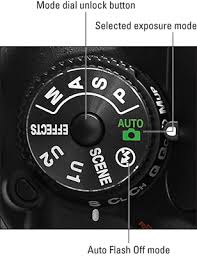
P (Program Auto) is a great starting point if you’re still getting used to the camera. It handles aperture and shutter speed automatically, but lets you tweak other settings like exposure compensation and white balance.
S (Shutter Priority) lets you manually set the shutter speed while the camera picks the matching aperture. Good for when you need to freeze a specific motion in your portrait.
A (Aperture Priority) is the portrait photographer’s best friend on this camera. You control the aperture (f-stop), which directly affects how blurry your background gets. Lower f-numbers like f/3.5 or f/5.6 give you that nice soft background that makes subjects pop.
M (Manual) gives you full control of both aperture and shutter speed. Keep an eye on the exposure gauge and adjust until the marker is centered for a balanced exposure.
Step 2. Shooting Group Portraits and Selfies
The D3400’s built-in self-timer is perfect for group shots or solo portraits when you don’t have someone else behind the camera. For group portraits, you’ll need enough depth of field to keep everyone sharp, so set your aperture to f/5.6 or smaller (higher f-number).
If anyone in the group is moving or you’re shooting active poses, bump your shutter speed to 1/200 sec or faster to avoid blur.

Set your lens to manual focus, press the Release Mode button, and select the self-timer option. Hit the shutter button and you’ll hear a beeping countdown before the camera fires the shot.
Step 3. Freezing Action in Portraits
Not every portrait is a still, posed shot. Kids running around, candid moments, or someone tossing their hair all need a fast shutter speed to come out sharp.
Set the Mode Dial to S (Shutter Priority) and dial in a shutter speed of at least 1/200 sec. Then press the Release Mode button and switch to Continuous Shooting so the camera captures a burst of frames.
For your focus mode, select AF-C (continuous autofocus). This keeps the D3400 tracking your subject as they move. Half-press the shutter to engage the autofocus, follow your subject’s movement, and press fully when the moment is right.
Nikon D3400 Portrait Settings – freeze actionStep 4. Getting White Balance Right
White balance affects the color tone of your entire image. Getting it wrong can make skin tones look too warm, too cool, or just unnatural. The D3400 gives you several presets to match different lighting.
For indoor portraits under standard household bulbs, switch to the Incandescent white balance preset. If you’re using your flash, set it to Flash mode so the camera accounts for the cooler color temperature.
Shooting outside in daylight? Auto white balance usually works fine. But if you’re shooting during golden hour or under cloudy skies, try the Cloudy or Shade presets for warmer tones that flatter skin.
With these Nikon D3400 portrait settings dialed in, you’ll be capturing much better portraits right away. The key is to experiment with aperture priority mode and pay attention to your lighting conditions.