When you purchase through links on our site, we may earn an affiliate commission. Here’s how it works.
How to Adjust Canon M50 Shutter Speed
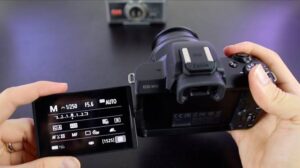
How to adjust Canon m50 shutter speed
Getting your Canon M50 shutter speed dialed in properly is one of the most important things you can learn as a photographer using this camera. The M50 remains a fan-favorite mirrorless camera in 2026, and for good reason.
The Canon M50 is one of the top models ever released with Canon’s DIGIC 8 processor. This amazing flip screen camera from Canon not only shoots excellent 4K video but is also incredibly fast and responsive.
The M50 is a mirrorless camera that still holds its own at an affordable price point. It’s got a smart, solid build, great ergonomics, and Canon’s EF-M mount lens system. Its shutter speed range of 30 seconds to 1/4000s gives you plenty of flexibility for everything from long exposures to freezing fast action.
Here’s how to adjust or change the Canon M50 shutter speed in a few simple steps.
Adjusting the Shutter Speed
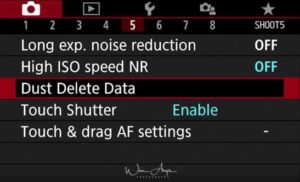
adjusting Canon m50 shutter speed
Steps for Adjusting the Canon M50 Shutter Speed
Step 1. Switch to TV Mode
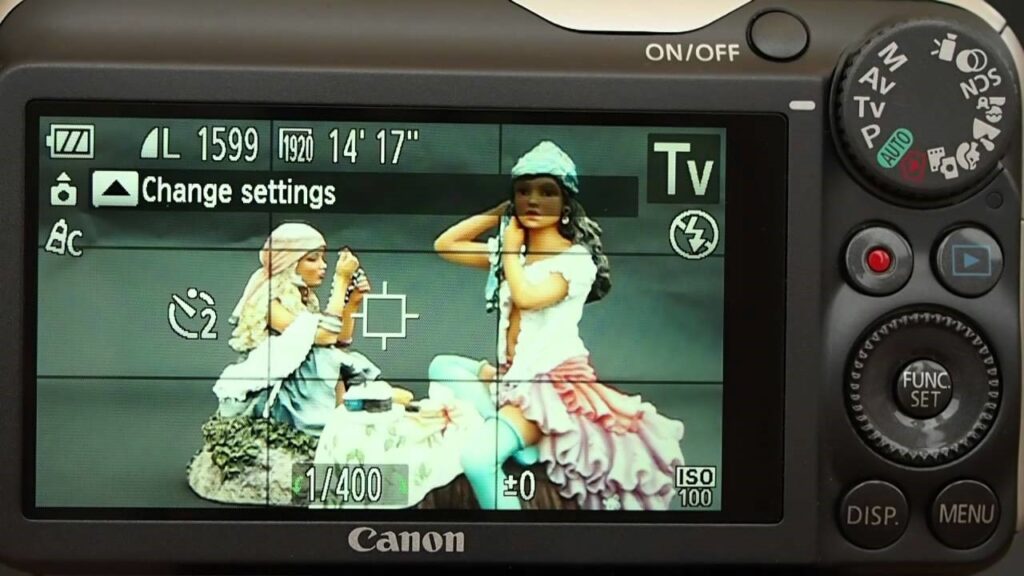
Canon m50 shutter speed – switching to the TV mode
TV mode is the term most photographers use when referring to the shutter priority mode. If you check the camera’s manual, you’ll find that TV stands for Time Value.
TV mode gives you direct control over how long the shutter stays open while the camera automatically adjusts the aperture. The longer the shutter remains open, the more light reaches the sensor.
Canon M50 shutter speed has a direct impact on how sharp your photos turn out. Two things affect sharpness the most: the subject’s motion and camera shake.
A slow shutter speed lets the sensor gather more light, but any movement from your hand or your subject will show up as blur. That’s fine if you want motion blur on purpose, but it’s a problem if you’re trying to freeze a moment.
To switch to TV mode, tap the Mode button on the LCD screen of the Canon M50 and select Tv. Hit the Return button to confirm and go back to shooting.
Step 2. Choose Your ISO
To pick the right ISO for your shooting conditions, tap the ISO button in the bottom right corner of the screen.
From there, you can use the Main dial or simply drag to your desired ISO setting. Hit the Return button when you’re done.
A few tips on ISO: keep it as low as possible (100-400) for the cleanest images. Bump it up to 800 or 1600 if you’re shooting in dimmer conditions. Higher ISO values introduce noise, so only go as high as you need to.
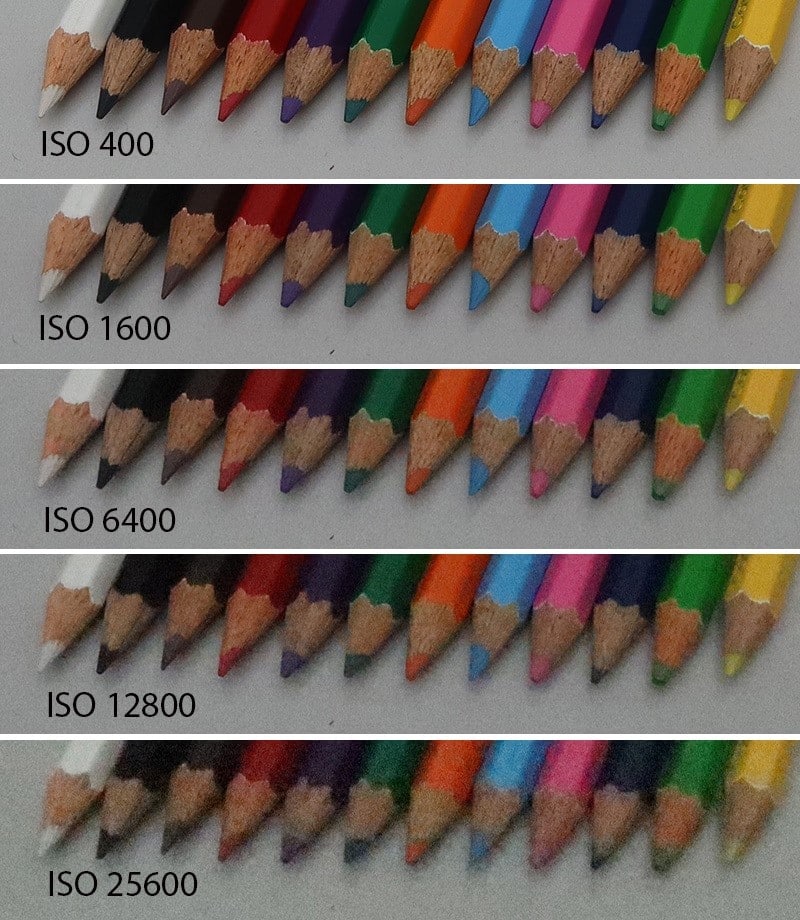
Canon m50 shutter speed – ISO settings
Step 3. Adjust the Angle of Your Camera
Canon m50 shutter speed – camera angle
Before you start snapping away, make sure you’ve got your composition set up properly. Good composition is half the battle.
To adjust the Canon M50 shutter speed effectively, point the camera at your subject and activate the camera’s light meter by pressing the shutter button halfway down. Don’t press it all the way – just gently until you feel it catch.
Once you do that, you’ll see exposure information appear at the bottom of the LCD screen. This tells you whether your current settings will produce a properly exposed image.
Step 4. Select the Desired Shutter Speed
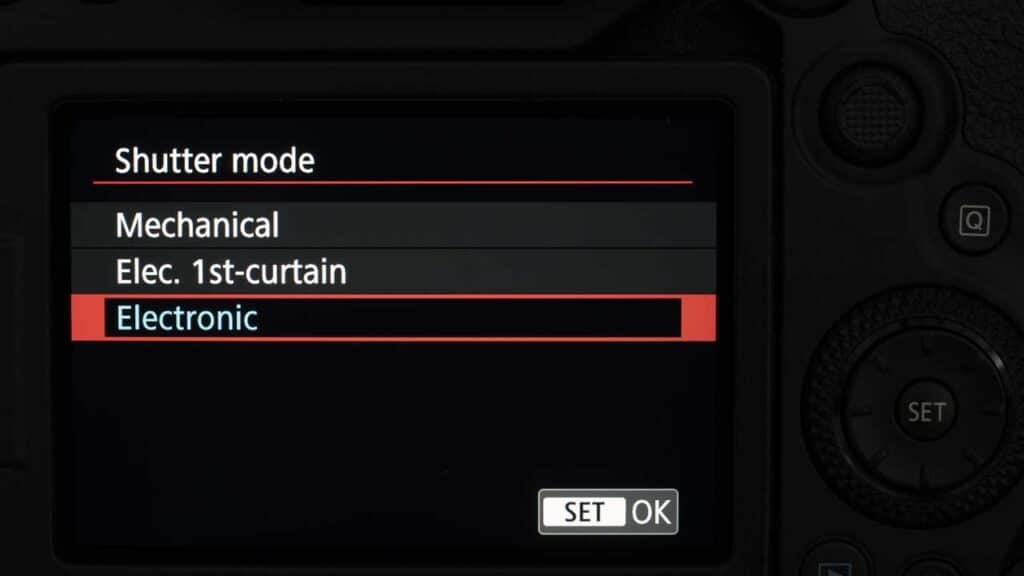
Canon m50 shutter speed – selecting shutter speed
Once the meter is active, change the Canon M50 shutter speed by rolling the Main Dial left or right.
Roll the dial to the right to increase the shutter speed, or to the left to decrease it.
A faster shutter speed (like 1/250s or quicker) means the shutter is open for a very short time. This is great for freezing action – sports, wildlife, kids running around. The camera becomes much less sensitive to shake or subject movement at these speeds.
A slower shutter speed (like 1/30s or longer) means the shutter stays open longer. This lets in more light, which is useful in darker conditions, but it also means any movement will show up as blur. If you’re going below 1/60s, you’ll probably want a tripod.
The Canon M50 shutter speed range runs from 30 seconds all the way to 1/4000s. That’s a wide range that lets you do everything from nighttime long exposures to freezing fast motion, and even shoot pictures in 4K.
This camera is still one of the best values on the market in 2026, especially if you find it at a good price on the used market. It’s worth checking out before you make your final camera purchase decision.
You might also want to look at the best Canon remote shutter release options if you’re doing long exposures or self-portraits. A remote trigger eliminates the camera shake from pressing the button.