The Samsung Galaxy A80 turned heads when it launched in 2019 with a motorized rotating camera that doubled as both the rear and front shooter. It was bold, flashy, and unlike anything Samsung had ever done in the mid-range space. But now that several years have passed, is the Samsung Galaxy A80 still worth picking up in 2026? Let’s take an honest look back at what made this phone special, where it fell short, and whether it deserves a spot in your pocket today.
![Mr.Shield [3-PACK] Designed For Samsung Galaxy A80 [Tempered Glass] Screen Protector with Lifetime Replacement](https://www.technowifi.com/wp-content/uploads/2026/08/mr-shield-3-pack-designed-for-samsung-galaxy-a80-tempered-glass-screen.jpg)
Samsung Galaxy A80: The Rotating Camera Experiment
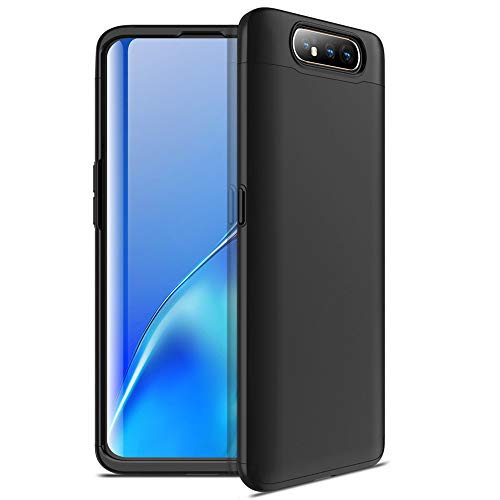
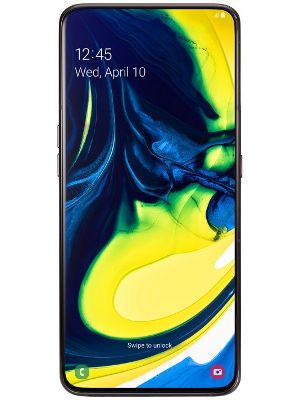
Samsung’s Galaxy A80 was built around a single headline feature, a triple camera module that physically rotated from the back to the front when you switched to selfie mode. The mechanism used a motorized slider that popped the camera assembly up and flipped it 180 degrees, giving you the exact same 48MP main camera for both rear and front-facing shots.
The idea was brilliant on paper. Instead of compromising with a weaker selfie camera, Samsung gave you the full power of the main camera system for everything. The result was genuinely impressive selfie quality that matched what you’d get shooting with the rear cameras. No other mainstream phone had attempted anything quite like it.
Specs and Performance: Snapdragon 730G Under the Hood
Beyond the camera trick, the Galaxy A80 packed respectable mid-range hardware for its time. The Qualcomm Snapdragon 730G processor paired with 8GB of RAM handled everyday tasks smoothly, and gaming performance was decent for 2019 titles. The phone shipped with 128GB of internal storage, though there was no microSD slot for expansion.
The 6.7-inch Super AMOLED display was a stunner. Samsung’s panel expertise was on full display here, vibrant colors, deep blacks, and excellent viewing angles made the A80 a joy to use for media consumption. The in-display fingerprint sensor worked reliably, and the near-bezel-less design gave the screen a truly immersive look since there was no notch or punch-hole to accommodate a front camera.
One UI and Software Experience
The Galaxy A80 launched with Android 9 Pie running Samsung’s One UI skin. The software was clean and well-organized, with Samsung’s usual suite of apps and features. One UI made the large screen easier to use one-handed by pushing interactive elements toward the bottom of the display.
Samsung provided one major OS update, bringing the phone to Android 10 with One UI 2.0. Security patches continued for a while after that, but the A80 has long since fallen off Samsung’s update schedule. In 2026, you’re stuck on outdated software with no new security patches, a significant concern for anyone who values keeping their phone secure.
This topic ties into our Samsung Galaxy phones guide, which covers the next steps.
Where the Samsung Galaxy A80 Fell Short
For all its innovation, the Galaxy A80 had some real weaknesses that became harder to overlook over time.
The Fragile Rotating Mechanism
The motorized camera was the phone’s biggest selling point and its biggest liability. Moving parts in a pocket device are inherently risky. Many users reported the mechanism becoming less reliable over time, slower rotations, occasional misalignment, and in some cases, complete failure. Dust and debris could work their way into the slider, accelerating wear. Dropping the phone with the camera extended was a near-guaranteed trip to the repair shop.
Samsung never repeated this design in any subsequent phone, which tells you everything about how they evaluated its long-term viability.
Battery Life Was Underwhelming
The 3,700mAh battery was too small for a phone with a 6.7-inch display and a power-hungry Snapdragon 730G. Heavy users struggled to make it through a full day, and the motorized camera mechanism drew additional power every time you switched between rear and selfie modes. Samsung did include 25W fast charging, which helped, but a larger battery would have made a significant difference.
No Headphone Jack and No MicroSD
Samsung removed the headphone jack on the A80, which was unusual for the A-series at the time. Combined with the lack of expandable storage, these omissions made the phone feel like it was cutting corners in areas that mid-range buyers cared about. Samsung’s own Galaxy A71 and A51 that followed brought both features back, suggesting Samsung heard the complaints.
Samsung Galaxy A80 Camera Quality in Detail
When the camera mechanism worked as intended, the results were genuinely good. The 48MP main sensor captured detailed, well-exposed shots in good lighting. Samsung’s processing leaned toward punchy, saturated colors, a look that many people find appealing for social media sharing.
The 8MP ultrawide lens offered a fun change of perspective, and the 3D depth sensor aided portrait mode shots with decent edge detection. Night photography was passable but not exceptional, the A80 pre-dated Samsung’s more advanced Night Mode processing that later appeared on the Galaxy S and newer A-series phones.
Our guide on how to connect phone to Samsung smart TV goes into more detail if you need it.
The real party trick was selfies. Because you were using the 48MP main sensor for front-facing shots, selfie quality was dramatically better than what any other mid-range phone offered at the time. If selfie quality was your top priority in 2019, the A80 was hard to beat.
Is the Samsung Galaxy A80 Worth Buying in 2026?
Honestly? No, not for most people. While the Galaxy A80 was a fascinating experiment in smartphone design, several factors make it a poor buy today.
First, the software situation is a dealbreaker. Running Android 10 in 2026 means you’re missing years of security patches and app compatibility may become an issue as developers drop support for older Android versions. Many banking and payment apps already require newer Android versions.
Second, the rotating camera mechanism is a ticking time bomb on used units. Even if it works perfectly when you buy one, there’s no guarantee it will keep working, and finding replacement parts or repair services for a discontinued phone is increasingly difficult.
Third, the mid-range market has moved dramatically forward. Phones like the Samsung Galaxy A55 offer better cameras, bigger batteries, longer software support, and more powerful processors for similar or lower prices on the used market.
Who Might Still Want One?
Collectors and tech enthusiasts who appreciate unique smartphone designs might find the Galaxy A80 interesting as a novelty piece. It represents a brief moment in smartphone history when manufacturers were willing to take big mechanical risks to stand out. As a daily driver in 2026, though, there are far better options available.
Alternatives Worth Considering
If the Galaxy A80 caught your eye because of its camera capabilities, look at Samsung’s current A-series lineup instead. The Galaxy A55 and A35 offer excellent camera systems with optical image stabilization, much longer software support commitments (four years of OS updates), and batteries that comfortably last a full day.
For those who liked the A80’s premium feel and large display, the Samsung Galaxy S23 FE is worth a look on the used market. It offers flagship-level performance with a more reasonable price tag and years of updates still ahead of it.
Final Verdict
The Samsung Galaxy A80 was a genuinely innovative phone that pushed the boundaries of what a mid-range device could do. The rotating camera was a bold move that delivered on its promise of superior selfie quality. But innovation without durability has a shelf life, and in 2026, the A80’s outdated software, fragile mechanism, and underwhelming battery make it a phone best appreciated from a distance. It’s a fascinating piece of smartphone history, just not one you should rely on as your daily phone.