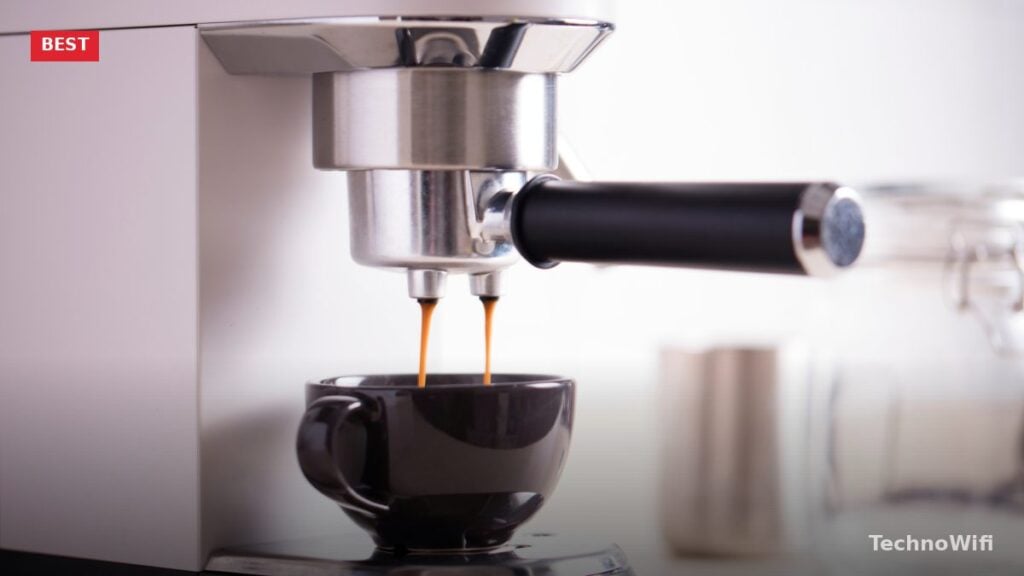
Best Commercial Espresso Machines in 2026
Choosing the right commercial espresso machine is one of the biggest decisions you will make if you are opening a cafe, upgrading a restaurant’s drink program, or outfitting an office kitchen where coffee quality matters. The machine you pick affects shot consistency, drink speed, maintenance costs, and how much training your staff needs. A poor choice means wasted beans, frustrated baristas, and customers who do not come back for a second cup.
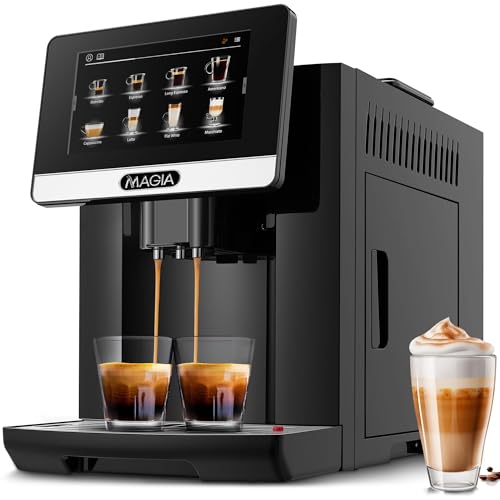
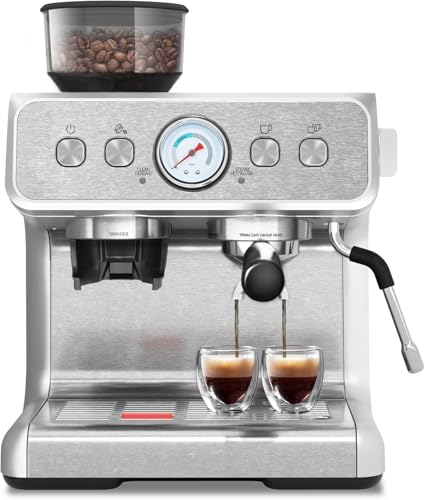
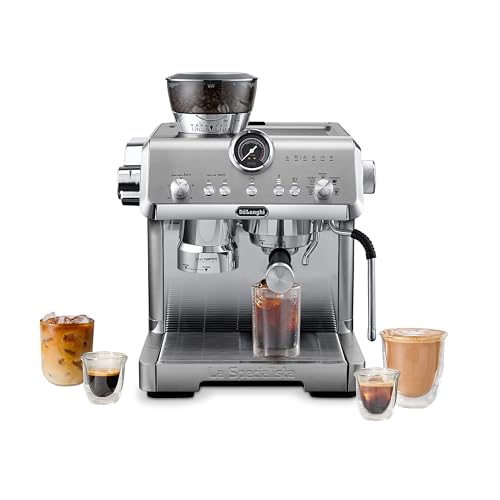


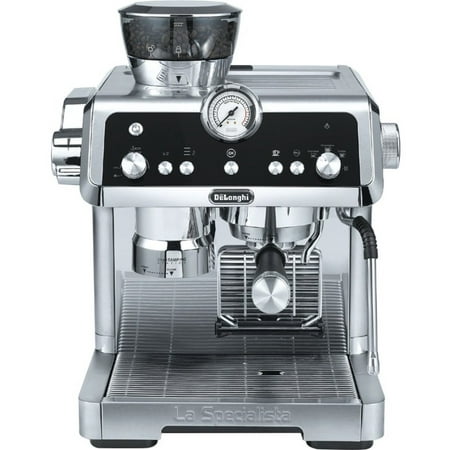
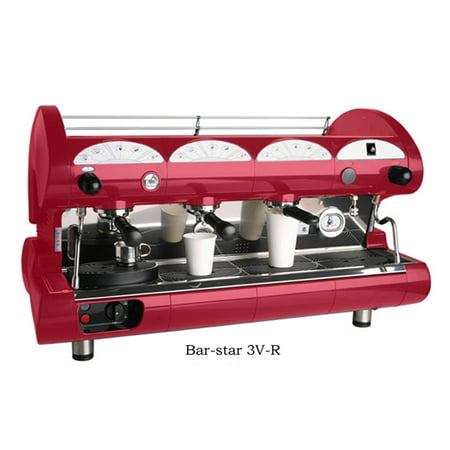
The term “commercial grade” gets tossed around loosely. Some machines marketed as commercial are really prosumer models designed for serious home users who want cafe-quality espresso without the size and plumbing requirements of a full commercial setup. Others are true workhorses built to pull hundreds of shots per day in a busy cafe. Both categories have a place, and understanding the difference will help you spend your money wisely.
What Makes a Machine “Commercial Grade”?
Boiler Size and Type
Commercial machines use larger boilers (typically 2 liters and up) that maintain stable water temperature even when pulling back-to-back shots. Single-boiler machines heat water for brewing and steaming from the same tank, which means you have to wait between pulling a shot and steaming milk. Dual-boiler and heat-exchange machines handle both simultaneously, which is essential in a cafe setting where speed matters.
Heat-exchange boilers use a single large boiler for steam, with a smaller tube running through it for brew water. This design lets you brew and steam at the same time at a lower cost than a full dual-boiler setup. Dual-boiler machines give you independent temperature control for brewing and steaming, which allows more precise tuning but adds complexity and cost.
Group Heads
The group head is where the portafilter locks in and water meets the coffee grounds. Commercial machines come with one, two, three, or four group heads. More group heads mean more simultaneous shots. A single-group machine handles small volumes (a home kitchen, a small office). A two-group machine is the standard for small to medium cafes pulling up to 150 shots per hour. Three and four-group machines are for high-volume operations.
Build Materials
True commercial machines use stainless steel, brass, and copper for their boilers, group heads, and internal plumbing. These materials handle heat cycling, water mineral buildup, and daily wear far better than the aluminum and plastic components found in consumer machines. A well-maintained commercial machine can last 10 to 20 years. Consumer machines typically last 3 to 7 years.
Water Supply
Many commercial machines connect directly to a water line so you never need to refill a reservoir manually. This is standard in cafe installations. Prosumer and smaller commercial machines may use a refillable water tank, which works fine for low-volume environments but becomes impractical when you are making dozens of drinks per hour.
Key Specs to Consider
Boiler capacity: Larger boilers recover temperature faster between shots. For a cafe, look for at least 2 liters for a single-group and 5+ liters for a two-group machine.
Pump pressure: Espresso requires about 9 bars of pressure for proper extraction. All the machines on this list deliver that. Some offer pre-infusion, which applies low pressure initially to let the grounds absorb water evenly before ramping up to full pressure. Pre-infusion produces a more balanced, less bitter shot.
PID temperature control: A PID (Proportional-Integral-Derivative) controller maintains brew water temperature within a very narrow range, typically plus or minus 1 degree Fahrenheit. This consistency is the difference between good espresso and great espresso. Machines without PID control can swing several degrees between shots, leading to inconsistent flavor.
Steam power: If you serve a lot of milk drinks (lattes, cappuccinos, flat whites), you need a machine with a powerful steam wand that can texture milk quickly. Commercial machines can steam a pitcher of milk in 10 to 15 seconds. Consumer machines may take 30 to 60 seconds, which slows down service during a rush.
Top Picks for 2026
1. La Marzocco Linea Mini
La Marzocco is one of the most respected names in commercial espresso. Their machines are found in specialty coffee shops around the world, and the Linea Mini brings that same engineering to a compact, single-group format that fits on a kitchen counter or a small cafe bar.
The dual-boiler design gives you independent control over brew temperature and steam temperature. The brew boiler uses a saturated group head, the same technology found in La Marzocco’s full-size commercial machines. This design keeps the group head at a stable, even temperature, which translates directly to consistent shot quality.
The steam performance is genuinely impressive for a machine this size. The steam boiler heats quickly and produces dry, powerful steam that textures milk fast. If you are making latte art, this machine gives you the kind of microfoam that most prosumer machines struggle to achieve.
Build quality is exceptional. The body is stainless steel, the internals are commercial-grade, and the machine weighs about 67 pounds, which tells you something about the density of metal inside. La Marzocco backs it with strong customer support and a network of authorized service technicians.
The price is high (typically $4,000 to $5,000), and the machine does not include a built-in grinder. You will need a quality grinder to match, which adds another $300 to $2,000 depending on what you choose. But for a small cafe, a prosumer buyer, or anyone who wants genuine commercial espresso quality in a countertop format, the Linea Mini is the benchmark.
Key specs: Dual boiler, saturated group head, single group, 3.5L steam boiler, 1.8L brew boiler, PID temperature control, direct plumb or reservoir, stainless steel body, 67 lbs.
2. Breville Barista Express
The Barista Express is the most accessible machine on this list. It is an all-in-one unit with a built-in conical burr grinder, a single-group head, a steam wand, and a pressure gauge that helps you dial in the right extraction. For a small office, a home coffee station, or a low-volume retail counter, it delivers solid espresso without the complexity and cost of a full commercial machine.
The built-in grinder has adjustable grind size and dose settings. While it is not as precise as a standalone commercial grinder, it produces consistent enough results for most users. The 54mm portafilter is smaller than the 58mm standard used by most commercial machines, which means you cannot swap in aftermarket baskets as easily. For everyday use, though, the included baskets work fine.
The thermocoil heating system is not a true boiler; it heats water on demand as it passes through the thermal coil. This means the machine heats up quickly (about 30 seconds) but is not as temperature-stable as a PID-controlled boiler system. For casual espresso drinkers, the difference is minimal. For serious enthusiasts chasing perfect extraction, it is noticeable.
The steam wand produces enough pressure to froth milk for lattes and cappuccinos, though it takes longer than a commercial machine to texture a full pitcher. Build quality is good for the price, with a stainless steel housing and a clean, straightforward control layout.
At $600 to $750, the Barista Express is the entry point for anyone who wants fresh-ground, fresh-pulled espresso at home or in a small office without a large upfront investment.
Key specs: Thermocoil heater, built-in burr grinder, single group, 2L water tank, 54mm portafilter, stainless steel body, 23 lbs.
3. Rancilio Silvia Pro X
Rancilio has been making commercial espresso equipment in Milan since 1927. The Silvia Pro X is their top prosumer machine, and it packs a remarkable amount of commercial DNA into a compact package. The dual-boiler, PID-controlled system gives you independent temperature control for brewing and steaming, which is a feature you rarely find at this price point (around $1,500 to $1,800).
The brew boiler is made of brass and holds 0.3 liters. The steam boiler is stainless steel and holds 1 liter. Both have dedicated heating elements and PID controllers, which maintain precise temperatures shot after shot. The 58mm group head is the industry standard size, meaning you can use third-party baskets, tampers, and accessories from the wider espresso ecosystem.
The steam wand is a commercial-style articulating wand with a two-hole tip. It produces dry, powerful steam that textures milk well, though it takes a bit longer than a full commercial machine. The wand has enough range of motion to work with different pitcher sizes.
Build quality reflects Rancilio’s commercial heritage. The frame is painted steel, the group head is chrome-plated brass, and the drip tray is stainless steel. The machine weighs about 40 pounds and feels solid on the counter. It is not flashy, but it is built to last.
For a small cafe with moderate volume, a serious home setup, or an office where coffee quality is a priority, the Silvia Pro X delivers commercial-level consistency at a fraction of the cost of a full commercial machine.
Key specs: Dual boiler (brass brew, stainless steel steam), PID temperature control, single group, 58mm group head, 0.3L brew boiler, 1L steam boiler, steel body, 40 lbs.
4. Nuova Simonelli Oscar II
Nuova Simonelli makes some of the most respected commercial espresso machines in the world, and the Oscar II is their entry-level commercial offering. It uses a heat-exchange boiler system, which means you can brew and steam simultaneously without the cost of a dual-boiler setup.
The 2.3-liter copper boiler heats water for steaming, while a heat-exchange tube running through the boiler provides brew water at a slightly lower temperature. This design provides excellent thermal stability for its class. The commercial-grade E61-style group head is chrome-plated brass and maintains a consistent temperature throughout the brewing cycle.
The steam performance is strong. Nuova Simonelli is known for powerful steam wands across their entire lineup, and the Oscar II lives up to that reputation. It textures milk quickly and can handle back-to-back milk drinks without losing steam pressure. For a small cafe that serves a lot of lattes, this matters.
The machine can connect directly to a water line or use a refillable reservoir, giving you flexibility depending on your setup. The body is a durable plastic composite (not stainless steel), which keeps the weight down and the price more accessible. The internals, where material quality really counts, use commercial-grade metals.
At around $1,200 to $1,500, the Oscar II is one of the most affordable ways to get genuine commercial espresso performance. It is a strong choice for small cafes, food trucks, and offices that want to step up from consumer equipment without spending $3,000+.
Key specs: Heat-exchange boiler, 2.3L copper boiler, single group, 58mm group head, direct plumb or reservoir, 50 lbs.
5. Gaggia Classic Evo Pro
Gaggia has been making espresso machines since the 1930s and is credited with inventing the modern espresso machine. The Classic Evo Pro is their updated prosumer model, and it carries on a long tradition of making solid espresso at an accessible price.
The single-boiler design means you cannot brew and steam at the same time. You pull a shot, then switch to steam mode, wait for the boiler to heat up a few degrees, and then steam your milk. For a home user or a very low-volume setting, this workflow is manageable. For any setting where speed matters, it becomes a bottleneck.
What the Classic Evo Pro does well is shot quality. The updated 58mm group head, the commercial-standard portafilter size, and the 15-bar vibratory pump (which you can mod to 9-bar with an over-pressure valve adjustment or a spring replacement) deliver a good espresso extraction. The machine comes with both pressurized and non-pressurized baskets, so beginners can start with the pressurized basket (which is more forgiving of grind inconsistencies) and graduate to the non-pressurized basket as their technique improves.
The body is brushed stainless steel, and the build feels durable and well-made for the price. The drip tray, water tank, and group head are easy to access for cleaning and maintenance. The machine weighs about 18 pounds.
At $450 to $550, the Gaggia Classic Evo Pro is the best entry-level machine for someone who wants real espresso (not pod-based or automatic drip) without a large investment. It is also one of the most modification-friendly machines on the market: a cottage industry of aftermarket parts and upgrades (PID controllers, pressure profiling kits, precision baskets) exists specifically for the Gaggia Classic line.
Key specs: Single boiler, 58mm group head, 15-bar vibratory pump, 2.1L water tank, stainless steel body, 18 lbs.
Commercial vs. Prosumer: Which Do You Need?
If you are running a cafe or restaurant that serves more than 50 espresso-based drinks per day, you need a true commercial machine with at least two group heads, a large boiler, and direct water line connection. Machines in this category start around $3,000 and can run well over $15,000 for high-end multi-group models.
If you are outfitting a small office, a low-volume retail counter, a food truck, or your home kitchen, a prosumer machine (single group, smaller boiler, reservoir or plumbed) gives you 90% of the espresso quality at 20% to 40% of the cost. Machines like the Rancilio Silvia Pro X, Nuova Simonelli Oscar II, and La Marzocco Linea Mini sit in this category.
If you are just getting started and want to learn espresso basics without a major investment, the Breville Barista Express and Gaggia Classic Evo Pro are forgiving, affordable, and capable of pulling genuinely good shots once you dial in your grind and technique.
Do Not Forget the Grinder
Your espresso is only as good as your grind. An expensive machine paired with a mediocre grinder will produce mediocre espresso. A good grinder paired with a mid-range machine will produce better results than the reverse. If you are spending $1,000+ on a machine, budget at least $300 to $500 for a quality burr grinder. The Eureka Mignon line, Baratza Sette 270, and Niche Zero are popular choices in the prosumer space. For commercial settings, look at the Mazzer Mini, Eureka Atom, or Mahlkonig E65S.
Maintenance Matters
Commercial and prosumer espresso machines need regular maintenance to perform well and last. Daily backflushing with a cleaning detergent (for machines with a three-way solenoid valve), weekly cleaning of the steam wand and drip tray, and periodic descaling based on your water hardness are all part of the routine. Neglecting maintenance leads to mineral buildup in the boiler, clogged group head screens, and degraded shot quality. Budget for a water filter or water softener if your local water is hard.
Wrapping Up
The best commercial espresso machine for you depends on your volume, your budget, and how much you (or your baristas) want to be involved in the brewing process. The La Marzocco Linea Mini is the gold standard for small-format commercial quality. The Rancilio Silvia Pro X and Nuova Simonelli Oscar II bring commercial heritage to an accessible price. The Breville Barista Express is the easiest all-in-one entry point. And the Gaggia Classic Evo Pro is the best value for anyone willing to learn and upgrade over time.
Invest in a good grinder, keep up with maintenance, and use fresh beans. The machine matters, but those three habits matter just as much.