Why Use Your Laptop Webcam as a Spy Camera?
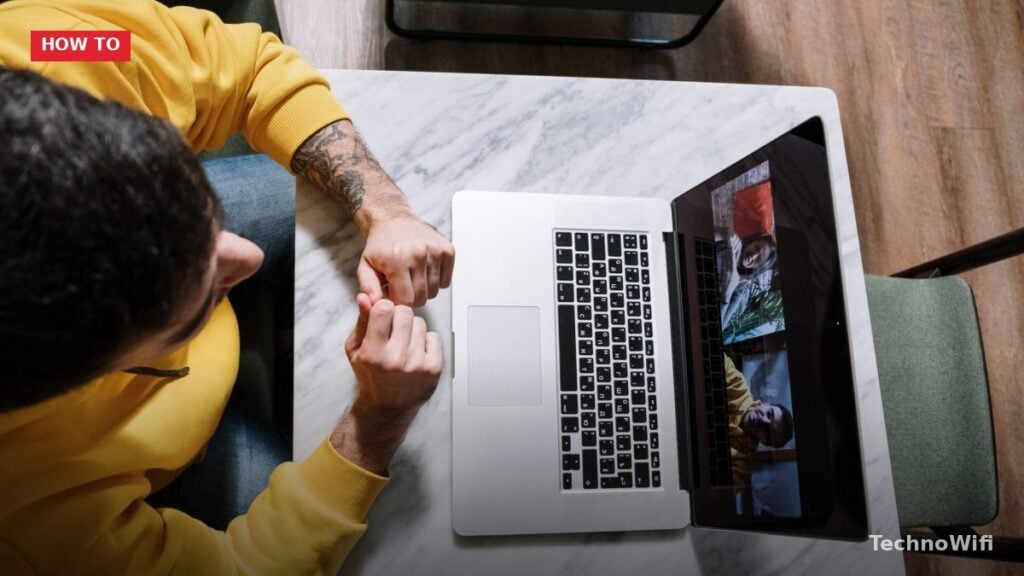
Most laptops come with a built-in webcam that sits idle 90% of the time. With the right software, that webcam can double as a security camera, recording motion events, saving clips to the cloud, and even sending you alerts when something moves in the frame. You don’t need to buy a dedicated camera or subscription service. Your laptop already has the hardware. All you need is the right app and a few minutes of setup.
If you want to go even further and build a standalone device, check out our guide on how to make a spy camera from scratch.
Best Free Software for Webcam Recording
There are several solid options depending on your operating system and what you want to do with the footage.
iSpy (Windows, Free and Open Source)
iSpy is the best free option for turning a laptop webcam into a security camera on Windows. It supports motion detection, scheduled recording, email alerts, and even remote viewing through the iSpy Agent cloud platform. You can set up multiple camera feeds, adjust sensitivity thresholds for motion detection, and configure recording schedules down to the minute.
After installing iSpy, add your webcam as a video source. Under the motion detection tab, choose the detection method (two-frame comparison works well for most rooms) and set the sensitivity level. Start with 60% sensitivity and adjust from there. If you set it too high, you’ll get false triggers from shadows or lighting changes.
Yawcam (Windows, Free)
Yawcam is a lighter alternative to iSpy. It’s a Java-based app that handles motion detection, time-lapse recording, and FTP uploads. The interface is basic, but it does what you need without eating up system resources. Yawcam works well on older laptops that might struggle to run iSpy’s full feature set.
Setup is simple: select your webcam, enable motion detection, and pick a save folder. You can also have it upload snapshots to an FTP server at set intervals, which is a straightforward way to back up footage to a remote location.
OBS Studio (Windows, Mac, Linux, Free)
OBS Studio is primarily a streaming and recording tool, not a security app. But it works surprisingly well for continuous webcam recording. Add your webcam as a source, set the output format to MP4 or MKV, and hit record. OBS won’t do motion detection on its own, but it gives you full control over video quality, resolution, and encoding settings.
For motion detection with OBS, you can pair it with a plugin or run a separate motion-detection script that starts and stops OBS recordings based on movement. It’s more of a DIY approach, but it works if you want high-quality recordings without compression artifacts.
EvoCam (Mac, Paid)
On macOS, EvoCam has been the go-to webcam security app for years. It supports motion detection, email alerts, FTP uploads, and web streaming. The interface is dated, but the motion detection engine is reliable and doesn’t drain your MacBook’s battery as fast as OBS would.
EvoCam costs around $30 for a license, but it’s a one-time purchase with no subscription. For Mac users who want a set-it-and-forget-it option, it’s worth the price.
Setting Up Motion-Detection Recording
Motion detection is what turns a webcam from a passive recorder into something that only captures footage when it matters. Instead of recording eight hours of an empty room, you get short clips of every event that triggered the sensor.
Sensitivity settings control how much movement is needed to start recording. Too low, and you’ll miss events. Too high, and every shadow, cloud passing a window, or house pet will set it off. Start at a medium level (around 50 to 70% in most apps) and review the first few triggers to see if you need to adjust.
Detection zones let you draw a box around the area you care about. If your webcam can see a window where trees move in the wind, exclude that area from the detection zone. Focus on doorways, desks, or whatever you’re actually monitoring.
Pre-buffer recording is a feature in iSpy and some other tools that keeps a few seconds of footage in memory at all times. When motion is detected, it saves the buffer along with the new recording, so you get context for what happened just before the trigger.
Scheduling and Hiding the Recording Window
Most webcam security apps let you schedule when recording is active. In iSpy, go to the scheduler and set time blocks for when you want motion detection running. For example, you could set it to record only during work hours or only at night.
If you want the recording to run without anyone noticing, you need to hide the app window. On Windows, most apps can be minimized to the system tray. iSpy has a “minimize to tray” option in its settings. You can also launch the app at startup using Windows Task Scheduler, so it runs silently in the background every time the laptop boots.
On Mac, EvoCam can run as a background process without showing a dock icon. Go to the app preferences and enable the option to hide from the dock. The webcam’s activity light will still turn on while recording. On most laptops, there is no software way to disable that indicator LED, as it’s hard-wired to the camera hardware for privacy reasons.
Cloud Backup and Remote Viewing
Storing footage only on the laptop is risky. If someone takes the laptop, they take the recordings with it. Cloud backup fixes that problem.
iSpy Agent offers cloud storage through their platform. You can view live feeds and recorded clips from any browser by logging into your iSpy account. The free tier has limitations on storage and the number of cameras, but it’s enough for a single webcam setup.
Google Drive or Dropbox sync is another approach. Set your recording output folder to a synced cloud folder, and every clip gets uploaded automatically. This works with any recording software, including OBS and Yawcam.
FTP upload is available in both Yawcam and EvoCam. If you have web hosting or a NAS with FTP access, you can push snapshots or clips to a remote server on a schedule.
For remote viewing on the go, iSpy Agent’s web interface works on phones and tablets. You can check your feed, review recent clips, and adjust settings from anywhere with an internet connection.
Free vs. Paid Software Options
For most people, iSpy (Windows) or the OBS workaround covers everything you need at no cost. Free tools handle motion detection, recording, scheduling, and basic cloud backup.
Paid options like EvoCam (Mac) or iSpy Agent’s premium plan add convenience features: better cloud storage, cleaner remote viewing interfaces, and priority support. If you’re setting up a laptop camera for serious home monitoring, the paid tiers are reasonable. But for a quick room-monitoring setup or checking on a pet while you’re out, free software does the job.
Legal Considerations You Need to Know
Recording video in your own home, office, or private space is legal in most places. You are allowed to monitor your own property. But there are lines you cannot cross.
Don’t record areas where people expect privacy. Bathrooms, bedrooms used by guests, and changing areas are off limits, even in your own home. Pointing a laptop camera at a roommate’s private space without their knowledge can violate state or local privacy laws.
Audio recording laws vary by location. Some states and countries require all-party consent for audio recording, meaning everyone in the room must know they’re being recorded. If your webcam captures audio, check your local laws. Many webcam security setups are safer with the microphone disabled.
Workplace recording is tricky. If you want to monitor your desk at work, check company policy first. Recording in a workplace you don’t own typically requires employer approval and may need employee notification depending on local regulations.
As long as you stick to recording your own space and are upfront with people who live or work there, you’ll stay on the right side of the law.