How to Use Canon PowerShot SX70 HS
The Canon PowerShot SX70 HS is a bridge camera built around one standout feature: a 65x optical zoom lens that covers 21mm to 1365mm (35mm equivalent). That’s an enormous range packed into a body that weighs about 610 grams. Beyond the zoom, you get a 20.3-megapixel CMOS sensor, 4K video recording, RAW shooting, a vari-angle touchscreen, an electronic viewfinder, and full manual exposure control.
If you want one camera that handles wide landscapes and extreme telephoto wildlife shots without swapping lenses, the SX70 HS delivers. This guide covers the settings and techniques that help you get the most from it.
Getting Started
Battery and Memory Card
The SX70 HS uses the NB-13L rechargeable lithium-ion battery, which delivers about 325 shots per charge. Charge it fully before your first session. A spare battery is worth carrying if you shoot a lot of video or plan a full day outdoors.
Slide an SD, SDHC, or SDXC card into the slot. For 4K video and burst shooting, use a UHS Speed Class 3 (U3) card with at least 30 MB/s write speed. Slower cards can cause recording to stop mid-clip.
First Power-On
Turn the camera on and set the date, time, and time zone when prompted. These get stamped into every file’s metadata and help keep your photo library organized.
The 65x Zoom
The zoom range is the SX70 HS’s defining feature. At 21mm, the lens captures wide scenes with plenty of context. At 1365mm, you can fill the frame with subjects that are barely visible to the naked eye. Birds, aircraft, the moon, distant wildlife, or sports action from the far side of a field all become reachable.
Use the zoom lever around the shutter button for smooth, variable-speed zooming. A light touch zooms slowly for precise framing. A firm push zooms quickly to jump between wide and telephoto.
Framing Assist
At extreme zoom, even small hand movements send your subject flying out of frame. The Framing Assist buttons on the side of the lens barrel help. Press and hold the Search button to temporarily zoom out so you can reacquire your subject. Release it, and the camera zooms back to your previous position. The Lock button holds your current zoom level so you don’t accidentally bump it while shooting.
Image Stabilization
The SX70 HS has a 5-axis Intelligent IS system that detects the type of movement (panning, tilting, macro, handheld video) and applies the right correction. At 1365mm, IS is critical. Without it, camera shake makes sharp handheld shots nearly impossible at full zoom. Even with IS active, bracing the camera on a solid surface or using a tripod gives the sharpest results at the telephoto end.
Shooting Modes
Auto: The camera picks everything. Point and shoot. Works well for quick snapshots.
P (Program AE): Camera sets aperture and shutter speed. You can shift the combination and control ISO, white balance, and other settings.
Av (Aperture Priority): You set the aperture, camera picks shutter speed. The aperture range is f/3.4 at wide to f/6.5 at full zoom, so the range is limited compared to interchangeable-lens cameras. But adjusting within that range still affects exposure and depth of field.
Tv (Shutter Priority): You pick the shutter speed, camera handles aperture. Use 1/500+ to freeze action at the telephoto end. Use 1/30 or slower for motion blur at the wide end.
M (Manual): Full control. The exposure indicator on screen shows your exposure level. Pair Manual mode with Auto ISO for a flexible setup where you control depth of field and motion while the camera manages brightness.
Scene Modes: Presets for Portrait, Landscape, Sports, Night Scene, Handheld Night Scene, and more. These adjust multiple settings at once for specific situations.
Electronic Viewfinder
The built-in EVF with 2.36 million dots activates automatically when you bring the camera to your eye. In bright sunlight, the EVF is much easier to see than the rear LCD. It also gives you a more stable shooting position, which matters at long zoom settings. The diopter adjustment dial next to the eyepiece lets you fine-tune the viewfinder to match your eyesight.
4K Video
The SX70 HS records 4K (3840×2160) at 30 fps and Full HD at 60 fps. The full 65x zoom is available during video recording, though zoom speed is reduced to minimize motor noise. The 5-axis IS works during video, which helps smooth out handheld footage.
There’s a 3.5mm external mic input for better audio. The built-in stereo mic picks up ambient sound reasonably well, but an external mic is strongly recommended for anything beyond casual clips.
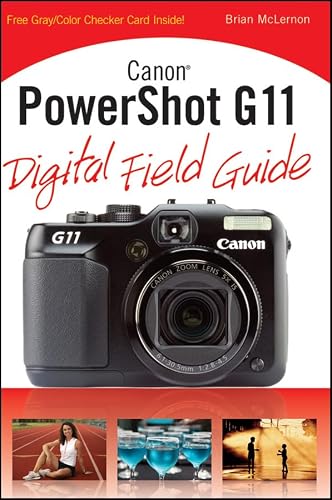
Also check out our How to Use Canon G11 guide for another Canon compact walkthrough.
RAW Shooting
The SX70 HS can save images in RAW (CR3) format, which is uncommon for bridge cameras. RAW files preserve all sensor data, giving you more flexibility to adjust exposure, white balance, and color in post-processing. Set Image Quality to RAW or RAW+JPEG in the Shooting menu. RAW files are larger (about 25 MB each), so make sure your memory card has enough room.
Autofocus
The SX70 HS uses contrast-detection AF with 9 focus points. It locks focus reasonably quickly in good light. In dim conditions or at extreme zoom, focus speed slows down. For the fastest, most accurate results, use the center focus point. One-Shot AF locks on half-press for still subjects. Servo AF tracks moving subjects continuously.
Tips for Better Results
Moon: Manual mode, zoom to 1365mm, ISO 100, f/6.5, shutter speed around 1/250. Use a tripod. The SX70 HS can capture surprisingly clear lunar detail.
Birds and Wildlife: Tv mode at 1/500 or faster, Servo AF, continuous shooting. Use Framing Assist to track the subject. Brace the camera whenever possible.
Landscapes: Wide end (21mm), Av mode at f/5.6 to f/8, ISO 100. Use the tripod socket and 2-second timer for the sharpest results.
Sports: Tv mode at 1/1000+, Servo AF, high-speed continuous drive. The 10 fps burst rate captures fast action well.
Video: 4K at 30p for the best detail. Use Movie IS (Enhanced) for smoother handheld footage. An external mic improves audio dramatically.
Final Thoughts
The Canon PowerShot SX70 HS puts 21mm-to-1365mm zoom range, 4K video, and RAW shooting into a single compact body. For photographers who want reach without carrying a bag of lenses, it’s one of the best options available. Learn the Framing Assist controls, practice stabilization at full zoom, and this camera will handle everything from wide landscapes to distant wildlife.