Canon 80D Face Tracking: How to Use It for Better Portraits
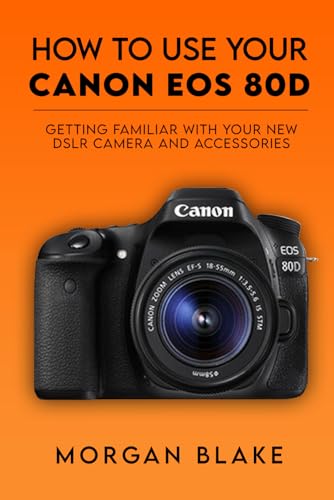
Canon 80D face tracking is one of the most useful autofocus features on this camera, yet many photographers never explore it beyond the default settings. The Face+Tracking AF mode uses the 80D’s Dual Pixel CMOS AF system to detect human faces in the frame and keep them in sharp focus, even as your subject moves around.
Whether you’re shooting portraits, recording video, or capturing candid moments at events, understanding how face tracking works will help you nail focus more consistently. Let’s walk through the setup, practical techniques, and real-world tips.
How Canon 80D Face Tracking Works
The Canon 80D’s Face+Tracking AF mode is available exclusively in Live View (rear LCD shooting) and video mode. When activated, the camera scans the frame for face-shaped patterns, prioritizing skin tones and facial proportions. Once a face is detected, a white tracking box appears around it on the LCD screen.
Half-pressing the shutter button (or tapping the screen with Touch Shutter enabled) locks focus on the detected face. The tracking box turns green to confirm successful focus acquisition. As your subject moves within the frame, the tracking box follows them, continuously adjusting focus to keep the face sharp.
What Happens When No Face Is Detected
If the camera doesn’t find a face in the frame, Face+Tracking mode falls back to general subject tracking. You can tap any object on the touchscreen, and the camera will attempt to follow that object as it moves. This makes the mode useful beyond just portrait work, it can track pets, vehicles, or other moving subjects.
How to Enable Canon 80D Face Tracking
Setting up face tracking on the 80D takes just a few steps:
First, switch to Live View by pressing the Live View button on the back of the camera (the button with the camera icon near the LCD). The rear screen will activate and show your scene.
Next, press the AF point selection button, the small rectangular button near the upper-right corner of the rear panel. Cycle through the available AF modes until you see the face detection icon (a rounded rectangle with a small face symbol). Alternatively, press the Q button to open the quick menu, navigate to AF Method, and select Face+Tracking from the options.
Once selected, you’ll see a tracking frame appear on the LCD whenever the camera detects a face. That’s it, you’re ready to shoot.
Tips for Better Face Tracking Results
Lighting Makes a Huge Difference
The 80D’s face detection algorithm works best with even, front-facing light on your subject. Harsh side lighting, extreme backlighting, or very dim conditions can confuse the system. If you’re indoors, try positioning your subject near a window for soft, natural light. Outdoors, open shade provides the most consistent face detection performance.
Face Angle and Visibility
Face tracking works most reliably when your subject is looking toward the camera with both eyes visible. Three-quarter views work well too, but extreme profiles (side views) can cause the camera to lose detection. If your subject turns away briefly, the camera may switch to general tracking before reacquiring the face when they turn back.
Selecting a Specific Face in Groups
When photographing groups, the 80D typically prioritizes the largest or closest face in the frame. If you want to focus on a specific person, simply tap their face on the touchscreen. The camera will lock onto that individual and track them instead of auto-selecting.
Combine with Touch Shutter for Speed
Enable Touch Shutter mode for the fastest face-tracking workflow. With Touch Shutter active, a single tap on a detected face will simultaneously lock focus and fire the shutter. It’s incredibly intuitive and works particularly well for candid photography where moments happen quickly.
Canon 80D Face Tracking vs. FlexiZone AF Modes
Understanding when to use Canon 80D face tracking versus the other Live View AF modes helps you choose the right tool for each shooting situation.
Face+Tracking vs. FlexiZone – Single
FlexiZone – Single gives you a single AF point that you position manually. It’s more precise than face tracking for non-portrait subjects, landscapes, products, macro photography. But for any shot involving people, Face+Tracking saves time by automatically finding and following faces instead of requiring you to manually reposition the AF point.
Face+Tracking vs. FlexiZone – Multi
FlexiZone – Multi lets the camera choose from multiple AF points across a wider area. It’s faster for general shooting, but it doesn’t specifically prioritize faces. In a scene with a person standing near a textured wall, FlexiZone – Multi might lock onto the wall instead of the face. Face+Tracking avoids this problem by deliberately seeking out facial features.
Limitations to Be Aware Of
The 80D’s face tracking, while effective, has some limitations worth knowing about. Detection speed slows down significantly in low light, in very dim environments, you may be better off using FlexiZone – Single with manual point placement. The system can also be tricked by face-like patterns in the background (posters, paintings, sculptures), occasionally locking onto those instead of your real subject.
During video recording, continuous face tracking works but can occasionally produce visible focus hunting (the lens racking back and forth briefly). Using STM or nano-USM lenses minimizes this behavior since they’re designed for smooth, quiet autofocus during video.
Best Lenses for Face Tracking on the 80D
Any EF or EF-S lens works with the 80D’s face tracking system, but some perform better than others. The Canon EF 50mm f/1.8 STM is an affordable portrait lens that pairs beautifully with face tracking, fast, accurate, and nearly silent. The EF-S 18-135mm f/3.5-5.6 IS USM is the ideal all-purpose choice, offering zoom flexibility with fast, smooth autofocus. For dedicated portrait work, the EF 85mm f/1.8 USM delivers gorgeous background blur with reliable face detection performance.
Wrapping Up
Canon 80D face tracking transforms portrait photography and video work by automating what used to be a manual, focus-and-recompose process. Once enabled, it lets you concentrate on composition, expression, and timing rather than worrying about whether focus is on your subject’s eye or their ear.
Take a few minutes to practice with it in different lighting conditions and with moving subjects. Once face tracking becomes second nature, you’ll wonder how you ever shot portraits without it.