How to Use a Dash Cam
Knowing how to use a dash cam properly can save you a lot of trouble on the road. A dash cam, or dashboard camera, is a practical tool for any car owner. It records audio and video while you drive, giving you a way to document what happens inside and outside the vehicle. These devices have become increasingly popular in 2026 for safety, legal protection, and even capturing scenic drives.
Who Should Use a Dash Cam
Dash cams are useful for a wide range of drivers, including:
- Regular commuters
- Driving instructors
- Bus drivers
- Taxi and rideshare drivers
- Police officers
Most dash cams are mounted on the dashboard, though some models can also connect to recorders and GPS devices for added functionality.
How to Choose a Dash Cam
Picking the right dash cam comes down to understanding what you need it for. Are you looking for evidence in case of an accident, or do you want to capture footage of scenic road trips? Your answer will shape the type of camera you choose. Video quality, your budget, and compatibility with your vehicle are all key factors to consider.
How to Use a Dash Cam: Installation Steps
Installing a dash cam is straightforward and involves four main steps:
For the complete picture, our Canon 1d mark iii autofocus settings guide fills in the gaps.
1. Insert the Memory Card
Start by inserting a memory card into the designated slot on the dash cam. Make sure the card has enough storage for the amount of recording you plan to do.
2. Attach the Dash Cam to the Dashboard
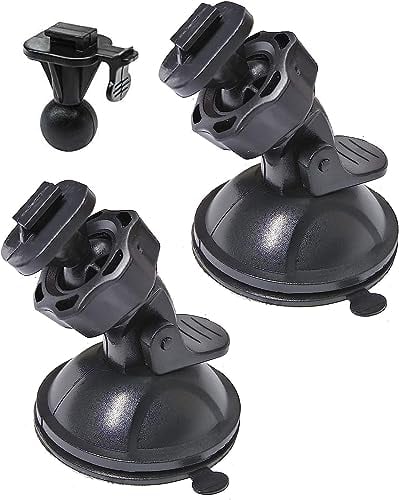
Follow the installation guide that came with your dash cam. Depending on the model, you may need to secure the device using a suction cup or a holder with double-sided tape.
3. Plug in the Power Cord
Dash cams need a power source to operate. Connect the power cord to the camera and plug it into your vehicle’s power supply. This keeps the camera running and the battery charged.
4. Check the Recording Light
An indicator light on the dash cam will show when it is actively recording. Check your user manual to understand what each light means and confirm the device is working properly.
How to Use a Dash Cam: Understanding the Features
Read your user manual to get familiar with your dash cam’s features. Important things to look into include the recording limit, video segment length settings, and loop recording capability. Loop recording automatically overwrites the oldest footage when the memory card is full, so you always have recent footage available.
We break down motovlogging camera in a separate post that complements this one.
How to Use a Dash Cam: Common Uses
Evidence in Disputes
In legal situations, dash cam footage can serve as strong evidence. Having a clear recording of an incident can save you time, money, and legal headaches.
Holding Reckless Drivers Accountable
Dash cams let you document dangerous driving by others. This can improve road safety and give you proof if you need to report someone’s behavior.
Recording Road Trips
Beyond safety, dash cams are a great way to capture memorable moments from your road trips. The footage can be used for personal keepsakes or even creative video projects.
Preventing Parking Incidents
For new and experienced drivers alike, dash cams with parking mode can help identify who is responsible for parking lot damage and prevent future incidents.
Final Thoughts
A dash cam is a smart investment for documenting your drives and protecting yourself in disputes. Choosing the right model and learning how to use a dash cam properly can contribute to safer driving and may even help lower your insurance costs over time.