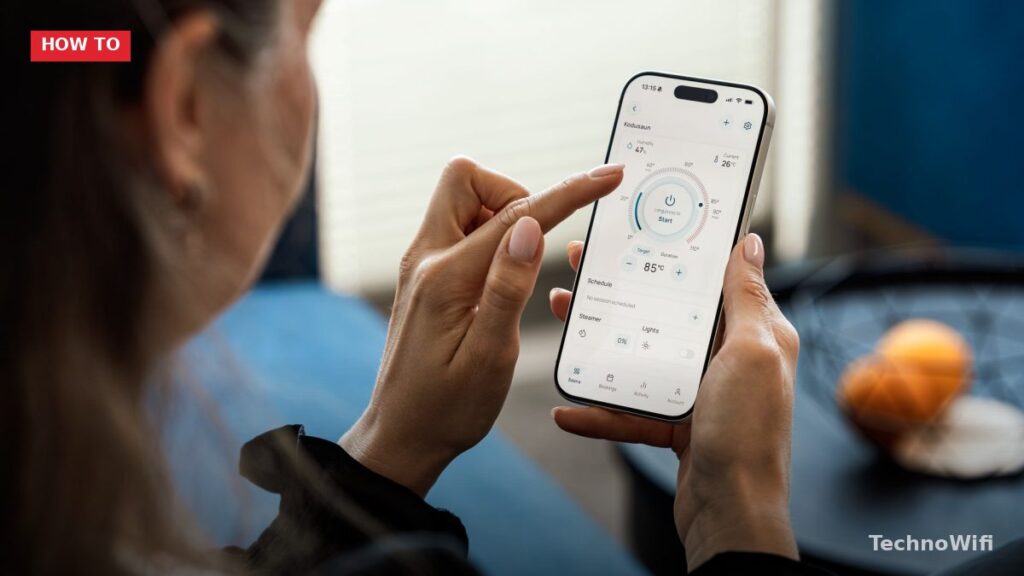
Before setting up your Nest outdoor camera, make sure you’ve connected it to the Nest App first. The physical installation goes much smoother when the camera is already paired with your account and connected to Wi-Fi. This guide covers everything you need for a clean, working installation in 2026.
Recommended Steps for Installing a Nest Outdoor Camera
Step 1. Getting Started
Start by picking the spot where the Nest camera needs to be mounted. Bring your phone to that location and check the Wi-Fi signal. This quick test tells you whether the camera will get a reliable connection there. If the signal is weak or nonexistent, try a different spot.
Think about how the power cable will reach the nearest outlet. The Nest outdoor camera box includes cable clips that help you secure the wires along walls and surfaces, keeping everything tidy and safe from damage.
Also check for direct sunlight exposure. Extended sun exposure can cause the camera to overheat, so a shaded location is a better choice. The user manual has additional safety guidelines worth reviewing.
When choosing a location, think about what you want the camera to see. Front doors, driveways, side gates, and backyards are the most popular spots. Position the camera so it covers the widest area possible without too much dead space in the frame.
Keep the camera at a height of about 7 to 10 feet. This gives you a good angle for identifying faces while keeping the camera out of easy reach. Pointing the camera slightly downward usually provides the best coverage.
Inside the box, you’ll find the mounting magnet, adapter, camera wall plate, wall screws, wall anchors, and cable clips. You’ll also need a screwdriver, drill, and hammer for the installation.
Step 2. Mounting the Camera
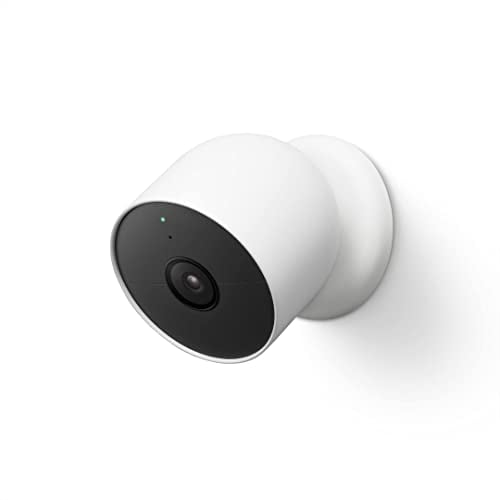
The Nest outdoor camera uses a mounting magnet for flexible positioning. The back of the camera snaps onto a double-sided magnet, making it easy to adjust until you get the right field of view.
If the camera ends up upside down, just rotate it on the mounting magnet to fix the orientation.
When there’s no metallic surface available, the metal wall plate works with the mounting magnet so the camera can still be attached and rotated as needed.
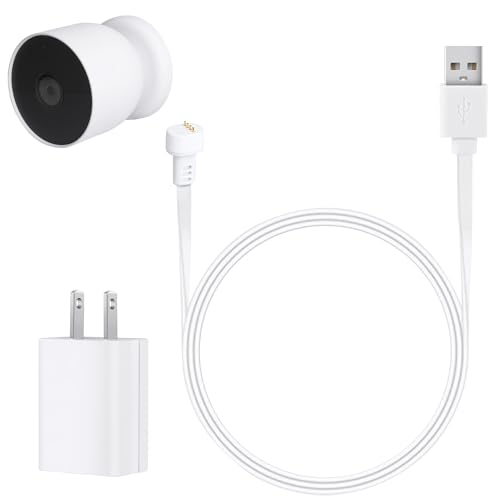
Next, connect the camera to the power adapter using the USB connector, then plug the adapter into a power outlet. Check Wi-Fi coverage by pointing the camera at your target area and using the Nest app to view the live video feed.
If the camera won’t connect through the Nest app, try moving to a location with better Wi-Fi signal or adding a Wi-Fi extender.
To install the wall plate, peel off the protective sticker and backing foam. Drill pilot holes before screwing the wall plate in place. For stone or brick surfaces, use the included wall anchors. Hammer them into the drilled holes before attaching the wall plate with screws.
Once you’re happy with the camera’s position, secure the mounting magnet to the wall plate. Then attach the Nest outdoor camera and route the cable using the included clips.
Finally, remove the lens sticker from the camera and test the feed. Protect the power adapter and cable with the cable clips. You can even paint the clips and cables to match your home’s exterior, but don’t paint the camera itself since that can affect performance.
Step 3. Testing the Camera
With your Nest outdoor camera installed, open the Nest app and make sure you’re getting the field of view you want from the live video stream. Adjust the camera angle if needed by rotating it on the mounting magnet.
Walk through the camera’s field of view and check the motion detection sensitivity in the app. You can set activity zones to focus on specific areas, like a walkway or driveway, while ignoring areas with frequent movement like a busy street.
Test the night vision by checking the feed after dark. The Nest outdoor camera has infrared LEDs that provide clear black-and-white footage in low light. If the night vision image looks washed out, there may be a reflective surface nearby causing glare. Adjust the angle to avoid pointing directly at shiny objects.
Check the user manual for troubleshooting tips, or contact Nest customer support if you run into problems.
Power and Cable Management Tips
The Nest outdoor camera requires a constant power connection, so cable management is an important part of the installation. A messy cable run looks bad and can also be a safety hazard.
Route the cable along the edges of walls, door frames, and trim pieces where it’s less visible. Use the included cable clips every 12 to 18 inches to keep the cable secure. If the cable needs to cross an open span, consider using cable raceway channels that match your wall color.
The power adapter should be plugged into a GFCI-protected outlet, especially for outdoor installations. This type of outlet shuts off power automatically if it detects a ground fault, protecting both the camera and your home’s electrical system.
If no outdoor outlet is available near the mounting location, you may need to hire an electrician to install one. Running extension cords to power a security camera is not recommended for permanent setups since they can be a fire hazard and are easily unplugged.
Google Home Integration
Nest cameras work directly with the Google Home app, which has replaced the standalone Nest app for most features in 2026. Through Google Home, you can view live feeds, review recorded events, and adjust camera settings from your phone or tablet.
If you have a Google Nest Hub or Nest Hub Max, you can view your camera’s live feed on the display by saying “Hey Google, show me the front yard” or whatever name you gave the camera. This is especially convenient for quick check-ins without pulling out your phone.
Google Home also lets you set up automations. For example, you can create a routine that turns on outdoor lights when the camera detects motion at night. Or you can have the camera’s feed automatically appear on your Nest Hub when someone rings a Nest Doorbell.
Nest Aware Subscription Plans in 2026
While the Nest outdoor camera works without a subscription for basic features like live viewing and motion alerts, a Nest Aware plan adds real value.
The standard Nest Aware plan stores event-based video history for 30 days and costs a monthly fee. It also includes intelligent alerts that can tell the difference between people, animals, and vehicles, which cuts down on unnecessary notifications.
Nest Aware Plus extends video history to 60 days and adds 24/7 continuous recording. The camera records everything, not just motion events, giving you a complete timeline of activity.
Both plans include familiar face detection, which learns to recognize people over time and can label them in your event history.
Weatherproofing and Maintenance
The Nest outdoor camera is rated for weather exposure, but a few maintenance steps will keep it running reliably for years.
Clean the lens every few months with a soft, lint-free cloth. Dust, cobwebs, and water spots can reduce image quality, especially at night when the infrared LEDs are active.
Check the cable clips and mounting hardware periodically. Wind, rain, and temperature changes can loosen screws and clips over time. A quick inspection twice a year is usually enough.
During winter, clear any ice or snow buildup around the camera and its mounting plate. While the camera can handle freezing temperatures, heavy ice can block the lens or put strain on the mounting hardware.
Troubleshooting Installation Issues
Here are quick fixes for the most common installation problems.
Camera shows offline in the app: Check the power connection and Wi-Fi signal. Move the camera closer to the router temporarily to see if the issue is signal-related. If it is, add a Wi-Fi extender near the camera’s permanent location.
Poor video quality: Clean the lens and check your internet upload speed. The Nest outdoor camera needs at least 2 Mbps upload for smooth 1080p streaming.
Motion alerts not working: Make sure activity zones are configured correctly in the app. Check that notifications are enabled both in the Google Home app and in your phone’s settings.
Night vision looks blurry: Wipe the lens clean and check for nearby reflective surfaces that might cause glare from the infrared LEDs.
The Bottom Line on Installing a Nest Outdoor Camera
Installing a Nest outdoor camera is a straightforward project as long as you have the right tools and accessories. Take your time with the mounting and cable management, and test everything through the app before you call it done. Drop a comment below if there’s a specific device you’d like us to cover in a future post.