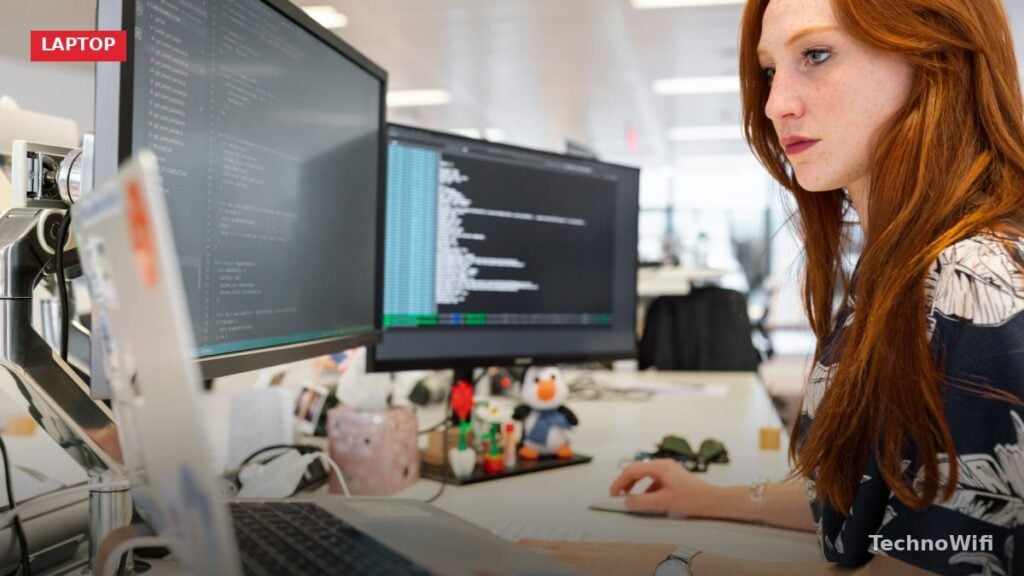
Connect 3 Monitors to a Lenovo Laptop Docking Station
Running a triple-monitor setup through a Lenovo laptop docking station can seriously change how you multitask. Whether you’re juggling spreadsheets, Zoom calls, and email or running design tools side by side, three screens give you the room to spread out.
A docking station is a device that lets you plug multiple peripherals into your laptop through a single connection point. You connect or disconnect the laptop from the dock using either a docking port or one cable.
What you need before getting started
The Lenovo docking station (below) is a quick, reliable way to connect three monitors to a Lenovo laptop.
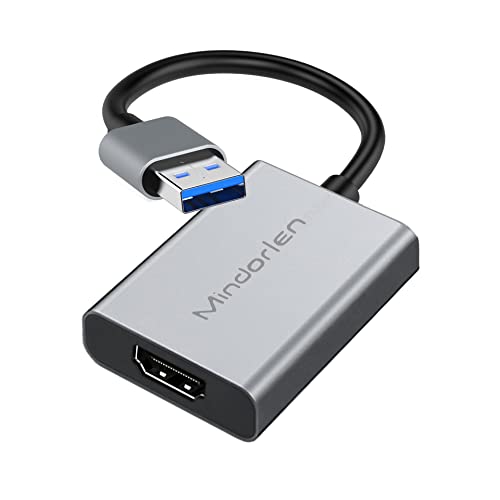
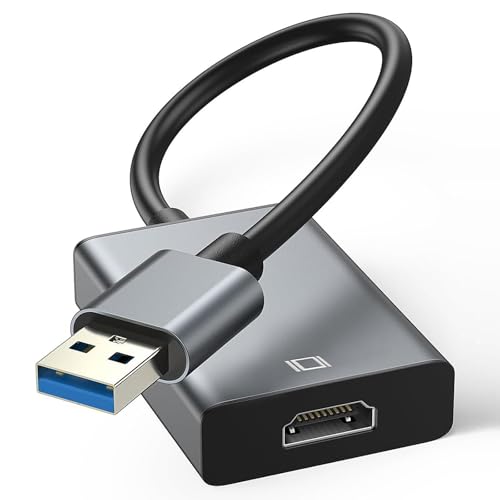
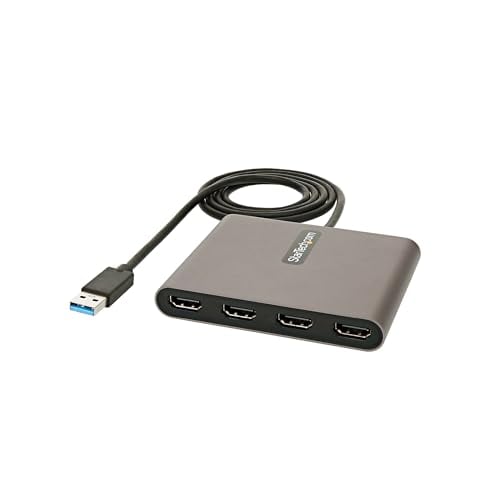
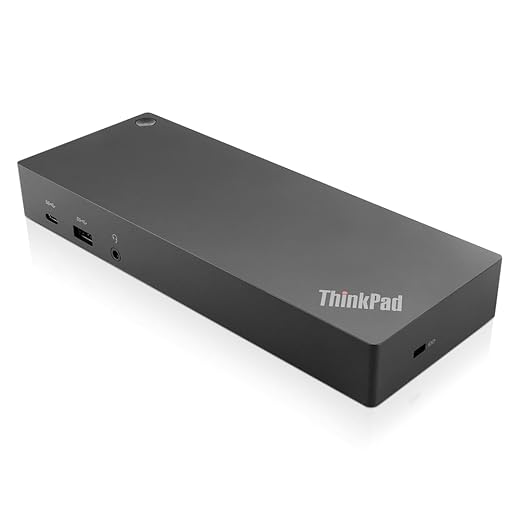
The number of available VGA, HDMI, DVI, and DisplayPort outputs on your dock determines how many screens you can run. Some setups work through USB 3.0 adapters, but things can get messy when you’re trying to manage several USB ports at once.
Most Lenovo docks support three displays at the same time, typically through two DisplayPort connections and one HDMI port. Keep in mind that not every model pushes 4K resolution across all three screens.
Step 1: Establish the connection
First, check your laptop’s graphics card and docking station specs to confirm they support three simultaneous monitors.
Next, connect the monitors to the docking station using the available DisplayPort, HDMI, DVI, or VGA ports. Then connect your Lenovo laptop to the dock.
Step 2: Set up 3 monitors on Windows
Once you’ve built the connection between your 3 monitors, the docking station, and the laptop, check whether Windows has detected all screens.
If it hasn’t detected a monitor automatically:
- Right-click anywhere on the desktop.
- Select Display settings.
- Scroll to Rearrange your displays.
- Click Detect to find the new monitor.
Split your screen across 3 external monitors
- Right-click anywhere on the desktop.
- Select Display settings.
- Under Multiple displays, select the number of monitors to display (select 3).
- Choose Extend these displays from the dropdown list.
Step 3: Change the display order
To rearrange the monitors, right-click the desktop, open Display settings, and find the Rearrange your displays section. Left-click on the display you want to move and drag it to your preferred position.
Configure graphics on 3 external monitors
- Place the port replicator where you want the monitors set up.
- Connect and plug in the power cable. Plug one end of the DisplayPort cable into the replicator and the other end into the monitor.
- Connect the monitor’s power cable, turn it on, and position it where you’d like.
- Repeat steps 2 and 3 for the remaining DisplayPort monitors.
- With the laptop turned off, dock it on the replicator.
- Power on the system. After Windows loads, you may need to manually configure the displays in Display Settings for all three screens to show output.
- Right-click the desktop, click Graphics properties, and adjust the resolution and position of each external monitor. You can also change the default display to any of the screens.
- Connect one end of the VGA cable to the replicator and the other to the analog VGA monitor.
- Connect the VGA monitor’s power cable, plug it in, turn on the monitor, and position it.
- You can connect an external keyboard and mouse to the replicator. At this point, you’ve connected three monitors with analog input that can replace your laptop’s built-in display.
Close the laptop lid, power it off, then dock the system to the replicator.
Power on the docking station and laptop. If all three external monitors don’t automatically display graphics, configure them in Display Settings. Right-click the desktop, click Graphics properties, and adjust the resolution and display positions.
Final thoughts
Following these steps will get 3 monitors running through your Lenovo laptop docking station. The process is straightforward once you’ve confirmed your dock and GPU support triple displays.
Check this space for more news and updates on your favorite products and devices.
See Also
How to connect Lenovo laptop to monitor