If you need to connect 3 monitors to an HP laptop docking station, you’re in the right place. A docking station lets you run multiple external monitors and peripherals through a single cable. You plug one cable into your laptop and get access to multiple video outputs, USB ports, ethernet, and sometimes audio, all at once.
Can You Connect 3 Monitors to an HP Laptop Docking Station?
Yes, but it depends on which dock you have and what your laptop’s GPU supports. Not every HP dock has three video output ports, and not every HP laptop can drive three external displays. You need to check both sides of the equation.
Docks like the HP USB-C Dock G5, HP Thunderbolt Dock G4, and HP USB-C Universal Dock G2 support multiple monitor outputs through combinations of DisplayPort, HDMI, and USB-C video. The HP Thunderbolt Dock G4, for example, can push video to three displays if your laptop’s Thunderbolt controller supports it.
Adding a webcam? See our webcam monitor mounting guide.
Your laptop’s graphics card also matters. Some HP laptops cap out at two external displays regardless of how many ports the dock offers. Check your laptop’s spec sheet or HP’s support page for the maximum number of supported external displays.
Why Use Three Monitors?
Three monitors give you extra screen space for multitasking. You can keep email on one screen, a spreadsheet on the second, and a video call on the third. It’s popular with traders, developers, and anyone who works with multiple applications at the same time.
A triple display setup also makes reference work easier. Instead of switching tabs constantly, you just glance at the screen you need. Once you’ve worked with three monitors, going back to one feels cramped.
Step-by-Step: Connecting 3 Monitors to Your HP Laptop Dock
Step 1: Check Your Available Ports
Look at the back and sides of your HP docking station. Count the video output ports. Common options include DisplayPort, HDMI, VGA, and USB-C (with DisplayPort Alt Mode). You need at least three video outputs, or two plus a USB display adapter, to hit three monitors.
Also check your laptop’s support documentation. Look for the maximum number of external displays your specific model can drive. This information is usually listed under display specifications on HP’s website.
Step 2: Connect Your Monitors
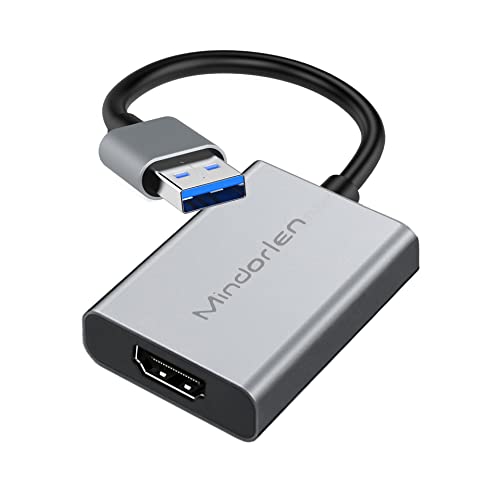
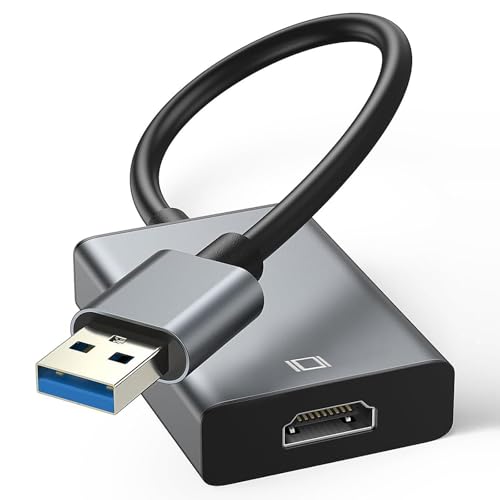
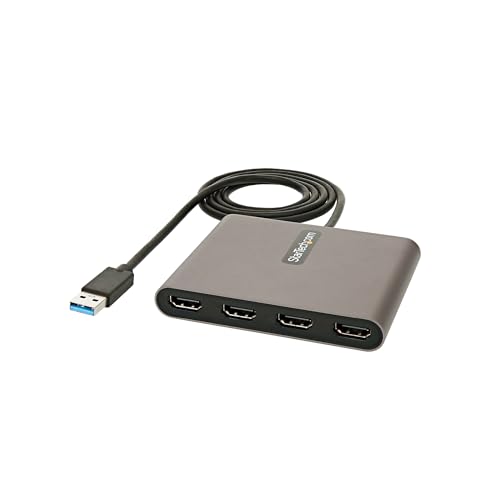
Plug each monitor into a separate video output on the dock. Use the appropriate cable for each port: DisplayPort cable for DisplayPort, HDMI cable for HDMI, and so on. If you’re one port short, a USB display adapter (like a USB-A or USB-C to HDMI adapter with DisplayLink) can add an extra output.
Connect the docking station to your HP laptop using the dock’s USB-C or Thunderbolt cable. Make sure your laptop is recognizing the dock (charging indicator, USB peripherals working).
Step 3: Configure Display Settings
Once all three monitors are physically connected, right-click on your Windows desktop and select Display Settings. You should see rectangles representing each connected display. If a monitor doesn’t appear, click the Detect button.
Under the “Multiple displays” dropdown, select “Extend these displays” to create one wide desktop across all three screens. Click the Identify button to see which number corresponds to which physical monitor, then drag the rectangles to match your desk layout.
Set each monitor to its native resolution for the sharpest image. If your monitors are different sizes, you may need to adjust the scaling percentage so that text and icons look consistent across screens.
Step 4: Check Graphics Card Settings
If a monitor still isn’t showing up, open Device Manager and expand the Display adapters section. Note the model of your graphics card, then visit the manufacturer’s website (Intel, Nvidia, or AMD) to confirm it supports three simultaneous displays.
You should also make sure your GPU drivers are up to date. Outdated drivers are one of the most common reasons a third monitor fails to appear. Download the latest driver from your GPU manufacturer’s support page.
Step 5: Use a USB Display Adapter if Needed
If your dock only has two video outputs, a USB display adapter can fill the gap. Adapters based on DisplayLink technology work through a software driver and add an extra HDMI or DisplayPort output via any available USB port on the dock. DisplayLink adapters work well for office tasks, web browsing, and documents. They’re not ideal for gaming or video editing because of the slight latency from software-based rendering.
Troubleshooting Tips
HP user? See our HP docking station dual monitor setup guide.
Thinking about adding more screens? Our triple monitor setup guide covers everything from hardware to configuration.
If your third monitor stays black or isn’t detected, work through these checks:
- Confirm your laptop supports three external displays (check HP’s spec page for your model).
- Try a different cable. Bad or cheap cables are a common culprit.
- Update your GPU drivers from the manufacturer’s website.
- Switch the monitor’s input source manually (some monitors don’t auto-detect).
- Restart your laptop with all three monitors connected. Sometimes a fresh boot resolves detection issues.
- If using a DisplayLink adapter, make sure the DisplayLink driver is installed and running.