How to Adjust Shutter Speed on Canon 80D
If you’ve recently picked up a Canon EOS 80D and need to know how to change the shutter speed on Canon 80D, you’re in the right place. This 24-megapixel DSLR from Canon gives you several ways to control shutter speed depending on how much manual control you want over your shots.
Own a 5D Mark III? See our 5D Mark III shutter count guide.
For the full Canon mirrorless lineup, see our best Canon mirrorless cameras guide.
Canon released the EOS 80D on February 18, 2016 as a digital single-lens reflex camera. It’s available as a body-only option or in several kit configurations with lenses like the 18-55mm IS STM, the 18-135mm IS USM, or the EF-S 18-200mm IS. Its design and feature set align closely with the Canon EOS 70D at a similar price point. The 80D has solid build quality and performs well across a wide range of shooting conditions, with a precise autofocus system, strong ISO performance, and good dynamic range.
Shutter Speed Options for Canon EOS 80D:
There are several ways to change the shutter speed on the Canon EOS 80D, which also features a handy flip-out touchscreen.
If you’re new to the Canon EOS 80D or to DSLRs in general, the following steps will get you up to speed quickly.
Step-by-Step Guide to Changing Shutter Speed on Canon 80D
Step 1. Program Auto Mode (P)
Start with the Program auto mode (P), where the camera picks the shutter speed for you initially. The Program Shift feature lets you adjust both aperture and shutter speed from that starting point.
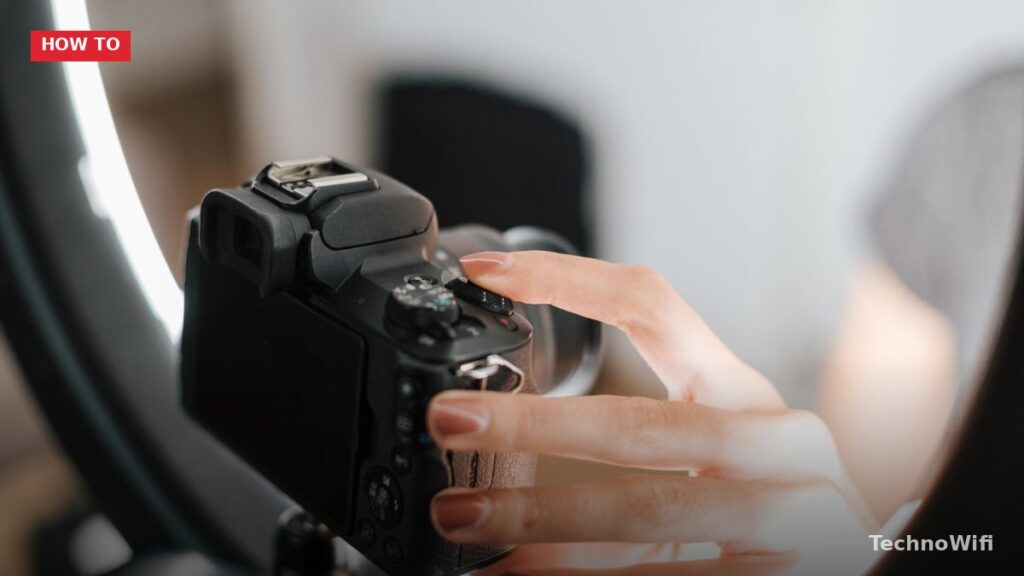
Half-press the shutter button, then rotate the main command dial near the top front of the camera to dial in the shutter speed you want.
This method lets you choose fast shutter speeds to freeze motion or pick an aperture setting that gives you either a shallow or deep depth of field. It’s a great starting point when you want some creative control without jumping straight into fully manual shooting.
Step 2. TV Mode (Shutter Priority)
Switch to TV mode (Time Value, also called Shutter Priority). In this mode, you set the shutter speed and the camera figures out the right aperture based on the available light.
For freezing movement, set the shutter speed to at least 1/200th of a second, and increase it for faster-moving subjects. If the image comes out too dark at your chosen speed, raise the ISO to compensate.
On the other hand, if you want creative motion blur (like silky-smooth flowing water), try a slow shutter speed, something slower than 1/60th of a second. Mount the camera on a tripod so the rest of the scene stays sharp while the moving element blurs. This technique works especially well for waterfalls, streams, and light trails at night.
Step 3. AV Mode (Aperture Priority)
In AV mode (Aperture Value), the camera sets the shutter speed automatically while you control the aperture. This mode is designed specifically for depth of field control with the Canon EOS 80D DSLR.
You won’t have direct control over shutter speed in AV mode, but the camera will choose appropriate speeds based on your aperture selection and the lighting conditions. This is a great mode for portraits, landscapes, and any situation where depth of field matters more than freezing or blurring motion.
Explore the best remote shutter releases for Canon 80D for long exposure work and situations where you need to avoid camera shake.
Quick Tip: Manual Mode (M)
If you want full control over everything, switch to Manual mode (M). Here you set both the shutter speed and the aperture yourself. Rotate the main command dial to change the shutter speed, and hold the Av button while rotating the dial to change the aperture. Watch the exposure meter in the viewfinder to make sure your settings produce a properly exposed image. Manual mode takes more practice, but it gives you complete control in tricky lighting situations.