How to Adjust Canon EOS Rebel T7 Landscape Settings
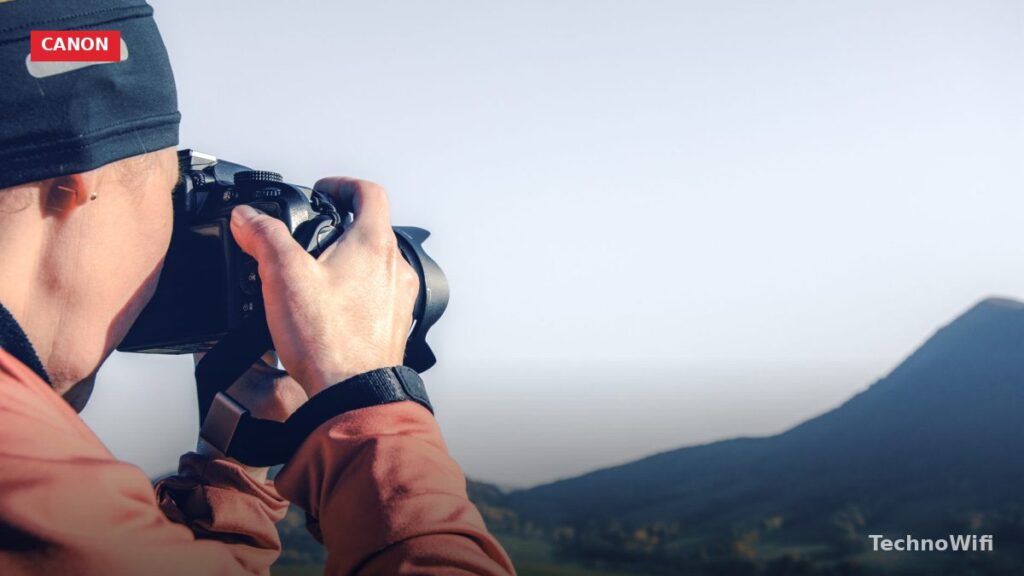
Getting the right Canon EOS Rebel T7 landscape settings makes a big difference when you’re shooting outdoors. Lens choice matters more than almost anything else for this type of photography, and you’ll want to start with the widest angle you can get. Landscapes are unpredictable compared to portraits or product shots, so a wider field of view helps you capture everything the scene has to offer.
The Canon EOS Rebel T7 ships with the EF-S 18-55mm kit lens, which is a decent starting point. But if you want a wider perspective, the Canon EF-S 10-18mm f/4.5-5.6 IS STM is an affordable upgrade that really shines for outdoor scenery. It’s sharp across the frame, has image stabilization, and it won’t break the bank.
Landscape Photography with the Canon EOS Rebel T7
The Rebel T7 is a beginner-friendly DSLR built around a 24.1MP APS-C CMOS sensor paired with Canon’s DIGIC 4+ processor. It shoots at up to 6000 x 4000 pixels and supports multiple aspect ratios including 3:2, 4:3, and 16:9. While it’s not Canon’s newest body, it still handles landscape photography very well when paired with the right lens and settings.
Step 1. Plan Your Time, Day, and Location
Good landscape shots start before you even pick up the camera. Think about where you want to shoot, what direction the light will be coming from, and what time of day will give you the best conditions. Checking a weather app and a sun-position tool like PhotoPills can save you a wasted trip. If you’re visiting a new location, do a quick scout beforehand or look up photos others have taken there to get a sense of the best angles.
Step 2. Wait for the Right Moment
Patience is a big part of landscape photography. Sometimes the difference between a decent photo and a great one comes down to waiting five minutes for a cloud to drift into position or for the sun to dip below a ridge. The essence of great landscape work is timing. Don’t rush your shots. Stay at a location long enough to let the light change and see what happens.
Step 3. Use a Wide-Angle Lens
A wide-angle lens gives you greater depth of field and lets you include both foreground elements and distant backgrounds in sharp focus. Try shooting at f/11 to f/16 for maximum sharpness across the frame. The wider your lens, the more of the scene you can fit in, which is exactly what you want for big open landscapes.
If you need lens recommendations beyond the kit lens, check out our guide to the best Canon lenses for landscape photography.
Step 4. Set Photographic Filters
Filters can make a noticeable difference in your landscape shots. A Neutral Density (ND) filter reduces the amount of light hitting the sensor, which lets you use longer exposures even in bright conditions. This is great for smooth water effects or streaky clouds. A circular polarizer (CPL) cuts reflections and deepens blue sky color. Both are worth keeping in your camera bag.
Step 5. Use a Tripod
A tripod keeps everything stable, especially when you’re shooting at smaller apertures or slower shutter speeds. It’s a must-have for long exposures, and it also forces you to slow down and think more carefully about composition. When using a tripod with the Rebel T7, use the 2-second self-timer to avoid camera shake from pressing the shutter button.
Step 6. Shoot During the Golden Hours
The golden hours (just after sunrise and before sunset) give you soft, warm, directional light that brings out textures and depth in your landscape photos. Shadows get longer, colors get warmer, and the overall mood of your images shifts dramatically. Digital photography gives you the freedom to experiment, so try different exposures and compositions during this window and review them on the spot.
The Canon EOS Rebel T7, first released in February 2018, continues to be a solid entry point for photography enthusiasts in 2026. As part of Canon’s popular EOS Rebel series, it offers a good balance of simplicity and image quality that holds up well for anyone getting into landscape photography.