How to Set Up the Canon 80D Interval Timer
The Canon 80D interval timer is a built-in feature that lets you capture photos at set time intervals automatically. It’s the tool you need for time-lapse photography, construction progress documentation, or any project where you want the camera to fire on its own schedule.
The Canon 80D comes equipped with a 24.2-megapixel APS-C sensor, the DIGIC 6 processor, and a 45-point all-cross-type AF system. But for time-lapse work, the interval timer is the star feature. It also boasts a 7,560-pixel RGB+IR metering sensor that aids in accurate subject tracking. You can set the timer to take a photo every few seconds, every few minutes, or at longer intervals up to almost 100 hours. Here’s how to configure it.
How to Configure the Canon 80D Interval Timer for Outdoor Photography
Step 1: Find and Enable the Interval Timer
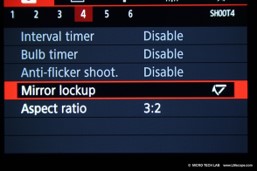
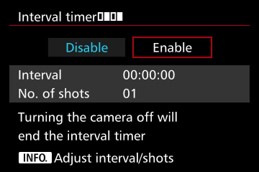
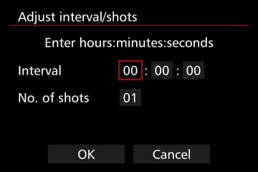
Open the camera’s shooting menu (the red camera icon tabs). Scroll through the options until you find “Interval timer.” Select it and switch it to “Enable.” Press the INFO button to open the detailed settings screen where you can configure the interval duration (hours, minutes, seconds) and specify how many shots you want.
For example, if you’re shooting a cloud time-lapse and want a photo every 5 seconds, set the interval to 00:00:05. If you need 300 frames for a 10-second time-lapse video at 30fps, enter 300 as the shot count.
Step 2: Fine-Tune the Timer Settings
Canon 80D interval timer settings – set the timeThe interval range goes from 00:00:01 (one second) all the way up to 99:59:59 (just under 100 hours). You can set the number of shots from 01 to 99. Setting the shot count to 00 tells the camera to keep shooting indefinitely until you manually stop it or the battery runs out.
A few things to keep in mind when setting up:
The auto power-off function is automatically disabled during interval timer operation, so the camera stays awake the entire time. Make sure your interval is longer than your shutter speed. If you set a 2-second interval but your exposure takes 4 seconds, the camera will skip shots.
If you’re using flash, the interval needs to be long enough for the flash to recycle between shots. A Speedlite typically needs 2-5 seconds to recharge at full power. The interval timer works alongside features like WB bracketing, multiple exposures, HDR mode, and AEB, so you can combine these for creative results.
Image processing time counts against the interval. If the camera is still writing to the card when the next interval fires, that shot may be skipped, potentially reducing the total number of captures. Use a fast SD card (UHS-I Class 10 or better) to minimize write times and avoid missed frames.
Step 3: Use Multi-Shot Noise Reduction for Clean Results
Canon 80D interval timer settings – multi-shot noise reductionIf you’re shooting your time-lapse in low light or at higher ISOs, the Canon 80D’s Multi Shot Noise Reduction feature can help. It captures four consecutive images and merges them into one, averaging out random noise while keeping detail intact. This lets you push the ISO higher without the grain that normally comes with it, which is especially useful for night sky time-lapses or indoor sequences.
Keep in mind that Multi Shot Noise Reduction adds processing time between intervals since the camera is combining four exposures into a single file. Factor that into your interval settings to avoid skipped frames.
Canon 80D Specs for Reference
Released in 2016 as the successor to the 70D, the Canon 80D brought a new 24.2-megapixel sensor and the DIGIC 6 image processor. Its native ISO range runs from 100 to 16,000, with an expanded range up to 25,600, providing flexibility in various lighting conditions. Dual Pixel CMOS AF makes it a capable camera for both stills and video, and the built-in interval timer means you don’t need an external intervalometer for time-lapse shooting.
With the right settings, the Canon 80D’s interval timer opens up a lot of creative possibilities. Sunset clouds, star trails, blooming flowers, busy intersections. Set it up, press start, and let the camera do the work.