PC Gaming Setup for Streaming in 2026
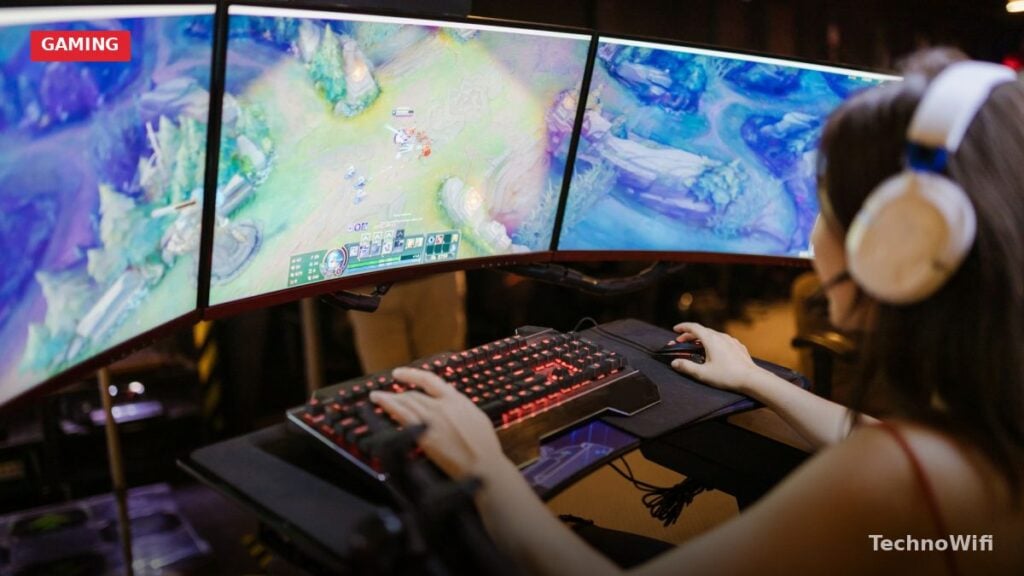
A PC gaming setup for streaming used to be something only hardcore enthusiasts cared about. Not anymore. Live streaming has turned gaming from a bedroom hobby into a real career path, and the barrier to entry keeps getting lower.
Platforms like Twitch, YouTube Gaming, and Facebook Gaming let you share live gameplay, build a community, chat with fellow gamers, and even earn money doing what you love. If you’ve watched Ready Player One, you already have a sense of where this world is heading.
This guide walks you through what you need for a complete setup, how to connect everything, and how to get your audio routed properly. We’ll cover both single-computer and dual-computer configurations, so keep that in mind as you read.
THINGS YOU’LL NEED: (some are optional)
- Computer / Laptop
- Capture Card
- 2 HDMI Cables
- USB Cable
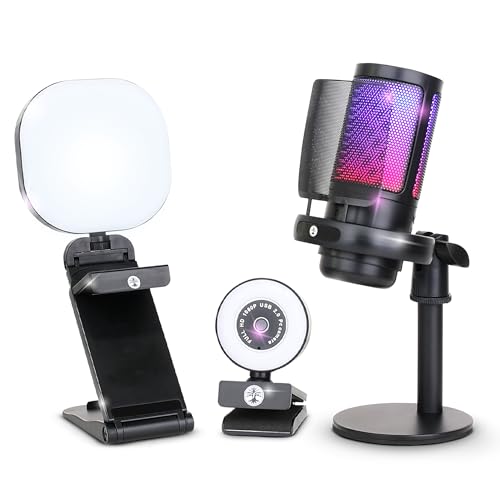
- Webcam
- Mic
- Headset
COMPUTER SETUP
You’ll go with either a single or dual setup.
SINGLE SETUP: You use one computer or laptop for both gaming and streaming. This works, but your machine needs enough horsepower to handle both tasks at the same time.
- RECOMMENDED (at least):
- i7 CPU
- 16 GB RAM
- NVIDIA GTX 970 or higher
DUAL SETUP: You use two computers. One handles the game, the other handles the stream. This frees up your gaming PC so you get smoother gameplay with fewer frame drops.
- RECOMMENDED for your streaming computer (at least):
- i5 4670 or higher
- 8GB RAM
- Quad-core CPU running Windows 10 or newer
- NVIDIA GTX 650 or higher
Whichever route you pick, having two screens or monitors is highly recommended. One for gameplay, one for your streaming dashboard. You can use a TV as your display, though a gaming monitor will give you better response times.
See Also
CAPTURE CARD
DUAL SETUP: A capture card is required. It records your gameplay and sends it to your streaming computer, where your streaming software picks it up and broadcasts it. You’ll need an Elgato Capture Card (HD60 S+, HD60 S, or 4K60 PRO), two HDMI cables, and a USB cable.
SINGLE SETUP: No capture card needed. Everything happens internally on the same machine.
WEBCAM
Any webcam works. For a dual setup, plug it into your streaming computer.
HEADSET
Wireless, wired, Bluetooth, USB, whatever you prefer. We’re fans of the SteelSeries Arctis Pro. It sounds great, installs easily, and has a built-in mic for voice chat. You might also want to browse our list: Best Wireless Gaming Headsets for PC
MICROPHONE
You need a mic to commentate on your gameplay or talk during live streams. USB microphones are the simplest option: just plug them in and go. A lapel or lavalier mic is another easy choice.
How to Set It Up
CAPTURE CARD
DUAL SETUP: If you have an Elgato 4K60 Pro or HD60 Pro, install it in the PCI-E slot on your streaming PC. (These won’t fit in a laptop.)
Connect an HDMI cable from the HDMI output on the back of your gaming computer’s graphics card to the input port on the Elgato capture card. Then run another HDMI cable from the output port on the capture card to the HDMI input on the TV or monitor you’re watching gameplay on.
If you’re using an HD60 S or HD60 S+, plug a USB cable from the capture card into a USB port on your streaming PC or laptop. The HD60 Pro and 4K60 Pro don’t need a USB connection since they’re installed directly inside the computer.
SINGLE SETUP: No capture card required.
HEADSET & MIC
DUAL SETUP: Connect your mic and headset to your gaming computer.
SINGLE SETUP: Plug your headset’s cables or adapters into your computer.
- AUDIO CHECKLIST:
- Make sure your headset volume is turned up.
- Turn off all external speakers and route audio through your streaming/gaming PC.
- If you’re using a laptop for recording, turn down its built-in volume.
- Turn down the volume on any TV or monitor connected to your setup.
- Sound should only come through your headset.
CHAT WHILE GAMING: DISCORD + VOICEMEETER
SINGLE AND DUAL
If you want to chat with friends while playing, install Discord.
- Install Discord or open it in your browser. Create a server and give it a name.
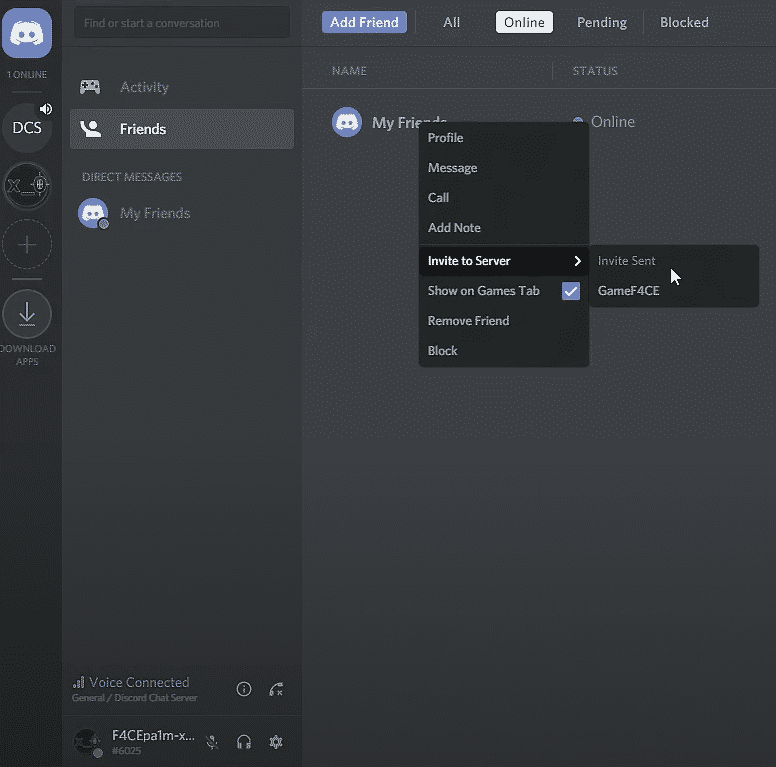
- Click on the main icon, right-click on your friends, and invite them to your server.
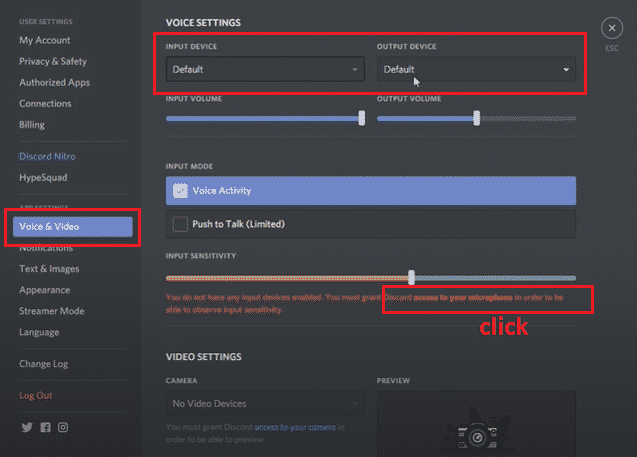
- Go to Discord settings, then VOICE & VIDEO. Set the input and output devices to default.
- If you want to capture only your voice, change the output device to your headset.
- Set input sensitivity to automatic.
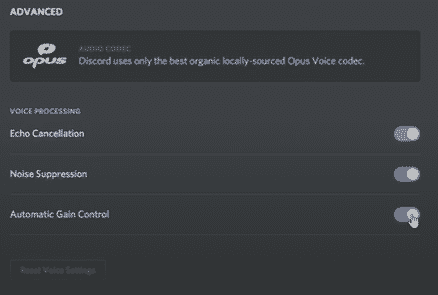
- Under the Advanced section, make sure all options are enabled.
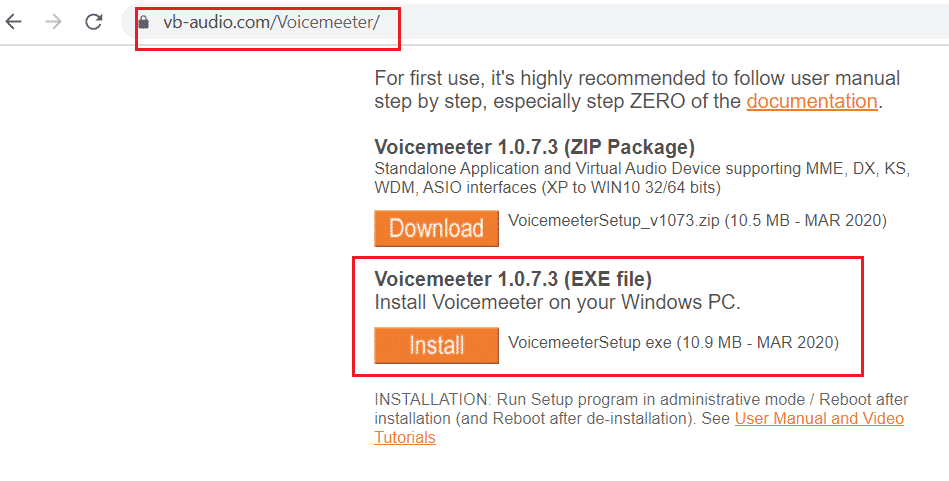
FOR DUAL SETUP ONLY: You’ll also need Voicemeeter to route your game audio and chat to both your headset and your viewers.
- Download and install Voicemeeter, then restart your computer.
- Click the Start button, search for the VB-Audio folder, then open Voicemeeter.
- Set A1 to your headset. Set A2 to the Elgato capture card and make sure this A button is highlighted.
- Go to Settings, then System Settings.
- For OUT A2, click on the number next to the driver. Click OK, then set it to 256.
Voicemeeter is now configured to send game audio to your headphones (so you can hear it) and to your streaming PC (so your viewers can hear it too).
PC SOUND SETTINGS
SINGLE SETUP: Go to your gaming PC taskbar, right-click the speaker icon, choose Sounds, go to the Playback tab, and select your gaming headset or PC headphone output.
DUAL SETUP: Set Voicemeeter as the default playback device. Test by playing music. You should hear it through your headset.
MIC (DUAL SETUP ONLY)
- On the Recording tab, select the mic plugged into your gaming computer and set it as default. To adjust volume, right-click the mic, open Properties, and change the volume levels there.
- On the LISTEN tab, choose your Elgato capture card from the “Playback through this device” menu. Check “Listen to this device,” then click OK. This syncs your voice to the streaming computer so it gets captured along with your gameplay.
RECORDING AND STREAMING
If you only want to record gameplay, fire up the Elgato software on your streaming computer, hit record, then edit and upload your video later. But if you want to go live on a platform like Twitch, YouTube Gaming, or Facebook Gaming, you’ll need a software encoder. Popular options include OBS Studio, Streamlabs OBS, and XSplit, among others.
See Also