Canon 90D vs 80D Compare: Which DSLR Is Right for You?
The Canon 90D vs 80D compare is a question that photographers keep coming back to, and for good reason. Both are excellent APS-C DSLRs from Canon, but the 90D arrived with some meaningful upgrades that put clear distance between the two models. It pairs a 32.5-megapixel sensor with 10 FPS continuous shooting and full 4K video, all packed into a familiar, weather-sealed body.
![Screen Protector for Canon EOS 90D 80D 70D 77D Camera & Hot Shoe Cover [3+2 Pack], ULBTER Tempered Glass 0.3mm 9H Hardness Ultra-clear Anti-Scrach](https://www.technowifi.com/wp-content/uploads/2026/09/screen-protector-for-canon-eos-90d-80d-70d-77d-camera-hot-shoe-cover-32-pack.jpg)
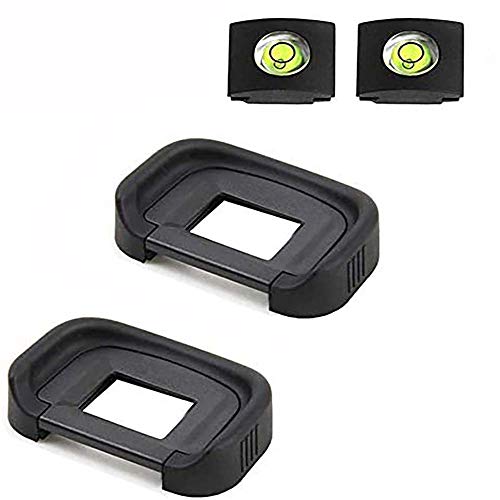
![90D EB Viewfinder Eyepiece Eyecup Eye Cup for Canon EOS 90D/80D/70D/60D/50D/40D/20D/5D Mark ⅡⅠ/6D MarkⅡⅠDigital Camera [2 Packs], Replace Eyepiece EB, Fire Rock Camera Eyecup Accessories EB](https://www.technowifi.com/wp-content/uploads/2026/09/90d-eb-viewfinder-eyepiece-eyecup-eye-cup-for-canon-eos-90d-80d-70d-60d-50d-40d.jpg)
That said, the differences between the two cameras are not night and day. If you are deciding between them, the details matter. Let us walk through the key specs and features to see where each camera stands.
Sensor and Image Processor
Both cameras use Canon’s APS-C sensor format, but the resolution gap is significant. The EOS 80D comes with a 24.2-megapixel sensor, while the EOS 90D jumps up to 32.5 megapixels. That is a roughly 34% increase in resolution, which translates to noticeably more detail and better cropping flexibility.
The 90D also ships with Canon’s newer DIGIC 8 image processor, which handles data faster and enables features like uncropped 4K video. The 80D runs on the older DIGIC 6 processor.
ISO Range
You might expect a higher-resolution sensor to struggle at high ISO values, but the Canon 90D actually matches or beats the 80D in this area. Thanks to the DIGIC 8 processor and improvements in sensor technology, the 90D delivers cleaner high-ISO performance despite having more pixels packed onto the same-size sensor. That means better low-light shooting without as much noise.
If you want to go deeper, we have a separate guide on Canon 90D for vlogging.
Autofocus System
Both DSLRs feature Canon’s Dual Pixel CMOS AF system for live view and video, which is fast and reliable. The viewfinder-based AF uses a 45-point system on both models. However, the 90D’s AF system is a more refined version with improved subject tracking and better face detection, giving it an edge when shooting moving subjects or portraits.
Video Capability
This is where the 90D pulls ahead most clearly. The EOS 90D records 4K video using the full width of the sensor with no crop, which is a big deal for video shooters. The 80D is limited to 1080p recording and lacks any 4K option entirely.
If video is part of your workflow, the 90D is the obvious choice between the two.
Battery Life
Both cameras use the same LP-E6N lithium-ion battery, but they do not get the same mileage from it. The EOS 80D is rated for about 960 shots per charge, while the EOS 90D pushes that to approximately 1,300 shots. That extra endurance makes a real difference during long shoots or travel days when you cannot easily recharge.
Shooting Speed
The 90D is the faster camera by a comfortable margin. It shoots at 10 frames per second in both JPEG and RAW, compared to the 80D’s 7 FPS. In live view, the 80D drops to just 5 FPS continuous shooting, which can feel sluggish for action photography.
For related tips, check out our full guide on 8K video camera.
The 90D also offers an electronic shutter option that pushes speeds up to 1/16,000 of a second. That is twice as fast as the mechanical shutter and double what the 80D can achieve. This comes in handy for shooting in very bright conditions or when you need to freeze extremely fast motion.
Design and Build
The two cameras share a similar design philosophy, but the 90D is slightly lighter at around 24.7 ounces. Both bodies are weather-sealed, which means you can shoot in light rain or dusty conditions without worrying too much. Each camera has a 3-inch vari-angle touchscreen LCD, plenty of physical buttons and dials, and an optical viewfinder.
Canon 90D vs 80D: The Verdict
The EOS 90D is the better camera in nearly every measurable way. It offers higher resolution, faster shooting speeds, 4K video, longer battery life, and improved autofocus tracking. The price gap between the two has also narrowed over time, making the 90D an even easier recommendation.
If you shoot sports, wildlife, or anything that demands fast continuous shooting, the 90D is worth the upgrade. Its improved face detection and subject tracking also make it a strong choice for portraits and events. And if video matters to you at all, the 90D’s uncropped 4K recording settles that question immediately.
The 80D remains a capable camera, especially if you find one at a steep discount. But for anyone buying new or choosing between comparable used prices, the 90D delivers more value across the board. You will also get better image quality for sports, portraits, and landscape photography.