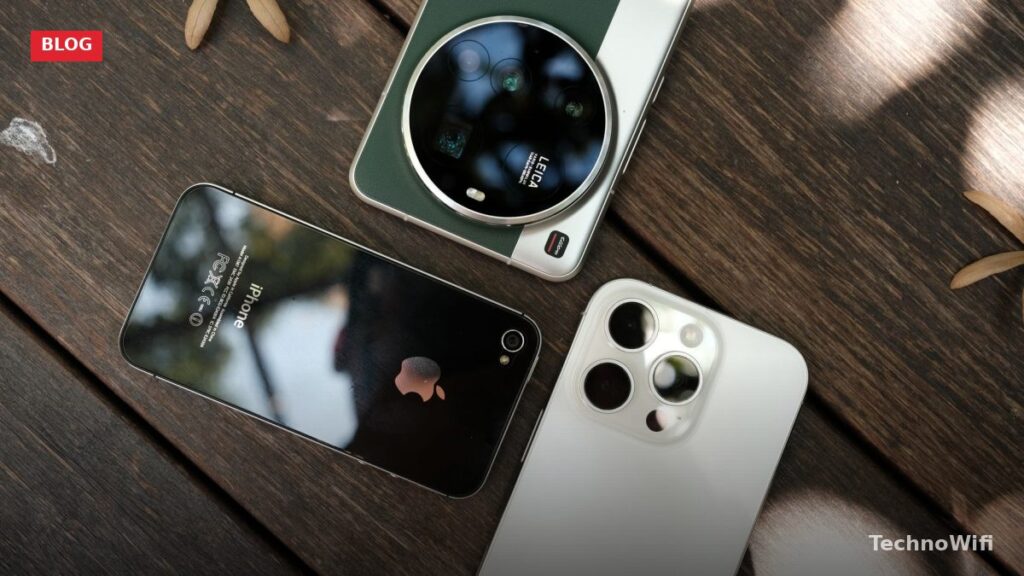
Can someone spy on you through your phone camera? It’s a question that can keep you up at night, and honestly, the answer isn’t as reassuring as you’d hope.
Think about it. Nearly every adult on the planet carries a smartphone with at least one camera. That makes phones a pretty attractive target for anyone looking to snoop. In 2026, phone cameras are sharper than ever, with some flagship models packing 200MP sensors and AI-driven zoom. That same tech that makes your photos look incredible also makes camera-based spying more dangerous than it used to be.
Spyware Is the Real Threat
Hackers and bad actors typically rely on spyware to monitor targets through their phone cameras. Spyware is software designed to sneak onto your phone without you ever knowing it’s there.
Here’s the scary part: many spyware apps are free, and even the paid options usually cost just $20 to $30 per month. You don’t need to be a tech genius to install them, either. Someone just needs physical access to the target device for a few minutes.
Once installed, the spyware grants access to the phone’s camera and potentially other features, depending on the device’s security and operating system. Some of these apps can also pull your text messages, call logs, GPS location, and even keystrokes.
Are iOS Devices Safer Than Android?
Android phones are generally more vulnerable because it’s easier to get around their built-in security features. iOS devices require jailbreaking, which takes more effort and technical know-how.
That said, don’t assume you’re safe just because you use an iPhone. Anyone willing to put in the research can figure out how to jailbreak a device. Either way, a hacker typically needs just a few minutes of hands-on access to install the spyware and start capturing data.
Apple has tightened its security policies over the years, and iOS 19 introduced more aggressive background app monitoring. But jailbroken devices bypass all of those protections. On the Android side, Google Play Protect has gotten better at flagging suspicious apps, but sideloaded spyware still flies under the radar if the user has enabled installs from unknown sources.
How Spyware Turns Your Phone Camera Into a Surveillance Tool
There are tons of spyware apps floating around, and they’re surprisingly accessible. Knowing what’s out there helps you avoid becoming a victim.
A hacker could use these tools to capture private photos and videos, then use that content for blackmail or sell it on the dark web. The stakes are real, which is why it pays to stay informed.
Beyond blackmail, stolen camera footage has been used in corporate espionage cases and stalking situations. Some spyware developers market their products as “parental monitoring” tools, which gives them a thin layer of legal cover. But the same apps get misused constantly by jealous partners, disgruntled employees, and cybercriminals.
Types of Spyware You Should Know About
Photo and Video Capture Spyware
Some spyware can take photos using both the front and rear cameras without you noticing a thing. The images get uploaded to a cloud server, giving the hacker full access.
Other apps do the same thing with video. The footage is recorded silently and stored remotely, ready for the hacker to download whenever they want. From there, the material can be sold on the black market or used as leverage against the victim.
These apps often run in the background with no visible icon in the app drawer. Some disguise themselves as calculator apps, note-taking tools, or system utilities. Unless you know exactly what to look for, you probably wouldn’t spot one on your home screen.
Remote Monitoring Spyware
This type goes a step further. Not only can it capture photos and videos, but it also lets the hacker watch your camera feed live. That means someone could stream footage from your phone directly to another platform in real time.
Live streaming spyware is especially dangerous because it gives the attacker a window into your daily routine. They can see where you are, who you’re with, and what you’re doing at any given moment. Some advanced versions even include audio capture, turning your phone into a full surveillance device.
Keylogger and Screen Capture Combos
Some newer spyware packages bundle camera access with keylogging and screen recording. This means the attacker gets everything: your passwords, banking details, private messages, and camera footage, all in one package. These combo tools have become more common in 2026, and they’re harder to detect because they spread their activity across multiple system processes.
Warning Signs Your Phone Camera Might Be Compromised
Spyware is designed to stay hidden, but it’s not always perfect. Here are some red flags to watch for:
Your battery drains faster than usual. Camera and data transmission eat up power, so a sudden drop in battery life could mean something is running in the background.
Your phone feels warm even when you’re not using it. Constant camera or microphone activity generates heat.
You notice unusual data usage spikes. Spyware needs to upload captured content, which burns through mobile data.
The camera indicator light flickers on briefly for no reason. On newer phones, both iOS and Android show a small dot when the camera or mic is active. If you see that dot light up randomly, take it seriously.
Your phone is slower than normal. Spyware competes for processing power, which can make everything feel sluggish.
How to Protect Yourself From Spyware
Staying safe from spyware isn’t easy, but it’s definitely possible. The tricky part is that these apps are designed to avoid detection.
Your best bet is to download dedicated spyware protection apps. These tools can scan your device (both iOS and Android) for threats and either block or remove them.
Look for these spyware protection apps on the PlayStore or AppStore, and remember to read previous users’ reviews and ratings.
Checking reviews and ratings before downloading helps you pick apps that actually work well for your specific needs.
Beyond anti-spyware apps, here are more steps you can take to lock things down:
Set a strong lock screen password. Avoid simple PINs like 1234 or 0000. Use a six-digit code, a complex pattern, or biometric authentication. This makes it much harder for someone to install spyware during those few minutes they might have your phone.
Enable two-factor authentication on your accounts. Even if someone gets your password, 2FA adds another barrier.
Review your installed apps regularly. Scroll through your app list every few weeks and look for anything you don’t remember installing. On Android, check Settings, then Apps, then look for apps with generic names and no icon.
Keep your operating system updated. Security patches fix the exact vulnerabilities that spyware exploits. Running outdated software is like leaving your windows unlocked.
Don’t click suspicious links in texts or emails. Phishing links are one of the most common ways spyware gets installed remotely, without the attacker ever touching your phone.
What to Do If You Think You’ve Been Compromised
If you suspect spyware is already on your phone, here’s a quick action plan. First, run a full scan with a reputable anti-malware app. Second, check your app permissions and revoke camera access for any app that doesn’t need it. Third, change all your important passwords from a different device. Finally, if the problem persists, a factory reset will wipe the spyware, but make sure you back up your important data first.

The Bottom Line
Under US state laws, spying on someone carries serious legal consequences. But laws don’t stop everyone. Your best defense is staying informed about how these tools work and what to look for.
Keep your phone’s software updated, avoid leaving your device unattended around people you don’t trust, and install a good anti-spyware app. Stay updated, stay protected!
See Also