Finding the Right Apps for Your Chromebook
Chromebooks pull apps from three main sources: the Chrome Web Store (browser extensions and web apps), the Google Play Store (Android apps), and Linux (for advanced users who turn on the Linux container). Most people stick with the first two, and together they cover everything from office productivity to photo editing to gaming. The app selection has grown dramatically since Google added Play Store support, closing what used to be Chrome OS’s biggest gap compared to Windows.
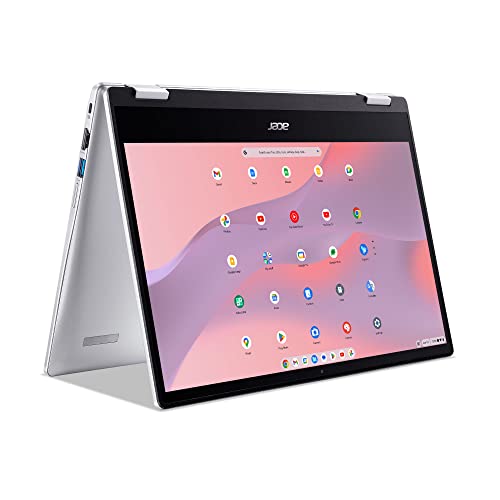
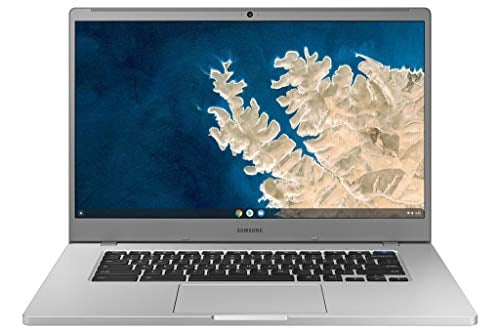
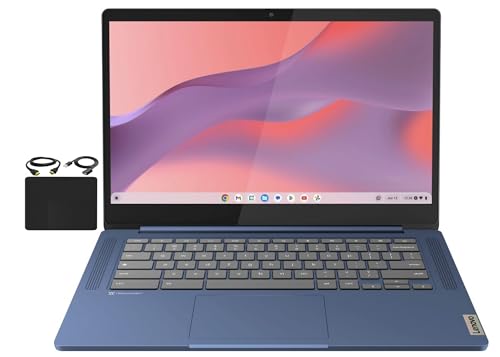
Not every Android app works perfectly on a Chromebook. Some scale awkwardly on larger screens, and a few phone-only apps refuse to install. But the popular ones have adapted well, and many are genuinely better with a keyboard and trackpad than on a phone.
Best Productivity Apps for Chromebook
Productivity is where Chromebooks really shine. These apps will keep you on track whether you are writing papers, managing projects, or just staying organized.
For video editing, check our best video editors for Chromebook.
Google Workspace (Free / Paid)
Google Docs, Sheets, Slides, and Drive are the backbone of Chrome OS. They come pre-installed on every Chromebook and work well both online and offline (once you turn on offline sync in settings). For most people, Google Workspace replaces Microsoft Office entirely. It handles documents, spreadsheets, presentations, and cloud storage without costing anything. The collaboration features are especially strong, with real-time editing and commenting that just works.
Microsoft 365 (Free / Paid)
If your workplace or school runs on Microsoft tools, the Android versions of Word, Excel, PowerPoint, and Outlook run on Chromebooks through the Play Store. The free version handles basic editing, while a Microsoft 365 subscription opens up advanced features like pivot tables, macros, and premium templates. The web version at office.com works well too and does not require any installation.
Notion (Free / Paid)
Notion brings together notes, databases, project management, and wikis into one tool. The Android app and web app both run on Chromebook, and the free tier is generous enough for personal use. Students rely on it for class notes and assignment tracking. Teams use it for documentation and project planning. The learning curve is steeper than simpler note apps, but once you get your workspace set up, it is hard to go back to anything else.
Best Creative Apps for Chromebook
You do not need an expensive laptop to get creative work done. These apps bring design, photo editing, and video editing to Chrome OS in 2026.
For related tips, check out our full guide on docking stations for MacBook Pro.
Canva (Free / Paid)
Canva runs beautifully in the browser and handles graphic design tasks that would normally need Photoshop or Illustrator. Social media graphics, presentations, posters, logos, and video thumbnails are all straightforward with the drag-and-drop editor. The free version includes thousands of templates and design elements. Canva Pro adds background removal, brand kits, and a much larger media library for $13/month.
Adobe Lightroom (Free / Paid)
The Android version of Lightroom works surprisingly well on Chromebooks with touchscreens. You get the full set of editing tools (exposure, color grading, presets, selective adjustments) with cloud syncing across devices. The free version covers basic editing, while the paid plan adds RAW support, selective edits, and 1 TB of cloud storage. It will not replace the desktop version for professional workflows, but for hobbyist and semi-pro photo editing, it is more than capable.
CapCut (Free)
CapCut is the most accessible video editor on Chrome OS. The Android app handles trimming, transitions, text overlays, filters, and basic effects without a subscription or watermark. The web version at capcut.com offers a more desktop-like editing experience with timeline editing. For YouTube thumbnails, TikTok clips, and school video projects, CapCut gets the job done without the complexity of professional editors.
Best Entertainment Apps for Chromebook
When the work is done, your Chromebook doubles as a solid entertainment device. Here are the apps worth having.
Spotify and YouTube Music
Both streaming services have solid Android apps that work well on Chromebooks. Spotify’s desktop-like interface feels natural on a larger screen, and offline downloads work for Premium subscribers. YouTube Music integrates tightly with the rest of Google’s ecosystem. Pick whichever service has the library and playlists you already enjoy.
Netflix, Disney+, and Streaming Services
All major streaming apps (Netflix, Disney+, Hulu, HBO Max, Amazon Prime Video) are available through the Play Store. The Android apps support offline downloads for watching without WiFi, which is one advantage over just using the browser version. Video quality depends on your Chromebook’s display and the app’s DRM support, but most recent Chromebooks handle 1080p streaming without issues.
GeForce NOW and Xbox Cloud Gaming
Cloud gaming has turned Chromebooks into surprisingly capable gaming machines. NVIDIA’s GeForce NOW streams PC games from remote servers, letting you play titles like Fortnite, Cyberpunk 2077, and Baldur’s Gate 3 on hardware that could never run them locally. Xbox Cloud Gaming (included with Game Pass Ultimate) works directly in the Chrome browser. Both services need a fast, stable internet connection (at least 15 Mbps for 720p, 25 Mbps for 1080p).
Our article on docking stations for Chromebook covers related ground and is worth a look.
Best Education Apps for Chromebook
Chromebooks are a staple in classrooms for good reason. These education apps make learning interactive and accessible.
Google Classroom
Google Classroom is the standard in K-12 and increasingly common in higher education. Teachers assign work, students submit it, and grades flow back, all within the same interface. The Android app adds push notifications so students do not miss deadlines. If your school uses Google Workspace for Education, everything connects automatically.
Duolingo (Free / Paid)
The Android app runs well on Chromebooks and makes language learning surprisingly addictive with its gamified lesson structure. Free users get the full course content with ads. Duolingo Plus removes ads and adds offline lessons. The larger Chromebook screen makes exercises easier than on a phone, especially for reading and writing practice.
Khan Academy (Free)
Khan Academy covers math, science, economics, history, and test prep (SAT, LSAT, MCAT) with video lessons and practice exercises. The web version works perfectly in Chrome, and the Android app adds offline access for downloaded content. Everything is completely free, making it one of the most valuable educational resources available on any platform.
Best Utility Apps for Chromebook
| App | What It Does | Price |
|---|---|---|
| Bitwarden | Password manager with browser extension and Android app | Free / $10 per year |
| Save articles and videos to read or watch later offline | Free / $45 per year | |
| Squid | Handwriting and note-taking app for touchscreen Chromebooks | Free / $1 one-time |
| VLC | Plays nearly any video or audio file format locally | Free |
| Tasker | Automate repetitive tasks on your Chromebook | $3.49 one-time |
Tips for Getting the Most Out of Chromebook Apps
Android apps on Chromebooks occasionally behave like they are still on a phone, showing up in small windows with odd scaling or missing keyboard shortcuts. You can resize most Android apps by dragging the window edges, and many now support full-screen mode. If an app insists on running in a tiny phone-sized window, right-click its icon in the shelf, go to app info, and check if “Resizable” is available.
For apps that are not in the Play Store, the web version accessed through Chrome often works just as well. Tools like Figma, Trello, Slack, and Zoom all have strong web interfaces that are sometimes better than their Android counterparts. Pin these web apps to your shelf for quick access, and they will behave like standalone apps.
What is the best browser for Chromebook?
Chrome is the obvious default since Chrome OS is built around it. That said, you can install Firefox, Brave, or Microsoft Edge from the Play Store if you prefer something different. Firefox is worth trying if you value privacy features. Brave blocks ads and trackers by default. For most people, Chrome with a couple of well-chosen extensions handles everything just fine.
Can I use Microsoft Office on a Chromebook?
Yes. The Android versions of Word, Excel, and PowerPoint are available in the Play Store, and the web versions at office.com work in Chrome. Free accounts handle basic editing. A Microsoft 365 subscription ($7/month for personal) opens the full feature set. Formatting compatibility between the web/Android versions and the desktop versions is generally good, though complex macros and some advanced Excel features may not work perfectly.
Do Chromebook apps work offline?
For a deeper look at how Chromebooks stack up against Windows laptops, check our Chromebook vs laptop guide.
Many do, but you need to set them up ahead of time. Google Docs, Sheets, and Slides all support offline editing if you turn it on in Drive settings. Netflix and Spotify allow offline downloads with paid subscriptions. Android games typically work offline. Browser-dependent apps and extensions usually do not. The key is downloading or enabling offline mode while you still have WiFi.