Nikon D5600 Review
Nikon has been a household name in photography for decades, and their entry-level DSLR lineup has always been a solid starting point for new shooters. The D5600 sits in Nikon’s D5XXX series, right alongside the D3300 series as the brand’s gateway into DSLR photography.
Originally released in late 2016 as the follow-up to the D5500, the D5600 brought some welcome upgrades to an already capable camera. Now, in 2026, it’s been around for nearly a decade. But here’s the thing: it’s still a genuinely good camera, especially if you find one at today’s lower prices. Not every shooter needs the latest tech, and the D5600 proves that point well.
If you’re just getting started with interchangeable-lens cameras, take a look at our roundup of DSLR cameras for beginners to see how the D5600 stacks up against other options.
Let’s dig into what this camera offers, where it shines, and where it shows its age.
Nikon D5600 Review:
Nikon D5600: Key Specifications
- Sensor: 24.2MP DX-format CMOS
- Image Processor: Expeed 4
- Lenses: Nikon F or DX Format
- Video Resolution: 1,920 x 1,080 Full HD resolution
- Autofocus point: 9 Cross-type 39
- Screen Type: LCD Screen, 3.2 vari-angle with touch-sensitive
- ISO Range: 100- 25,600
- Viewfinder: EyeMirror ViewFinder with 95% of coverage
- Burst Speed: 5 fps
- Power Supply: Rechargeable lithium-ion battery
- Weight: 465 grams with memory card and battery
- Dimensions: 124 * 97 * 70 mm
Build-Quality
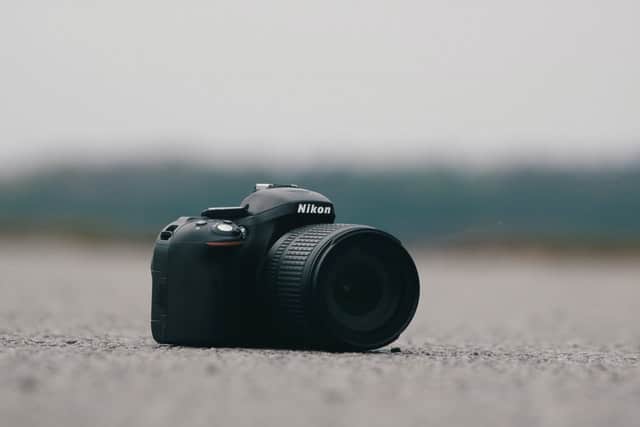
The D5600 feels great in your hands. It’s compact and light at just 465 grams, which makes it comfortable for long shooting sessions. Nikon did a nice job keeping the body small without sacrificing usability.
Button controls are laid out logically, and most adjustments can be made without digging through menus. That said, the buttons are on the smaller side. If you have larger hands, you might find yourself pressing the wrong one now and then, especially when changing settings quickly.
The touchscreen is a real plus. You can tap to focus, swipe through images, and navigate menus the same way you would on a smartphone. It’s especially handy when you’re shooting video or trying to grab a quick photo on the fly.
As a DSLR, the D5600 uses a mirror and optical viewfinder system. The 39-point autofocus does a solid job tracking moving subjects, and you won’t find yourself constantly re-shooting because the camera missed focus. For a camera at this price point, that’s a real strength.
Autofocus
Nikon equipped the D5600 with their 39-point autofocus system, featuring nine cross-type AF points for better accuracy.
You can choose between 39-point or 11-point coverage depending on the situation. Shooting through the optical viewfinder gives you the best autofocus experience, and it’s noticeably snappier than using live view on the rear screen.
We break down Nikon camera deals in a separate post that complements this one.
One nice touch: you can switch between single-shot autofocus and continuous tracking depending on what you’re photographing. A still portrait? Single AF works perfectly. Kids running around the yard? Switch to continuous and let the camera keep up.
The 3.2-inch vari-angle touchscreen also lets you tap to set your focus point in live view, which makes composition more intuitive. It’s a feature that newer shooters will appreciate right away.
Performance
For a mid-range DSLR from 2016, the D5600 still performs respectably. One of its standout additions at launch was Nikon’s SnapBridge Technology, which lets you wirelessly transfer photos to your phone over Bluetooth.
SnapBridge works with both Android and iOS devices, so sharing photos to social media or backing up your shots is straightforward. It can be a little finicky to set up the first time, but once connected, it runs in the background without much fuss.
Core camera functions like white balance, exposure metering, and autofocus all work reliably. You don’t need expensive accessories or specialized gear to get good results. Just learn the settings, and this camera will deliver.
Where you’ll notice its age is in processing speed. The Expeed 4 processor is a few generations behind Nikon’s current tech. Buffer times after burst shooting are longer than what you’d get from a modern camera, and startup isn’t quite as instant as newer models. For casual and hobbyist use, though, it’s perfectly fine.
Image Quality
The 24.2MP DX-format sensor in the D5600 is actually the same one used in the D5500 and D5300. That’s not a bad thing. It’s a well-proven sensor that captures sharp, detailed images with accurate color.
At lower ISO settings (100 to 800), image quality is excellent. Colors look natural, detail is crisp, and dynamic range holds up well. Push the ISO higher, and you’ll start to see noise creep in above ISO 3200. It’s manageable, but newer sensors do handle high-ISO situations better.
For a different take, see our guide on Canon EOS 1d mark iii review and pricing.
Straight out of the camera, the default settings produce pleasing images. If you shoot in RAW and do some post-processing, you can pull out even more detail and dynamic range. Beginners can stick with JPEG and still get results they’ll be happy with.
For the price you’ll pay for a D5600 today, the image quality punches above its weight. It won’t match a full-frame sensor, but for an APS-C DSLR, it’s still very capable.
Video
Let’s be honest: video was never the D5600’s strongest selling point. It records Full HD at 1080p and up to 60fps, which was solid for its era. By 2026 standards, the lack of 4K recording is a clear limitation.
That said, the articulating touchscreen makes video shooting much more practical. You can flip and rotate the screen to shoot from high angles, low angles, or even selfie-style. For vloggers who don’t need 4K, it’s a workable setup.
The touchscreen lets you tap to shift focus while recording, which is a nice convenience. You can also adjust basic settings on the fly without interrupting your clip.
If you’re primarily a photographer who occasionally shoots video, the D5600 will get the job done. If video is your main focus, you’ll probably want something more modern with 4K support and better continuous autofocus during recording.
Nikon D5600: Price
The D5600 originally launched at around $549 for the body. In 2026, you can often find it for significantly less, whether new-old-stock or on the used market. That makes it a terrific value if you’re on a budget.
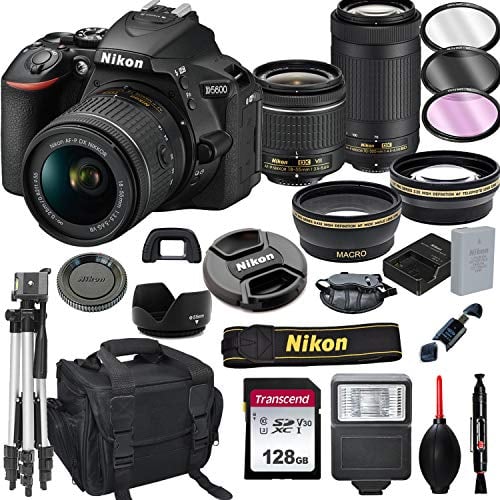
It’s a camera that works well for beginners learning the basics of photography, and it also makes a decent backup body for more experienced shooters. Battery life is solid, and you get a full kit of accessories in the box.
Bundle deals that include a standard 18-55mm kit lens pop up frequently and offer an easy way to start shooting right out of the box. If you’re looking for an affordable entry into DSLR photography, the D5600 remains a smart buy.
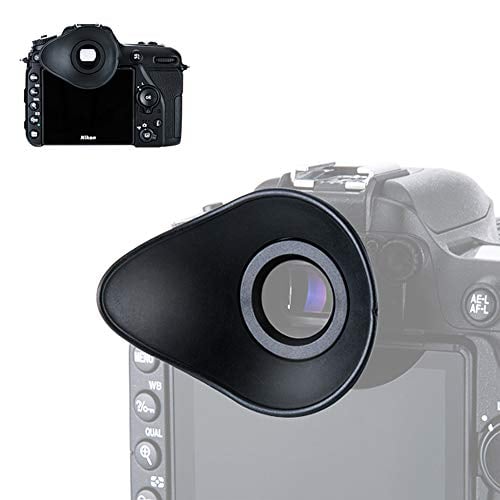
![D5600 Viewfinder Eyepiece Eyecup Eye Cup for Nikon D5600 D5500 D5300 D3500 D3400 D3300 Digital Camera [2Packs], Replace eyepiece DK-25, Fire Rock Camera Eyecup Accessories DK25](https://www.technowifi.com/wp-content/uploads/2026/08/d5600-viewfinder-eyepiece-eyecup-eye-cup-for-nikon-d5600-d5500-d5300-d3500.jpg)
Verdict:
The Nikon D5600 is nearly a decade old at this point, and it doesn’t try to compete with modern mirrorless cameras on features. What it does offer is reliable performance, good image quality, and a comfortable shooting experience at a price that’s hard to argue with in 2026.
The compact, well-built body feels good in your hands. The touchscreen and vari-angle display add real flexibility. SnapBridge connectivity, while not perfect, makes sharing photos convenient. And the 24.2MP sensor still produces images that look great in print or on screen.
Where it falls short is in areas like 4K video, advanced autofocus tracking, and processing speed. These are things newer cameras handle better. But if you’re buying your first DSLR or want a capable camera without spending a fortune, the D5600 delivers where it counts.
It’s a proven, dependable camera that still earns its place in a photographer’s bag.