When you purchase through links on our site, we may earn an affiliate commission. Here’s how it works.
Photography has become part of everyday life. We don’t need expensive equipment or a hired professional to capture quality images anymore. Smartphones handle it, and digital cameras pack impressive features into compact bodies.
But let’s talk about one of photography’s most beloved genres: landscape photography. There’s something special about landscape images. They tell a story about a place, a moment, and a mood in ways other types of photos simply don’t. Great landscape shots look richer and more immersive than standard snapshots.
In this article, we’ll walk through the history of landscape photography, from its earliest days to the photographers who shaped it into the art form we know today.
What Is Landscape Photography?
Landscape photography captures the natural world: mountains, valleys, oceans, deserts, forests, and skies. Landscape photos look rich, sharp, and almost alive, often needing little post-processing to look stunning.
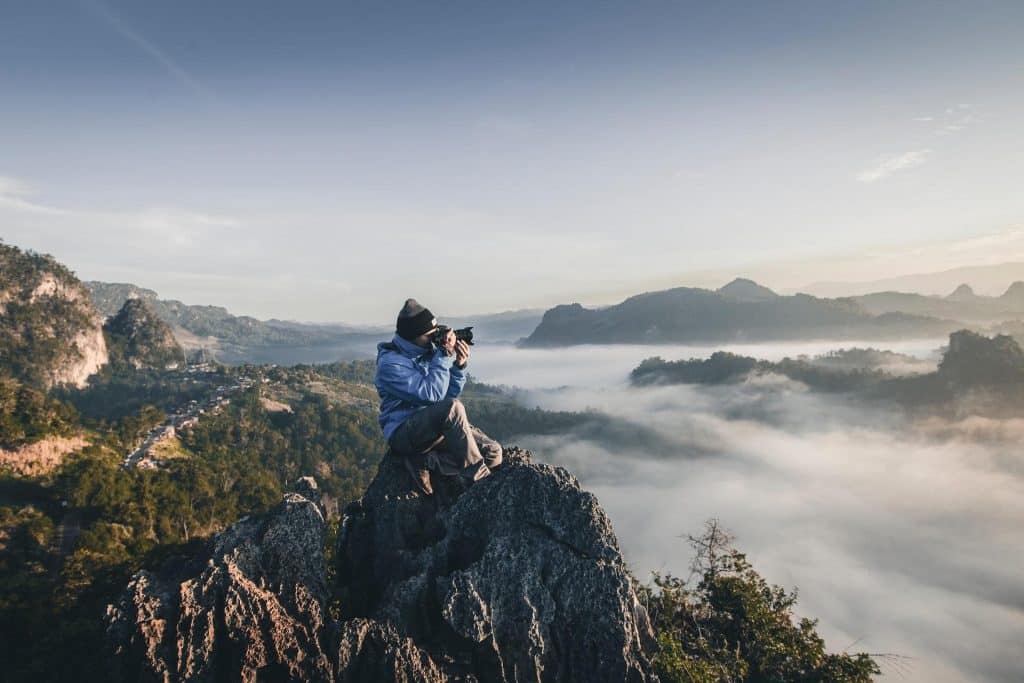
What is Landscape Photography
Traditional landscape photography doesn’t feature people or animals. It’s purely about the earth’s natural beauty. That said, modern photographers have expanded the genre to include human and animal subjects set within natural environments, blending landscape with portrait and wildlife styles.
Landscape Photography History
According to historical records, early landscape photograph was taken in 1826 or 1827 by French inventor Nicephore Niepce. That image, known as “View from the Window at Le Gras,” required an exposure time of several hours and captured the rooftops and countryside visible from Niepce’s estate.
A few years later, in 1835, English scientist Henry Fox Talbot developed new photographic techniques and innovations that advanced the medium significantly. Talbot is often credited as a founding figure in landscape photography.
We also wrote a hands-on guide on camera for landscape photography that you might find useful.
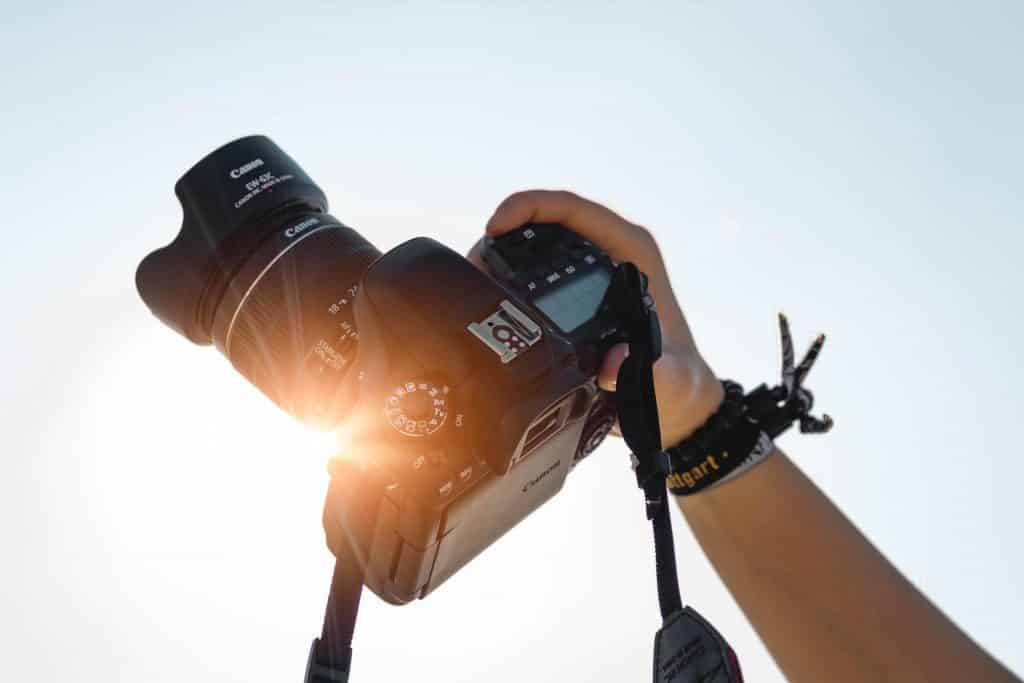
Landscape Photography History
The timeline of landscape photography’s development is surprisingly murky. After these early breakthroughs, thousands of photographs were taken in the following decades as the technology became more accessible to a wider group of practitioners.
In 1904, Edward Steichen’s “Moonlight: The Pond” became one of the most celebrated landscape photographs in history, drawing widespread attention to the artistic possibilities of the medium.
There’s no single person who “invented” landscape photography. It evolved through the collective efforts of scientists, inventors, and photographers who each contributed new techniques and perspectives. Let’s look at the most influential figures.
Pioneers of Landscape Photography
Landscape photography as we know it was shaped by a handful of dedicated professionals. Here are the key figures and what they contributed to the genre.
1. Carleton Watkins (1829-1916)
Carleton Watkins, an American photographer, is widely considered the pioneer of landscape photography. He gained recognition for his breathtaking photographs of Yosemite Valley, captured using a mammoth plate camera that produced enormous, highly detailed negatives.
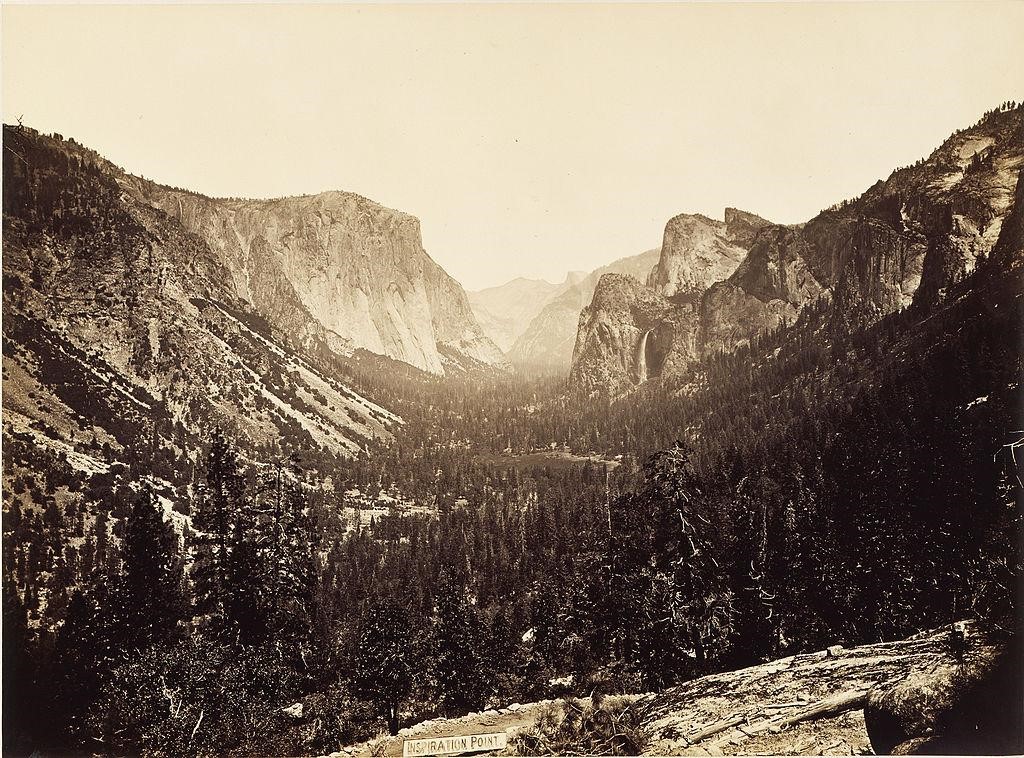
Inventors of Landscape Photography
Watkins’ images of Yosemite were so powerful that they played a role in convincing Congress to protect the valley as public land, eventually leading to the creation of Yosemite National Park.
2. William Henry Jackson (1843-1942)
William Henry Jackson started as a painter before turning to photography. He was appointed as a geological survey photographer and explorer, documenting the American West during a time when most people had never seen these landscapes in any form.
Readers who found this helpful also liked our guide on DSLR cameras for beginners.
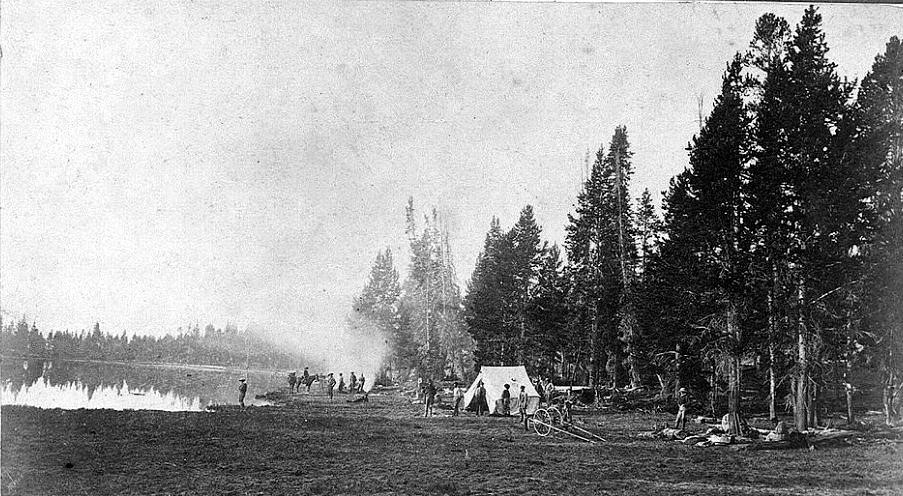
William Henry Jackson
His photographs of the Yellowstone region were instrumental in persuading Congress to establish Yellowstone as the first national park. Jackson was also a skilled painter and illustrator, and his artistic eye heavily influenced his photographic compositions.
3. Ansel Adams (1902-1984)
Ansel Adams is probably the most recognized name in landscape photography. His dedication to the craft was unmatched. He spent decades refining his techniques and developing new approaches to capturing the natural world.
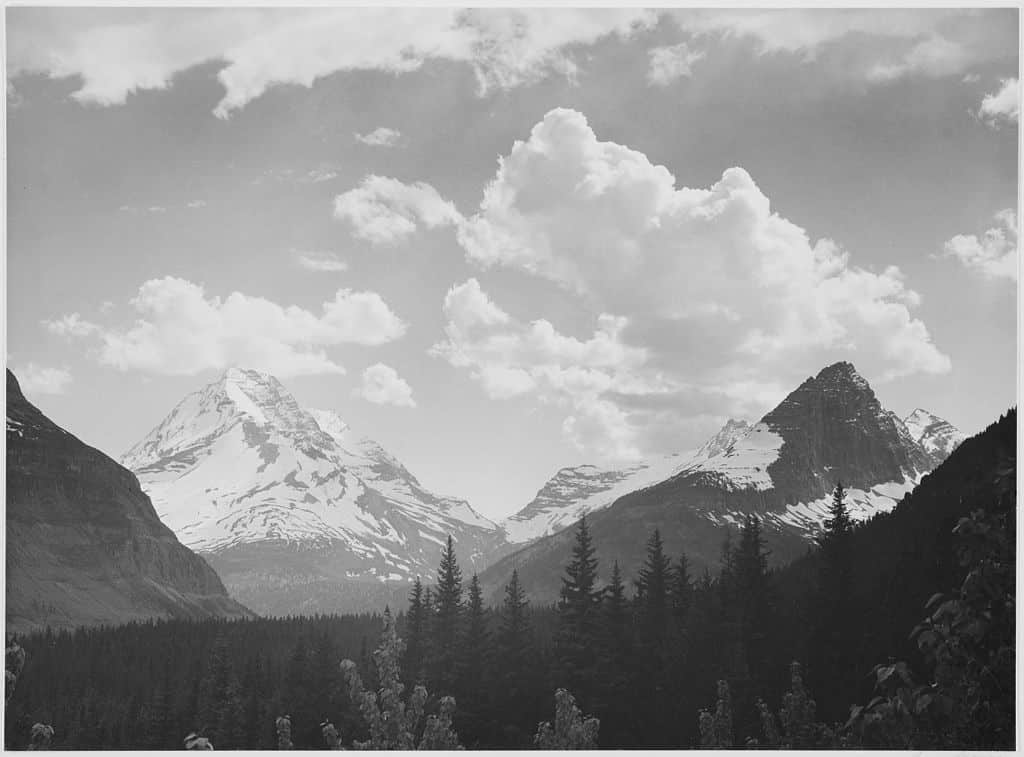
Ansel Adams
Adams was famous for his “visualization” technique: carefully analyzing a scene and pre-visualizing the final print before pressing the shutter. He co-developed the Zone System, a method for precise exposure and development control that’s still taught in photography courses today. His black-and-white images of the American West remain some of the most iconic photographs ever made.
4. Edward Weston (1886-1958)
Edward Weston was one of the most influential American photographers of the 20th century. While he’s known for his still-life and nude photography as well, his landscape work pushed the boundaries of what the genre could express.
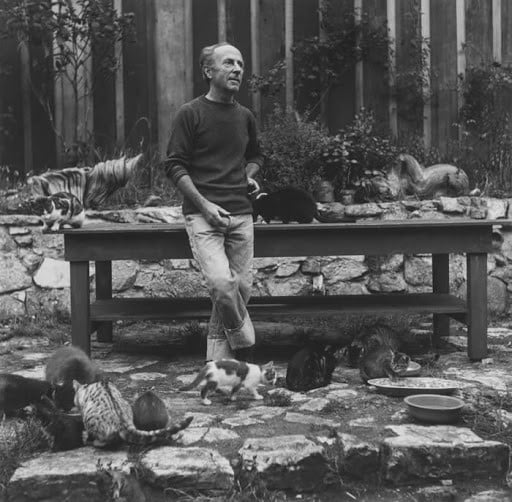
Edward Weston
Weston spent his career experimenting with new techniques to make landscape photography more accessible and expressive. He was a founding member of Group f/64, which championed sharp-focus, unmanipulated photography over the soft-focus pictorialism popular at the time.
5. Luigi Ghirri (1943-1992)
Luigi Ghirri, an Italian photographer, brought a fresh perspective to landscape photography by shooting primarily in color at a time when most serious landscape work was done in black and white.

Luigi Ghirri
His work explored the relationship between natural and man-made environments, often blurring the line between documentary and art photography. The art world recognized Ghirri for his unique vision, and his influence can be seen in contemporary landscape and architectural photography to this day.
Where Landscape Photography Stands Today
Modern landscape photography has been transformed by digital technology. We now have access to incredible digital cameras, specialized lenses, and accessories that make landscape photography far more accessible than it was a century ago.
If you’re passionate about photography, understanding the history behind this genre gives you a deeper appreciation for the craft and the people who built it into what it is today.