How to Work with Nikon D7200 Shutter Speed
Shutter speed controls how long the camera’s shutter stays open, exposing the sensor to light. If you’re getting into photography as a profession or even as a serious hobby, understanding Nikon D7200 shutter speed is one of the most important skills you’ll develop. It’s a setting you’ll use constantly throughout your entire photography career.
Shutter speed mainly does two things:
- Brightens up your photographs
- Creates dramatic effects through blur motions or by capturing freeze-action shots
Using Nikon D7200 Shutter Speed Settings for Better Photography

Let’s look at the different shutter speed ranges on the D7200 and when to use each one.
With Long Shutter Speed
When you set the Nikon D7200 to a long shutter speed, the camera sensor stays exposed to light for an extended period. This creates a motion blur effect in your photographs.
Long shutter speed effects work great when you want to photograph a moving subject and convey a sense of movement. This technique is widely used in automotive advertising, where photographers need to show a feeling of speed and motion. The car stays relatively sharp while the background blurs into streaks, giving the viewer an immediate impression of velocity.
Long exposures on the D7200 can also produce striking results with light trails from cars on highways or stars moving across the night sky. The key is securing your camera on a stable surface and experimenting with different exposure times to find what looks best.
With Slow Shutter Speed
Slow shutter speeds open up a different set of creative possibilities. You can use them to capture photographs during nighttime or in areas where the light is poor or dim. In these conditions, a slower shutter speed lets more light reach the sensor, resulting in a brighter exposure.
Be careful when shooting with slow shutter speeds, though. Even a small shake can ruin your photo. Always use a tripod, and consider using a remote shutter release or the camera’s built-in timer to eliminate any vibration from pressing the shutter button.
Some landscape photographers intentionally use slow shutter speeds to create a sense of motion in their images. Ripples in rivers, crashing waves at the seashore, and flowing waterfalls all look incredible when captured with a slow shutter. The moving water takes on a smooth, silky appearance while the surrounding rocks and landscape stay sharp.
With Fast Shutter Speed
A faster shutter speed on the Nikon D7200 lets you freeze action completely. By cutting the exposure time down to a tiny fraction of a second, you can capture a moving subject with zero motion blur.
This is the setting you want when photographing high-speed subjects. Think racing cars, jet fighter planes, birds in flight, athletes in mid-action, or a dog catching a frisbee. Fast shutter speeds stop the action cold, giving you a tack-sharp image of something that was moving at top speed.
On the D7200, you have access to shutter speeds as fast as 1/8000 of a second, which is more than enough for virtually any action photography scenario you’ll encounter.
Measuring Shutter Speed Properly
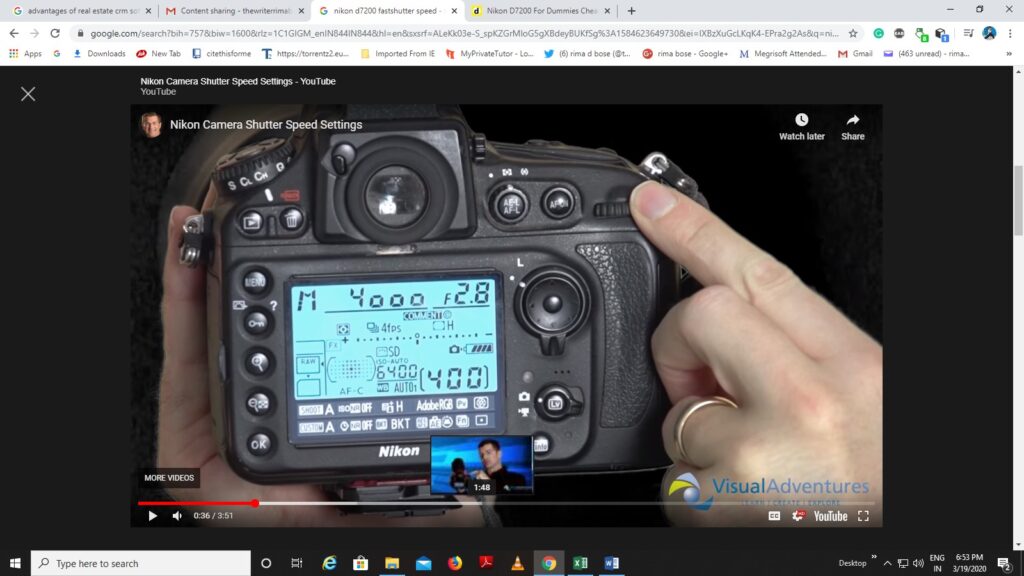
Technically, shutter speed is measured in fractions of a second. Most DSLRs and mirrorless cameras on the market today can reach speeds up to 1/4000 of a second. Some cameras go even faster, hitting 1/8000 of a second or beyond. The Nikon D7200 falls into this faster category.
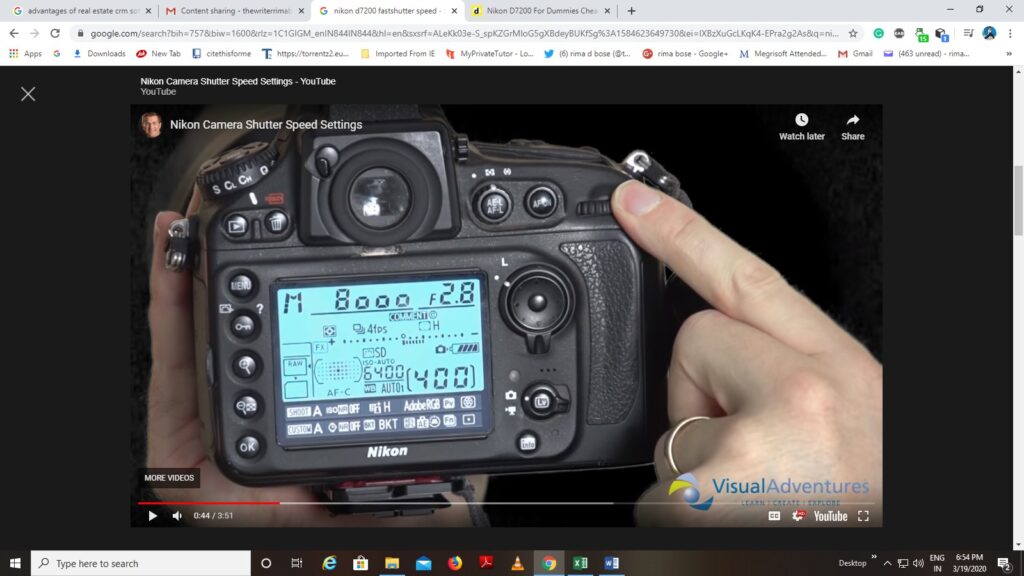
The Nikon D7200 offers a shutter speed range from 1/8000 of a second all the way down to 30 seconds. This wide range gives you enough flexibility to photograph almost any subject or scene. From freezing a hummingbird’s wings at 1/8000s to creating long-exposure star trails at 30 seconds, the D7200 can handle it all.
Shooting with Nikon D7200 Shutter Speed
Sometimes you’ll want to capture a photo at a specific shutter speed, but your lens or lighting conditions won’t cooperate. This is a common challenge, and knowing how to handle it makes a big difference in your results.
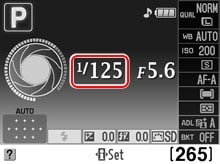
For example, in low-light conditions, if you want to capture a fast-moving subject, the image will come out blurry if you use a shutter speed slower than about 1/125 of a second. But if your lens maxes out at an aperture of f/3.5, you might notice the aperture display blinking in both the viewfinder and the rear LCD panel.
That blinking is the camera telling you there isn’t enough light for the shot at your current settings. The lens has reached its maximum aperture, and you’ll end up with an underexposed photograph if you take the shot as-is.
The fix? Increase your ISO. Bumping up the ISO makes the sensor more sensitive to light, which compensates for the limited aperture and lets you keep that fast shutter speed. Just be aware that higher ISO values can introduce grain or noise into your images, so find a balance that works for the situation.
Shoot in Shutter Priority Mode
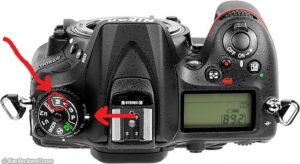
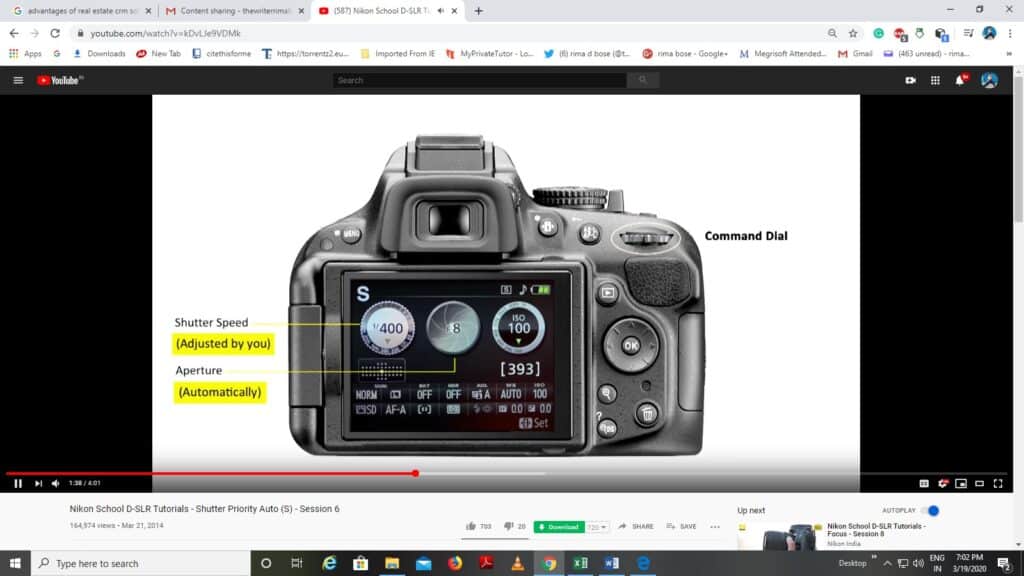
Shutter priority mode (marked as “S” on the mode dial) is the best way to take direct control of your shutter speed while letting the camera handle the aperture automatically. Here’s how to set it up on the Nikon D7200:
- Turn the mode dial on the Nikon D7200 and align the S with the indicator mark.
- On the back left side of the camera, you’ll find the ISO button. Press and hold it while rotating the main command dial.
- The ISO value will appear on the top display. Choose your preferred ISO setting, then release the ISO button to lock in the change.
- Point the camera at your subject. Press the shutter button halfway to activate the camera’s light meter.
- Check the exposure information at the bottom of the viewfinder or on the top display panel.
- After the meter is active, use your thumb to roll the main command dial left and right to adjust shutter speed. Roll right for faster shutter speeds, left for slower ones. Watch the exposure indicator change as you dial in your preferred speed.
Follow these steps and practice regularly to get comfortable with Nikon D7200 shutter speed controls. The more you shoot in different conditions, the more intuitive it becomes. Over time, you’ll develop an instinct for which shutter speed works best in different situations, and your photography will improve steadily as a result.