How to Use Nikon D5300: A Step-by-Step Guide
If you want to learn how to use Nikon D5300, you are in the right place. This camera is one of Nikon’s strongest mid-range DSLRs, known for its sharp image quality, wide feature set, and dependable performance. But knowing your way around the settings is what really brings out its best.
In this guide, we walk through everything from charging the battery to choosing the right exposure mode for your shot.
Getting Started with the Nikon D5300
Charging the Battery
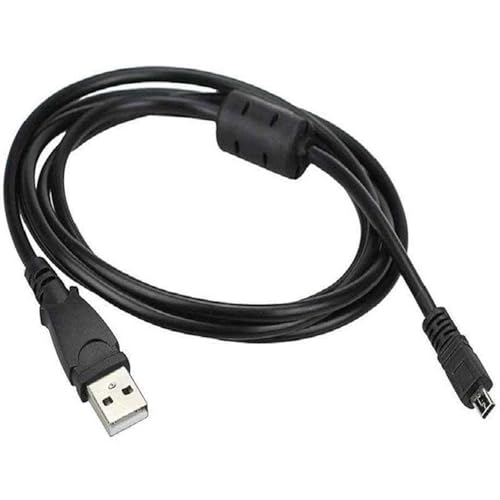
Before anything else, charge the battery. Take the battery pack out of its packaging and slide it into the charging slot. Connect the USB charging cable and AC adapter that came in the box.
Once the battery is fully charged, insert it into the camera. The D5300 is now ready to capture photos and videos.
Choosing the Right Exposure Mode
Picking the right exposure mode before you start shooting is one of the most important steps. It controls how the camera handles focus and exposure for every image you take.
Program Auto Exposure (P) – Auto mode is not always ideal for experienced photographers, but it is a solid starting point if you are new to the D5300. The camera picks both shutter speed and aperture, though you can still adjust other settings and controls.
For example, turn the command dial to the left to adjust shutter speed, which helps prevent motion blur. The camera will automatically shift the aperture value to keep the exposure balanced.
Want to set a specific aperture instead? Turn the command dial to the right. The camera will then adjust the shutter speed to match.
Shutter Priority (S) – This mode lets you choose your shutter speed while the camera picks the aperture. If you are just starting out, try 1/125 of a second to avoid blur from camera shake or minor movement.
For fast-moving subjects, bump it up to 1/200 of a second or faster. For slower scenes, 1/60 of a second should work well.
Aperture Priority (A) – Here, you set the aperture and the camera selects the shutter speed needed for correct exposure. The big advantage of this mode is control over depth of field, which directly affects how sharp or blurred different parts of your image appear.
For portrait photography, a wider aperture (lower f-number) blurs the background and keeps your subject sharp. For group shots or scenes where you want everything in focus, use a narrower aperture (higher f-number).
Manual (M) – Manual mode gives you full control over both shutter speed and aperture. It is the most flexible option, but also the most demanding. Beginners should take their time with this one and pay close attention to the exposure meter in the viewfinder.
Shooting a Portrait
For portrait photos, set the mode dial to Program, Aperture Priority, or Manual. Lower the aperture value (wider opening) to create a shallow depth of field, which softens the background and draws attention to your subject.
Whenever possible, position your subject in soft, even light. Natural window light or open shade outdoors produces flattering results without harsh shadows.
Capturing an Action Sequence
For sports and fast-paced scenes, shutter speed is everything. Start at around 1/500 of a second and adjust from there based on how fast your subject is moving.
Switch to continuous shooting mode (burst mode) so the camera fires off several frames in quick succession. This gives you a much better chance of catching the peak moment.
Shooting a Landscape
Landscape photography takes patience and precision. Focus on the right subject, then set your aperture and shutter speed based on what the scene calls for.
Pay attention to lighting conditions. Early morning and late afternoon (golden hour) produce warm, dramatic light. Use a narrower aperture like f/8 or f/11 for maximum sharpness across the frame, and consider a tripod if your shutter speed drops below 1/60 of a second.
Final Thoughts on How to Use Nikon D5300
The Nikon D5300 is a capable camera with plenty of features worth exploring. Start with the basics, get comfortable with each exposure mode, and then branch out as your skills grow.
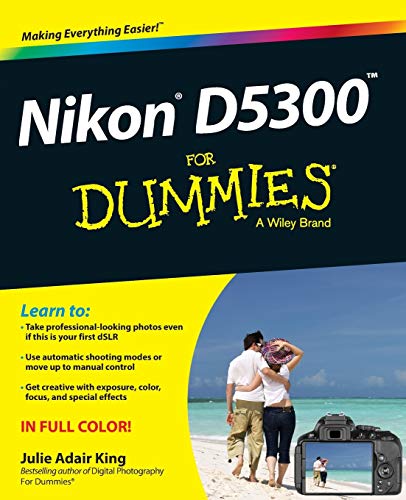
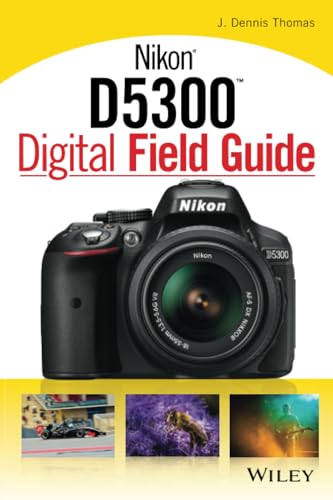
For more help, the camera’s user manual is a great reference. And don’t be afraid to experiment. Photography improves fastest when you just get out and shoot.
See also: