Samsung stopped making 3D TVs after 2016, but millions of those sets are still working in living rooms around the world. If you own one of those models and want to use it for 3D content, you’ll need to get your glasses paired and your settings configured correctly.
This guide covers which Samsung TVs actually support 3D, how to pair your glasses, and where to find 3D content in 2026. It also looks at whether picking up a used Samsung 3D TV is worth the money, and what modern alternatives exist if you want a 3D experience today.
Which Samsung Smart TVs Support 3D
Samsung included 3D capability in many of its Smart TVs between 2011 and 2016. Not every model from those years had it, though. The feature was typically found in mid-range and premium lineups, while budget models skipped it entirely.
Samsung used its own Full HD 3D and UHD 3D technologies across LED, OLED, and curved TV lines. The company dropped 3D support completely starting with its 2017 models, citing low consumer demand.
| Year | Samsung Series with 3D | 3D Type |
|---|---|---|
| 2011 | D6000 and above (LED), D8000 (Plasma) | Active shutter |
| 2012 | ES6500 and above (LED), E8000 (Plasma) | Active shutter |
| 2013 | F6400 and above (LED), F8500 (Plasma) | Active shutter |
| 2014 | H6400 and above (LED), HU8550+ (UHD) | Active shutter |
| 2015 | JS8500 and above (SUHD), JU7100+ (UHD) | Active shutter |
| 2016 | KS8000 and above (SUHD) | Active shutter |
To confirm whether your specific Samsung TV supports 3D, check the model number on the sticker behind the TV. Look it up on Samsung’s support website and check the specification sheet. If the specs list “3D” under Features, your TV can handle it.
What Is the Difference Between Active and Passive 3D Glasses
There are two types of 3D glasses used with TVs: active shutter and passive polarized. Samsung exclusively used active shutter technology in all of its 3D TVs. This matters because the type of glasses you need depends entirely on the technology your TV uses.
Active shutter glasses contain small LCD shutters that rapidly open and close in sync with the TV’s display. Each eye sees alternating frames, and your brain combines them into a 3D image. These glasses need batteries (usually a coin cell or built-in rechargeable) and must be paired with the TV via Bluetooth or infrared.
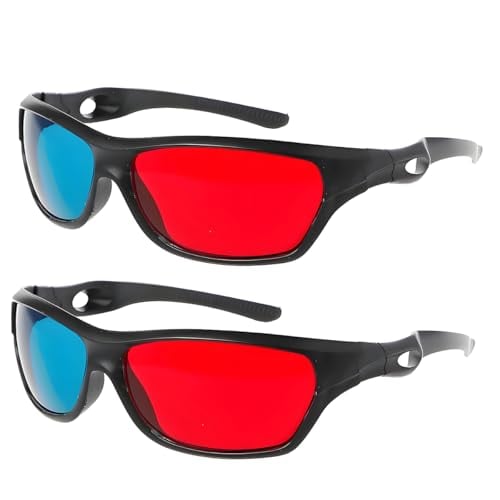
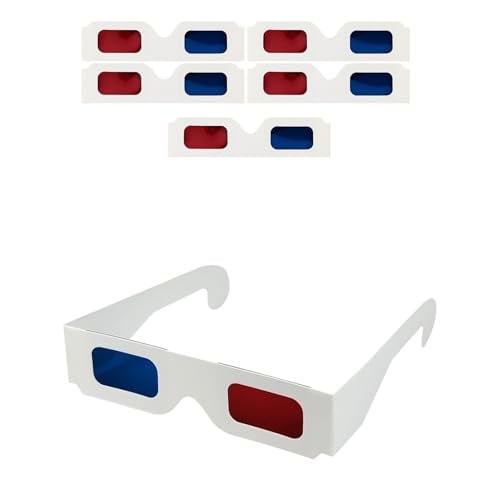
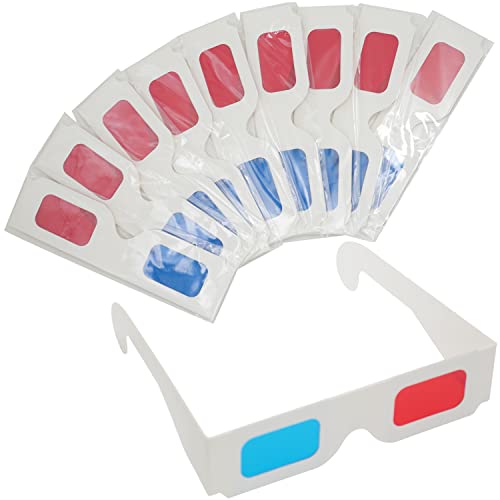
Passive polarized glasses are the lightweight, battery-free glasses you get at movie theaters. They work by filtering light through polarized lenses, with the TV displaying two slightly different images through a special filter on the screen. LG used this technology in its 3D TVs, but Samsung never did.
| Feature | Active Shutter (Samsung) | Passive Polarized (LG) |
|---|---|---|
| Battery required | Yes | No |
| Weight | Heavier (50-60g) | Lighter (15-25g) |
| Resolution per eye | Full HD per eye | Half vertical resolution per eye |
| Pairing needed | Yes (Bluetooth/IR) | No |
| Price per pair | $15-40 (used in 2026) | $1-5 |
| Flicker | Possible in some conditions | None |
Since Samsung used active shutter technology, you need Samsung-compatible active 3D glasses. Generic passive 3D glasses from a movie theater will not work with any Samsung 3D TV.
How to Pair Samsung Active 3D Glasses to Your TV
Samsung active 3D glasses connect to the TV using either Bluetooth or infrared, depending on the model year. The pairing process is straightforward, but the glasses must be charged or have fresh batteries before you start.
- Turn on your Samsung 3D TV and make sure it’s tuned to 3D content or has the 3D mode enabled.
- Check your glasses model. Samsung SSG-3100GB, SSG-4100GB, and SSG-5100GB are among the most common. Verify the glasses are compatible with your TV’s model year.
- Charge the glasses fully or insert a fresh CR2025 battery (for battery-powered models). A red blinking LED usually means low power.
- Press the Power button on the glasses. The LED indicator should start blinking.
- Hold the glasses within 1 foot (30 cm) of the TV while they’re in pairing mode.
- On newer models (2013 and later), the glasses pair automatically when powered on near a 3D signal. For older 2011-2012 models, press and hold the power button on the glasses for 3-5 seconds until the LED blinks rapidly, then release.
- The LED on the glasses turns solid green when pairing is complete.
- On the TV, go to Menu > Picture > 3D and select your preferred 3D mode (Side by Side or Top and Bottom, depending on the content).
If the glasses won’t pair, try standing closer to the TV and make sure no other Bluetooth devices are interfering. Resetting the glasses by holding the power button for 10 seconds can also help clear a failed connection.
We put together a full guide on how to connect Bluetooth headphones to Xbox one that pairs well with this.
How to Enable 3D Mode on Samsung Smart TV
Once your glasses are paired, you need to activate the 3D display mode on the TV itself. Samsung TVs with 3D support have a dedicated 3D menu in the picture settings.
- Press the Menu button on your Samsung remote.
- Navigate to Picture.
- Select 3D.
- Set 3D Mode to match your content format: Side by Side, Top and Bottom, or Frame Sequential.
- Adjust 3D Perspective to fine-tune the depth effect. A lower value reduces the 3D intensity, which can help with eye strain.
Some Samsung remotes from 2013-2015 have a dedicated 3D button that toggles the mode on and off. Press it once while watching 3D content to activate the effect, and press it again to return to 2D.
Your TV may also detect 3D content automatically if the source sends the right signal. Blu-ray players with 3D discs and some streaming apps will trigger the TV to switch to 3D mode on their own. You can turn automatic detection on or off in the same 3D settings menu.
Where to Find 3D Content in 2026
Finding 3D content has become harder since the format peaked around 2012-2015. Most streaming services dropped 3D support years ago. Netflix removed its 3D library in 2012, and most others followed shortly after. That said, there are still a few options available.
3D Blu-ray discs remain the best source of high-quality 3D content. Thousands of titles were released between 2010 and 2017, and many are still available on used marketplaces. Popular titles regularly show up on eBay, Amazon resellers, and local thrift stores. You’ll need a 3D-capable Blu-ray player connected via HDMI to watch them.
YouTube still hosts a selection of 3D videos in side-by-side format. Search for “3D SBS” on YouTube, then manually set your Samsung TV’s 3D mode to Side by Side. The quality varies widely, but there’s a decent amount of nature, travel, and demo content available for free.
3D movie files can be played from a USB drive or media server. Files in SBS (side-by-side) or OU (over-under) format work with Samsung 3D TVs when you set the TV to the matching 3D mode. Make sure the TV’s media player supports the file format you’re using.
VUDU (Fandango at Home) was one of the last mainstream platforms to offer 3D movie rentals and purchases. Check whether your Samsung TV’s app store still has the app installed, as older app versions may retain 3D playback capability.
Best Alternatives for 3D Viewing in 2026
If you want a modern 3D experience without hunting for discontinued hardware, several alternatives have taken over where 3D TVs left off. The technology has shifted almost entirely to headset-based solutions.
Meta Quest 3S and Quest 3. These standalone VR headsets offer some of the best 3D movie viewing available in 2026. The Quest 3S starts around $299 and plays 3D movies through apps like Skybox VR, BigScreen, and the built-in Meta TV app. You get a virtual theater experience with a massive screen and full stereoscopic 3D. No TV required.
Our how to connect soundbar to TV walkthrough covers this from a different angle.
Apple Vision Pro. Apple’s spatial computing headset delivers 3D content at a higher fidelity than any TV ever did. The Apple TV+ library includes spatial video and 3D movies. The price ($3,499) puts it out of reach for many buyers, but the visual quality is unmatched for 3D viewing at home.
3D projectors. Several projector manufacturers still make models with active 3D support. Epson, BenQ, and Optoma offer DLP and LCD projectors that work with active shutter glasses and display 3D Blu-ray content on large screens. Prices start around $700 for a capable 3D projector, and you get a screen size that no TV can match.
Glasses-free 3D displays. A handful of companies have released autostereoscopic monitors that produce a 3D effect without any glasses. These are still expensive and mostly limited to smaller screen sizes, but the technology is improving. Acer and Asus both sell glasses-free 3D laptops and monitors aimed at creators and gamers.
Is It Worth Buying a Used Samsung 3D TV in 2026
Used Samsung 3D TVs show up regularly on Facebook Marketplace, Craigslist, and eBay. Prices range from $50 to $300 depending on the model, size, and condition. Before you buy one, consider the trade-offs.
On the positive side, you get a real 3D TV experience at a fraction of the original price. The picture quality on Samsung’s 2015 and 2016 SUHD 3D models was genuinely excellent, with bright panels that handled 3D content well. If you already have a collection of 3D Blu-ray discs, a used Samsung TV is the most affordable way to watch them.
The downsides are significant, though. These TVs are 9 to 15 years old in 2026. Samsung has ended software updates for all of them, which means smart TV apps will stop working or already have. Many streaming apps no longer support these older Tizen versions. You’ll also need to find compatible active shutter glasses, which are getting harder to source.
| Factor | Used Samsung 3D TV | VR Headset (Quest 3S) |
|---|---|---|
| Price | $50-300 (used) | $299 (new) |
| 3D content sources | 3D Blu-ray, YouTube SBS | 3D movies via apps, VR content |
| Group viewing | Yes (with multiple glasses) | No (solo experience) |
| Image quality | Good (Full HD 3D) | Very good (per-eye resolution) |
| Software support | Ended | Active updates |
| Future content | No new 3D TV content | Growing VR and 3D library |
If group movie nights in 3D are your goal, a used Samsung TV with multiple pairs of glasses still makes sense. For solo viewing and access to newer 3D content, a VR headset is the better investment.
Frequently Asked Questions
Can I use any 3D glasses with a Samsung Smart TV?
No. Samsung 3D TVs use active shutter technology, so you need Samsung-compatible active 3D glasses. Passive polarized glasses from movie theaters or LG TVs will not work. Look for Samsung SSG-series glasses that match your TV’s model year, or third-party active shutter glasses that specifically list Samsung TV compatibility.
Why did Samsung stop making 3D TVs?
Samsung discontinued 3D TV production after 2016 due to declining consumer interest. Sales data showed that most buyers were not using the 3D features on their TVs. The extra cost of including 3D hardware and the inconvenience of wearing glasses made it an unpopular feature. LG, Sony, and other manufacturers made the same decision around the same time.
Do Samsung 3D glasses need batteries?
Yes. Samsung active shutter 3D glasses require power to operate. Older models (SSG-3100GB and earlier) use a CR2025 coin cell battery. Newer models (SSG-4100GB, SSG-5100GB) have built-in rechargeable batteries that charge via a micro-USB cable. A full charge typically lasts about 40 hours of viewing.
Can I watch regular 2D content on a Samsung 3D TV?
Absolutely. Samsung 3D TVs work as normal 2D televisions by default. The 3D feature only activates when you turn it on manually or when the TV detects a 3D signal from a connected source. You do not need to wear glasses or change any settings for standard 2D viewing.
What is the best way to watch 3D movies at home in 2026?
A VR headset like the Meta Quest 3S or Quest 3 offers the most accessible and highest-quality 3D movie experience in 2026. These headsets play 3D movies through dedicated apps and create a virtual cinema environment. If you prefer a shared viewing experience on a big screen, a 3D projector with active shutter glasses is the best remaining option for a traditional setup.
Sources
Samsung – Samsung Support | Samsung – Samsung TV Support and Troubleshooting