Every Arlo camera comes with motion detection built in, but “motion detection” doesn’t work the same way on every model. Some cameras use passive infrared (PIR) sensors that pick up heat signatures, while others rely on pixel-based analysis that watches for visual changes in the frame. Knowing which type your camera uses is the first step toward getting the sensitivity dialed in, because the same number on the slider means very different things depending on the system.
Getting this setting right is more important than most people think. Crank it too high and your phone goes off every time a car passes, a branch moves, or a cloud shadow drifts across the driveway. Set it too low and you miss the delivery driver walking up to your porch. The sweet spot catches what matters and ignores the rest.
How Motion Detection Works on Arlo Cameras
Arlo cameras use two completely different motion detection technologies. Which one your camera has determines how you should tweak sensitivity and what kinds of false alerts you’ll deal with.
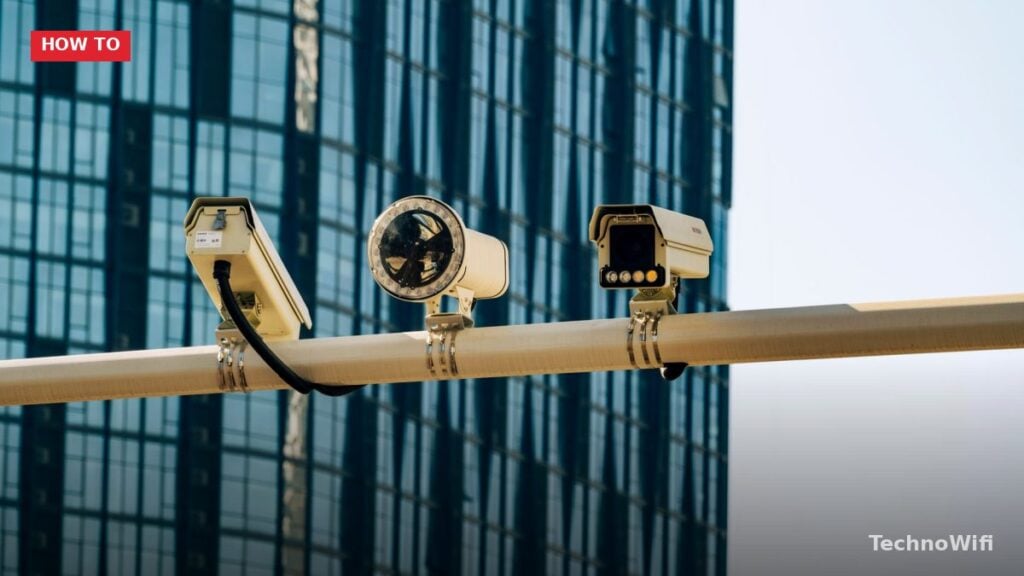
PIR (Passive Infrared) cameras include the Arlo Pro, Pro 2, Pro 3, Ultra, Essential, Go, and all wire-free models. These have a dedicated infrared sensor that picks up heat signatures moving through the camera’s field of view. When something warmer than the background (a person, animal, or car engine) crosses the detection zone, the sensor triggers a recording.
PIR sensors are naturally better at catching side-to-side movement across the frame than movement coming straight at the camera. Think of it like a trip wire. Something moving sideways crosses multiple detection zones, while something walking directly toward the lens might only trigger one. That’s why mounting position matters: aim the camera so expected traffic moves across the frame rather than directly toward it.
The sensitivity scale on PIR cameras runs from 1 (lowest) to 100 (highest). Higher numbers make the sensor react to smaller or cooler heat signatures from farther away.
Pixel-based cameras include the Arlo Q, Q Plus, and Baby monitor. Instead of detecting heat, these cameras compare consecutive video frames and look for pixel changes. Any visual change in the image triggers a detection. That means they react to shadows moving across a wall, shifting sunlight patterns, reflections, and pretty much any visual movement in the frame.
The sensitivity scale on pixel-based cameras runs from 1 to 9. These cameras tend to fire off more false alerts because they respond to visual changes that PIR cameras would completely ignore (like cloud shadows or headlight reflections).
How to Adjust Sensitivity
The steps are the same whether you’re using the Arlo mobile app or the web portal. The interface looks slightly different on each, but the settings are in the same place.
- Open the Arlo app on your phone (iOS or Android) or log in to my.arlo.com on a computer.
- Find the camera you want to adjust. Tap the Settings gear icon on that camera’s feed, or select the camera and go to its device settings.
- Look for “Motion Detection” under device settings. On newer app versions, this might be listed as “Motion Sensitivity” directly.
- Drag the sensitivity slider to your desired level. Moving it right increases sensitivity (detects smaller and farther movements), moving it left decreases it (only detects larger and closer movements). The change takes effect immediately, so there’s no save button to worry about.
- If your Arlo model supports activity zones (most current models do), set up zones to limit detection to specific areas of the camera’s view. More on this below.
- Test your new settings by walking through the camera’s field of view at the distance you want it to detect. Check whether it triggers a recording. Adjust and repeat until you’re happy with the results.
Recommended Sensitivity Settings
These are starting points based on common setups. Every environment is different. Trees, traffic patterns, ambient temperature (which affects PIR sensors), and camera angle all change what works best. Start here and fine-tune over the next few days based on the alerts you’re actually getting.
Indoor, low traffic (hallway, garage entry): 60-70. This range catches people walking through without triggering on minor air movement or pet activity. It reliably detects adult-sized heat signatures while filtering out most background noise.
Indoor with pets: 40-50. Cats and small dogs give off less heat than people and move closer to the ground, so dropping the sensitivity helps the camera look past them. It’s not perfect since a large dog close to the camera will still set it off, but it cuts down on pet-triggered notifications by a lot.
Outdoor, front door/porch: 70-80. You want the camera to catch visitors, delivery drivers, and anyone approaching your door. Higher sensitivity means the camera starts recording before someone reaches the door, not as they’re already walking away.
Outdoor, facing a busy street: 30-50. If your camera’s view includes a sidewalk or road, higher sensitivity means constant notifications. Dropping to 30-50 (and combining it with activity zones that exclude the street) lets you catch people on your property without getting pinged about every pedestrian.
Outdoor, backyard: 60-70. A good middle ground that catches people entering the yard while ignoring most wildlife and wind-blown stuff. If animals are triggering too many alerts, drop to 50.
Baby monitoring (Arlo Baby or indoor camera): 80-90. You want to catch small movements like a baby rolling over or standing up in a crib. False alerts are less annoying here because you’d rather catch everything than miss something.
Activity Zones: Your Most Powerful Tool
If the sensitivity slider alone isn’t solving your false alert problem, activity zones will. They let you draw rectangles on the camera’s view to define exactly where motion should trigger recordings. Anything that happens outside those zones gets completely ignored.
To set them up, open the Arlo app, go to your camera’s settings, and select “Activity Zones.” You’ll see a live or snapshot view from the camera. Draw a rectangle over the area you want to monitor, like your walkway, driveway, or front porch. Name the zone so you can tell what it covers. Most Arlo cameras let you create up to three activity zones.
The real value of activity zones is exclusion. If there’s a tree that sways in the wind and triggers false alerts, don’t try lowering sensitivity to ignore it. You’ll just end up missing real events. Instead, draw your activity zone so the tree is outside of it. The camera still records everything inside the zone while ignoring the tree completely.
Troubleshooting Common False Alert Sources
Trees, bushes, and foliage: This is the number one false alert source for outdoor cameras. Wind makes branches and leaves move, and both PIR and pixel-based systems pick it up. Use activity zones to exclude vegetation from the detection area.
Headlights and reflections: Cars passing at night throw headlight beams across walls, driveways, and windows. Pixel-based cameras are especially prone to this. Lower the sensitivity or use activity zones to cut the road out of the frame.
Shadows and sunlight changes: As the sun moves during the day, shadows shift. Pixel-based cameras read this as motion. PIR cameras handle it better since shadows don’t produce heat, but they can still trigger if the shadow passes directly over the sensor.
Insects and spiders: Arlo’s infrared night vision LEDs attract bugs. A spider building a web right in front of the lens will set off non-stop alerts. There’s no setting that fixes this. You’ll need to clear webs from the camera regularly and think about positioning it away from lights that draw insects.
Pets indoors: Drop sensitivity to 40-50 for most pets. Very large dogs may still trigger alerts at any level. For homes with both pets and security needs, mount the camera higher and angle it slightly downward so pets stay below the PIR sensor’s main detection zone.
This guide covers sensitivity adjustment for all current Arlo camera models including Arlo Pro, Pro 2, Pro 3, Pro 4, Ultra, Ultra 2, Essential, Essential XL, Go, Go 2, Q, Q Plus, Baby, and Video Doorbell. The app interface may vary slightly between Arlo app versions, but the underlying settings are the same. Activity zone availability depends on your Arlo subscription plan; some features may require Arlo Secure.