Nikon D3300 WiFi Review
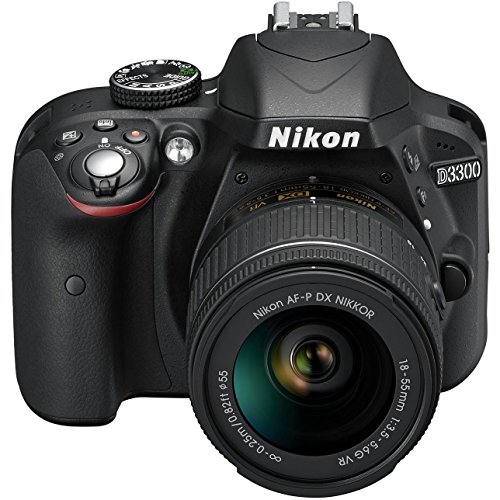
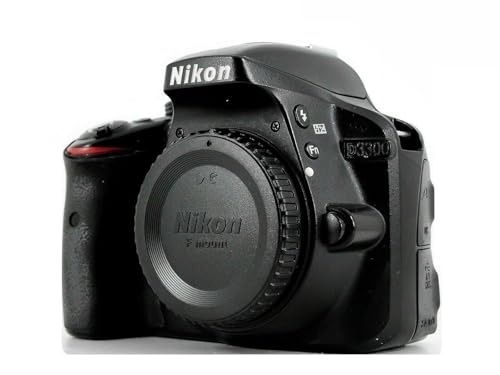
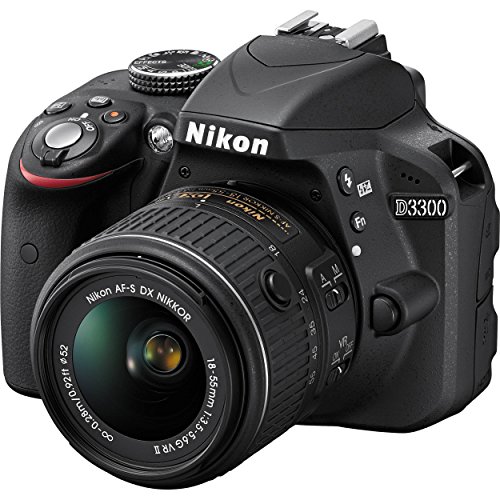
The Nikon D3300 wifi setup uses an optional wireless adapter (WU-1) that plugs into the camera for wireless photo transfers. It comes with a fixed 3-inch LCD and packs a strong 24MP APS-C sensor that still produces impressive images even by 2026 standards.
Originally launched in 2014, the Nikon D3300 quickly became one of the most popular entry-level Nikon DSLR cameras on the market. It was a big deal at that year’s Consumer Electronics Show, largely thanks to its collapsible 18-55mm f/3.5-5.6 VR II kit lens that made the whole package more portable.
What makes the D3300 interesting in 2026 is that it focuses on features that actually matter for photography rather than chasing trends. It doesn’t shoot 4K video or have a curved LCD, but its core photography capabilities remain genuinely competitive at its price point.
Key Features of the Nikon D3300
The standout specs include battery life lasting up to 700 shots, continuous burst shooting at 5 frames per second, and 1080/60p HD video recording. The Expeed 4 processor (the same one found in the higher-end D5300) keeps everything running smoothly.
The APS-C 24.2 MP DX-format sensor delivers high-resolution images with good detail and color accuracy. The ISO range spans 100-12800, expandable up to 25600, giving you decent flexibility in various lighting conditions.
The 1080/60p HD video mode was a meaningful upgrade over the older D3200 model, and the Expeed 4 processor added an extra frame per second in burst mode. The fixed 3.0-inch 921k-dot LCD provides a sharp view for reviewing images, though it doesn’t tilt or articulate like screens on newer models.
Nikon D3300 vs. Nikon D5300
Comparing the D3300 to the D5300 reveals a lot of shared DNA. Both cameras use the same 24MP APS-C sensor and the same EN-EL14a battery. The D3300 actually gets better battery life because it doesn’t have built-in GPS and WiFi features draining power in the background.
With up to 700 shots per charge, the Nikon D3300 wifi’s battery life beats most other entry-level DSLRs in Nikon’s lineup. That’s a meaningful advantage for long shooting sessions or travel photography where you can’t always charge up.
Autofocus System
The D5300 has a more advanced 39-point AF system with 9 cross-type sensors, which is better suited for action and sports photography. The Nikon D3300 uses an 11-point system with a single cross-type sensor, which is more basic but perfectly adequate for portraits, landscapes, and everyday shooting.
The D5300 also adds a vari-angle screen and built-in WiFi, two features the D3300 lacks. But for pure photography at a lower price, the D3300 holds its own.
How It Stacks Up Against Other Cameras
When the D3300 first launched, it competed against cameras like the Panasonic Lumix (with its flip touchscreen), the Olympus E-PM2 (fixed touchscreen), the Fujifilm X-A1 (built-in WiFi and twin command dials), and the Pentax K-500 (100% optical viewfinder coverage and 6fps burst).
Nikon D3300 WiFi also comes with its solid live view shooting feature, which is handy for tripod work and careful composition.
In 2026, the camera market has shifted heavily toward mirrorless systems. But on the used market, the D3300 still stands out as a budget-friendly option for anyone who wants to learn DSLR photography. Its battery life, resolution, and Nikon F-mount lens compatibility give it lasting appeal that many of its original competitors lack.
Is the Nikon D3300 Worth Buying in 2026?
The Nikon D3300 isn’t the cheapest camera you can find, but its feature set justifies the price. You get a 24MP APS-C sensor for high-resolution images, 1080/60p HD video, an Expeed 4 processor, and some of the best battery life in the entry-level DSLR category.
Used prices have dropped significantly since launch, making the D3300 an excellent value pickup for students, hobbyists, or anyone wanting their first real camera. The massive selection of Nikon F-mount lenses available on the used market means you can build a capable kit without spending much.
The lack of built-in WiFi is the most notable missing feature, but the optional WU-1 adapter fills that gap. Many photographers simply transfer photos via SD card anyway, so it’s not a dealbreaker for most people.
The premium features that come with this camera, including the high-resolution sensor, fast video recording, and exceptional battery life, make the slightly higher price worthwhile. It’s a smart purchase that stays relevant for years.
For anyone looking to get into photography without a large upfront investment, the Nikon D3300 remains a smart and capable choice in 2026.