Using the Canon 7D as a Vlogging Camera
The Canon EOS 7D has been a popular pick in the DSLR world thanks to its solid CMOS sensor and reasonable price tag. It’s a mid-range option that handles both photography and videography well enough for most creators.
This Canon 7D Vlogging guide breaks down everything vloggers need to know before deciding if this camera is right for their setup. Let’s get into it.
Canon has long been the go-to brand for DSLR buyers, and for good reason. They’ve got options at every price point, and the EOS 7D sits in a sweet spot for people who want quality without breaking the bank.
The Canon EOS 7D works well for casual shooters and more experienced users alike, making it a versatile choice.
Why the Canon EOS 7D Works for Vlogging
Vlogging has turned into a real career path for thousands of people. Whether you’re into tech content or travel videos, there’s money and audience growth waiting if you put in the work.
If you’re just getting started with vlogging, you need a camera that shoots solid video and takes decent photos without constant fiddling.
Canon’s EOS 7D packs an APS-C CMOS sensor that checks those boxes. You can swap between multiple lenses on this body to cover different shooting scenarios.
The Build Quality of Canon 7D
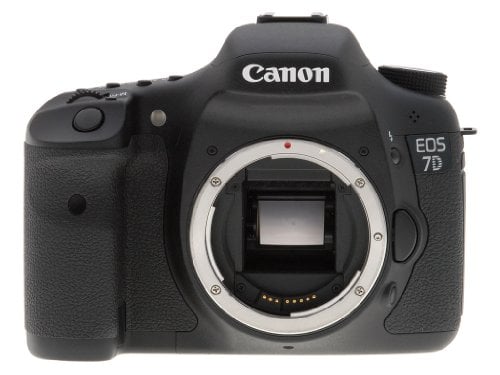
As you’d expect from Canon, the EOS 7D follows the brand’s familiar design language. It’s compact enough to hold comfortably, and recording video with it feels natural, not awkward.
We break down Canon 6d mark ii vlogging in a separate post that complements this one.
You can actually hold this camera in one hand while recording, which is a big plus for run-and-gun vlogging.
The accessory mount system opens up your options too. Attach a tripod, external flash, or shotgun mic and you’ve got a much more capable setup for video production.
The rubberized back panel gives you a solid grip and adds a premium feel. All the physical controls, including the mode dial and button layout, are accessible on the front of the body.
Performance of Canon 7D
The Canon EOS 7D features an 18-megapixel APS-C CMOS sensor with an ISO range of 100-6400, expandable to 12800. It uses 19 autofocus points for tracking subjects.
The continuous shooting speed hits eight frames per second, so you can capture fast-moving moments with ease.
It supports a maximum video resolution of 1080p, which is full HD. That’s fine for most vlogging platforms, though 4K isn’t an option here.
For a different take, see our guide on Canon cameras for beginners.
There’s a built-in pop-up flash for low-light situations, and overall performance stays consistent during extended shooting sessions.
Movie Mode of Canon 7D
Movie Mode gives vloggers a quick way to start recording without digging through menus. The camera offers full manual control, so you can adjust shutter speed and aperture to get the exact look you want.
There’s a built-in microphone for capturing audio while recording. The maximum video resolution is 1080p (full HD), and a dedicated jack lets you plug in an external mic for better sound quality.
Under the hood, a Dual Digic 4 Processor powers the sensor and keeps everything running smoothly during recording.
Multi-lens Compatibility of Canon 7D
Being a DSLR, the Canon EOS 7D lets you swap lenses to match whatever you’re shooting. Canon’s entire range of EF and EF-S lenses works with the built-in sensor, and you can also use compatible third-party options.
For vloggers, this flexibility matters. Different types of videos call for different focal lengths, and the EOS 7D can handle all of them.
Clearview LCD Screen of Canon 7D
The EOS 7D features an extra-large 3″ Clearview LCD 2 screen that doubles as your viewfinder. With a 170-degree viewing angle, it covers the entire scene within the frame.
The display sits behind toughened glass, so scratches aren’t really a concern during everyday use.
Limitations of Canon EOS 7D
- Video maxes out at 1080p resolution. There’s no 4K recording option on this camera.
- The LCD screen doesn’t articulate or flip. It’s a fixed display with no touch sensitivity, so you’ll rely on button controls for adjustments.
- Wireless connectivity is absent. No Wi-Fi, Bluetooth, or NFC here. You’ll need a cable to transfer files to your computer.
- White balance can be unreliable under artificial lighting. The camera does well in natural light, but indoor shooting may require manual adjustments.
The Bottom Line
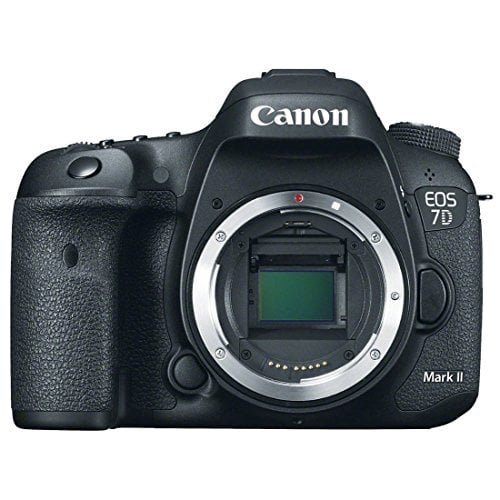
The Canon EOS 7D is a solid DSLR that packs enough features to handle quality video from multiple angles. It supports a wide range of lenses and gives you full manual control.
The comfortable, compact body makes it practical for extended shoots.
If you’re working with a tighter budget but still want a capable, multi-purpose camera, the Canon EOS 7D remains a solid option on the used market.