Adjust Nikon D500 Wedding Photography Settings
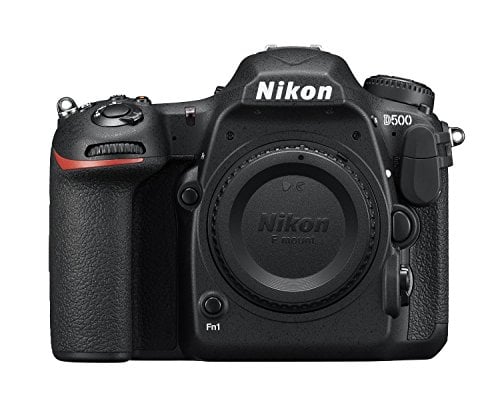
The Nikon D500 is known primarily as a sports and action camera, but it doubles surprisingly well as an excellent wedding camera. With its 58mm f/1.4 focus capability, this APS-C body captures stunning shots at weddings and receptions that rival full-frame results.
Its solid build quality, comfortable ergonomics, fast burst rate, and lightning-quick autofocus system are just some of the reasons Nikon D500 wedding photography produces images that everyone loves. The action-oriented AF system actually comes in handy for tracking a bride walking down the aisle or catching candid reception moments.
Customized settings for Nikon D500 wedding photography
Step 1. Setting the aperture
Nikon D500 wedding photography settings – aperture- For capturing tender, emotional moments, set your aperture to around f/5.6. This creates a nice focus on the bride and groom’s expressions while gently softening the background.
When you’re shooting multiple wedding moments back to back, switch to continuous shooting mode and hold down the shutter button to catch everything.
Candid moments call for different settings. For those, try a smaller aperture of f/14 or higher to keep more of the scene in focus.
- If you want to photograph arriving and departing guests along with their interactions, pick a large aperture in the f/2.8 to f/5.6 range. This keeps your main subject sharp while creating a naturally blurred background.
Step 2. Setting the shutter speed
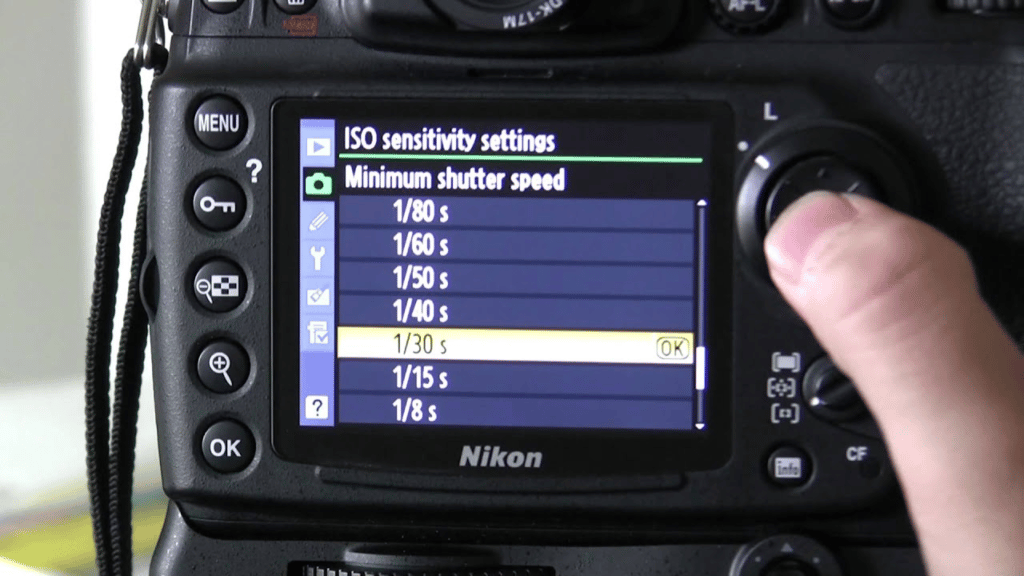
- During special events like the vows or walking down the aisle, use a slow shutter speed around 1/40 s. This allows more light in for those dimly lit church moments.
- For candid moments during the ceremony, keep your shutter speed at 1/250th of a second or faster. Going below this will often result in blurry images, especially with moving subjects.
As the couple exits, a shutter speed of about 1/125th of a second tends to work well.
- For posed, formal wedding shots, don’t be afraid to get creative. A shutter speed around 1/160s will keep everything tack sharp while giving you room to experiment.
Step 3. Setting the ISO sensitivity
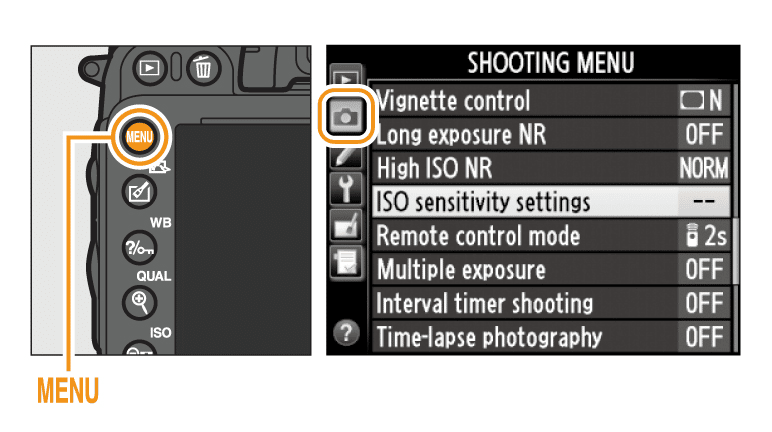
- ISO is your friend when lighting conditions change throughout the day. For formal, posed shots, mount the camera on a tripod and keep ISO low at around 100. This minimizes grain and keeps your images looking clean. The D500’s APS-C sensor handles higher ISO values well, so don’t be afraid to push it to 1600 or even 3200 during low-light reception moments.
Step 4. Setting the flash
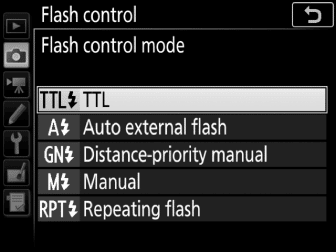
- For formal shots, fire the flash while keeping a wide aperture and high shutter speed. This combination balances ambient light with flash output nicely.
- During special events, try slow sync flash mode for a creative effect. This keeps the center of the frame sharp while letting background light streak in. Use the on-camera flash for this.
- Candid shots benefit from flash too. It freezes the action and works great for funny, spontaneous moments. Pair it with a warming filter like 81A to avoid that harsh, bluish flash look.
- When the couple is departing, use flash to keep the image sharp against any motion.
- For a silhouette shot, step away from the crowd and turn off the flash entirely. The multi-zone metering mode helps nail the exposure here.
Pro-tip:
For dramatic coverage of special events, turn the mode dial to TV or S mode. If you need more power from your flash, consider bringing external flash units as an addition to the built-in one.
Slow sync flash is a great choice here because it keeps the shutter open longer, letting in more ambient light for better overall exposure.
What is the recommended equipment?
When shooting a wedding, always bring a backup camera body. Things can and do go wrong at the worst times.
Pack a telephoto zoom along with a wide-angle lens so you can switch between the two quickly. Since the D500 is an APS-C body, remember that your effective focal lengths are multiplied by 1.5x compared to full-frame.
Also, bring extra batteries because you’ll burn through them faster than you think. Separate, off-camera flash units give you much more flexibility than the built-in flash alone.
Large gold and silver reflectors are also worth packing. They help maintain warm, flattering light on your subjects, especially during outdoor portraits.
Bottom line
Wedding photography creates memories that last a lifetime, and as the photographer, there’s real pressure to get it right. The Nikon D500’s sports-camera DNA actually helps here, since its fast AF and burst rate mean you won’t miss those split-second moments.
Keep these settings and tips handy on your next wedding shoot. They’ll take some of the stress out of the day and let you focus on capturing beautiful images.