CCTV systems capture video footage of a specific area using cameras.
That footage gets sent to a recording device, usually an NVR (Network Video Recorder) or DVR (Digital Video Recorder), where it’s stored. You can also connect to computers or smartphones to watch the footage live.
In 2026, more and more people are moving away from local-only storage and connecting their cameras to cloud services. Cloud storage gives you remote access from anywhere, automatic backups, and protection against theft or damage to your physical recording equipment.
What is Cloud CCTV
Cloud CCTV is a monitoring and recording service that works for both homes and businesses, no matter the size.
All you need is an internet connection, an IP network camera, and a subscription to a cloud service. Once you sign up with your chosen provider, you can set up your cameras on the network and start recording.
Storing CCTV footage on physical media like DVDs or local drives comes with real risks. Things get lost, damaged, or stolen. Cloud storage is a much safer option because the footage lives on remote servers that are backed up and protected by the service provider.
Cloud storage providers offer plans at reasonable prices. If you’ve got reliable broadband, setting up your CCTV cameras to store footage in the cloud is pretty straightforward. It might look complicated at first, but it’s really not.
The key is following each step in order. Skipping ahead tends to cause problems.
Benefits of Cloud Storage for CCTV in 2026
Before jumping into the setup, it’s worth understanding why cloud storage makes sense for security cameras.
Remote access
With cloud CCTV, you can pull up your camera feed from any device with an internet connection. Whether you’re at the office, on vacation, or just in another room, you can check in on your property through a phone app or web browser.
Protection from physical theft
If a burglar breaks in and steals your DVR, all your local footage goes with it. Cloud storage keeps a copy off-site, so even if someone takes the recording hardware, the footage is safe on the provider’s servers.
Automatic backups
Most cloud services automatically save footage as it’s recorded. You don’t have to remember to back anything up manually. If a hard drive fails or a power surge damages your equipment, the cloud copy is still there.
Scalability
Adding more cameras to a local DVR means buying bigger hard drives or additional recording units. With cloud storage, you just upgrade your plan. This makes it much simpler to expand your camera system over time.
Lower upfront costs
Some cloud CCTV setups don’t need a DVR or NVR at all. The cameras record directly to the cloud, which means less hardware to buy and maintain.
Choosing the Right Cloud Service
Not all cloud storage services work with every camera brand. Here are some things to check before committing to a provider.
Compatibility
Make sure the cloud service supports your camera model. Many camera manufacturers offer their own cloud platforms. For example, Hikvision has Hik-Connect, Reolink has its own cloud, and Arlo uses Arlo Secure. Third-party services like Google Drive or Dropbox can work in some setups, but the integration is usually more complicated.
Storage plans and pricing
Compare how much footage each plan stores and for how long. Some services keep recordings for 7 days, others for 30 days, and premium plans may store up to 60 or 90 days. Cloud plans range from free tiers with limited storage to premium plans that cost $10 to $30 per month per camera.
Encryption and security
Your surveillance footage is sensitive. Look for providers that use end-to-end encryption and offer two-factor authentication for account access.
So, how do you connect CCTV cameras to the cloud?
The Installation Process
Start by inserting the software CD or DVD that came with your CCTV camera into your computer’s optical drive. If your computer doesn’t have one (most don’t these days), download the software from the manufacturer’s website instead. Then run through the installation.
Mount the camera somewhere with a clear view of the area you want to monitor. Think about angles, height, and lighting. A camera mounted too high may capture the tops of heads instead of faces. Too low and it can be easily tampered with.
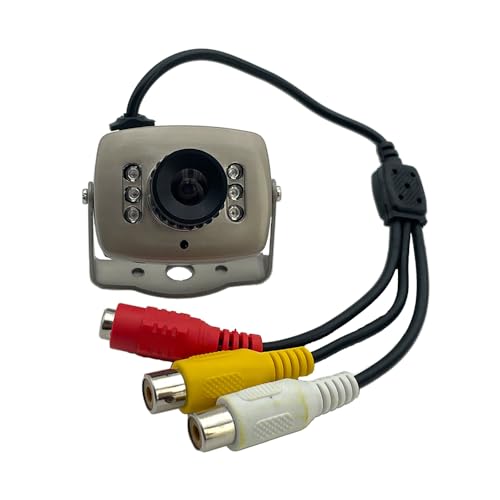
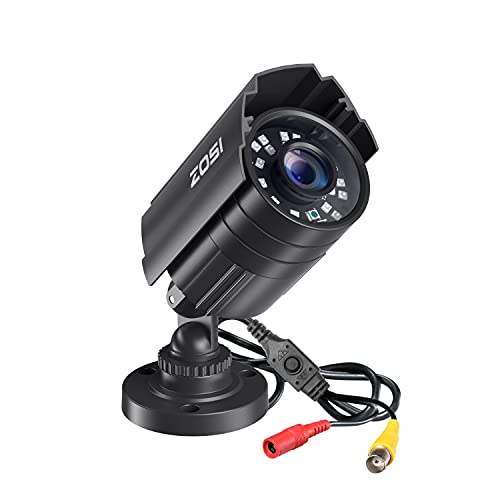
CCTV systems use different cables. Some rely on coaxial cables, others use standard USB connections. Check your documentation to see which type your system needs.
Some setups include a router, which lets you connect multiple cameras. Make sure each camera plugs into an available port on the router.
Next, connect the cameras to power. USB-powered systems get their juice through the USB cable itself, so you won’t need a separate power source for those. PoE (Power over Ethernet) cameras get power through the network cable, which simplifies wiring even further.
Open the CCTV camera software on your computer and tweak the settings for the best video quality.
Building the Connection with the Software Setup
Step 1. Securing the System
Lock down your DVR or NVR with a password. Go to settings, then system, then admin user ID, then password. Make sure your internet connection is active before moving on.
Use a strong password with a mix of letters, numbers, and special characters. Default passwords are one of the biggest security holes in CCTV systems. Change it immediately after setup.
Step 2. Downloading the Application
Download the app that’s compatible with your CCTV camera for cloud access. Add the recorder by pressing the relevant button, entering the cloud ID and password, saving, and logging in.
Third-party apps might need additional control installations. Refresh your browser after setup, then connect everything.
Most manufacturers have both a mobile app and a desktop client. Install whichever one matches how you plan to monitor your cameras.
Step 3. Changing the IP Address
Turn off DHCP and assign a static local IP address. Enter the IP address and change the web port from the default to a number you prefer.
Using a static IP prevents your camera from getting a new address every time the router restarts. If the IP changes, the cloud connection can break, and you’ll have to reconfigure everything.
Step 4. Adjust the Router Settings
Open your router’s settings page. Go to settings, then security, then port, then enter the port details and hostname.
If you’re not comfortable changing router settings, most newer cloud CCTV systems use P2P (peer-to-peer) connections that skip port forwarding entirely. Check your camera’s documentation to see if P2P is supported.
Step 5. Establishing a Direct Connection with the App
For a direct connection, pick IP or domain name and type in the hostname, port number, and device password.
If you’re using a PC browser instead, enter the device’s username and password, then log in.
That’s it. Your CCTV camera should now be connected to the cloud.
Troubleshooting Cloud Connection Issues
If the cloud connection isn’t working after setup, run through these checks.
Check your internet speed
Cloud CCTV needs decent upload speed. Each camera streaming at 1080p uses about 2 to 4 Mbps of upload bandwidth. If your internet plan only offers 5 Mbps upload and you have three cameras, you’ll run into buffering and dropped connections. Run a speed test and confirm you have enough upload headroom.
Restart everything
Power cycle the camera, the DVR or NVR, and your router. Wait 60 seconds between unplugging and plugging back in. This clears temporary glitches and forces fresh connections.
Check firewall settings
Some routers block the ports your CCTV system needs. If you set up port forwarding in Step 4, verify the ports are open. You can use an online port checker tool to test.
Update firmware
Outdated firmware can cause cloud connectivity problems. Check the manufacturer’s website for the latest firmware version and install it if yours is behind.
Summing it Up
Getting a CCTV camera connected to cloud storage comes down to picking the right location, powering the device, and syncing everything with your cloud service. Follow the steps above and you’ll have it running without any headaches. In 2026, cloud storage is the smartest way to protect your surveillance footage from loss, theft, and hardware failure.
See Also
How to Record IP Cameras to the Cloud