When you purchase through links on our site, we may earn an affiliate commission. Here’s how it works.
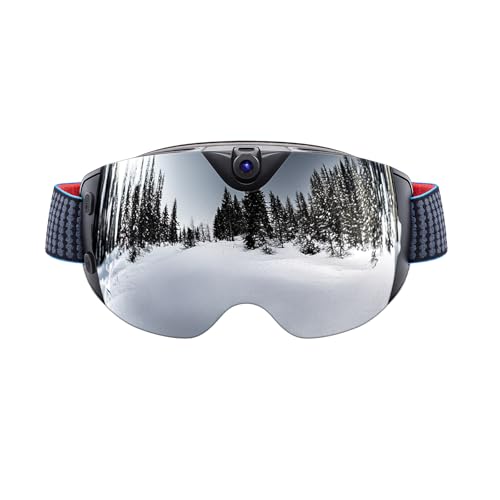
The idea of snow goggles with a built-in camera is brilliant on paper. No helmet mount sticking up, no chest use, no selfie stick, just put on your goggles and ride. The Zeal HD2 was one of the boldest attempts to make this concept work, packing an HD camera right into the goggle frame. But how did it turn out, and where does this category stand today?
Let me take you through the Zeal HD2, what it got right, what held it back, and what your best options are for filming your runs in 2026.
The Zeal HD2: What It Was
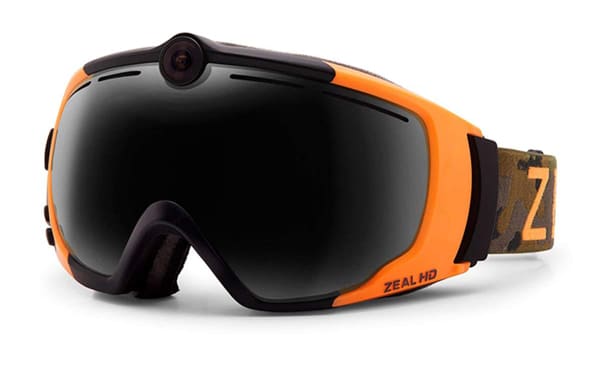
Zeal Optics, a Colorado-based brand known for premium snow goggles, built the HD2 with a small HD camera integrated into the top of the goggle frame. The idea was simple: you wear them like any other goggles, press a button on the side to start recording, and capture your perspective without any extra gear.
The camera module sat above the right lens and recorded 1080p video with a wide-angle lens designed to capture a field of view similar to what you actually see while skiing or snowboarding. It also captured still photos, and some versions included GPS data overlay so you could see your speed and altitude in the footage.
What Worked
The convenience factor was real. Riders who used the Zeal HD2 loved not having to fiddle with a separate action camera or worry about a GoPro mount coming loose mid-run. The goggles themselves were quality Zeal products with good optics, comfortable foam, and solid ventilation. You were not sacrificing goggle performance to get the camera feature.
The POV angle from goggle-mounted cameras also tends to be more natural than helmet-mounted cameras, which sit higher and can make footage look oddly improved.
What Held It Back
The camera technology of the era could not quite match dedicated action cameras. Image stabilization was limited compared to what GoPro and others were offering in standalone units. Battery life was a concern, cold weather drains batteries fast, and having the camera and goggles share a power source meant tough choices on long ski days.
Video quality, while acceptable, did not match what you could get from a GoPro Hero mounted on your helmet. And when GoPro and other action cameras kept getting smaller, lighter, and more capable, the advantage of an integrated camera became less compelling.
The Zeal HD2 Today: Discontinued
Zeal Optics eventually discontinued the HD2 and moved away from camera-integrated goggles entirely. The company now focuses on their core goggle lineup with features like automatic tint adjustment and optimized lens technology. You might still find used Zeal HD2 goggles online, but they are a collector’s curiosity at this point rather than a practical purchase.
Other brands that experimented with camera goggles, like Liquid Image and Pivothead, have similarly moved on or shut down. The integrated camera goggle as a product category never achieved mainstream success.
Camera Goggles in 2026: What Are Your Options?
The market has shifted away from goggles with built-in cameras and toward better ways to mount standalone action cameras to your existing gear. Here is what actually works well right now.
GoPro Goggle Mounts
The most popular approach is mounting a GoPro or similar action camera to your helmet with the lens positioned at goggle level or just above. Modern GoPro cameras have incredible stabilization (HyperSmooth), excellent low-light performance, and can handle extreme cold better than earlier models. You get flagship video quality without compromising your goggle choice.
Several companies make low-profile mounts that keep the camera tight against your helmet, reducing the “antenna on your head” look of older top-mount setups.
Insta360 Options
Insta360 cameras have become hugely popular with snow sports enthusiasts. The Insta360 X series captures 360-degree video, which lets you reframe your footage after the fact. Mount it on your helmet, chest, or even a pole, and choose your camera angle during editing. It is an incredibly flexible approach.
The Insta360 GO series offers a tiny, lightweight camera that can clip to your goggle strap without adding significant bulk. It is the closest modern equivalent to the integrated camera goggle concept.
DJI Action Cameras
DJI has entered the action camera space with competitive options that rival GoPro in stabilization and video quality. Their magnetic mounting system makes it quick to attach and detach the camera from your gear, which is convenient when you want to film some runs but not others.
Chin-Mount POV
One trend that has exploded in recent years is chin-mounting your action camera on a full-face or motocross-style helmet. This gives you a perspective that is very close to the natural goggle-level view that the Zeal HD2 was going for, with all the video quality of a standalone camera. Chin mounts are available for most helmet styles and are popular with both skiers and motorcyclists.
Should You Buy Camera Goggles in 2026?
There is currently no major brand producing high-quality snow goggles with integrated cameras that can compete with a modern action camera on video quality. The concept was ahead of its time, but standalone action cameras got so good, so small, and so affordable that the integrated approach lost its practical advantage.
Your best bet is to buy the best goggles you can for optical quality and comfort, then pair them with a modern action camera mounted to your helmet or body. You will get better footage, more flexibility in mounting positions, longer battery life from dedicated camera batteries, and the ability to upgrade each component independently.
If someone does revive the integrated camera goggle concept with modern sensor technology and stabilization, it could be compelling. But for now, a great pair of goggles plus a GoPro, Insta360, or DJI camera is the way to go.