When you purchase through links on our site, we may earn an affiliate commission. Here’s how it works.
Do You Need a Flip Screen for Vlogging?
“Do you need a flip screen for vlogging?” It’s one of the most common questions from people starting out in video content creation. And the honest answer is: it depends on how you shoot. But for most vloggers, a flip screen makes life a lot easier.
Digital cameras come with LCD screens for reviewing footage and adjusting settings. Most fixed-screen cameras work fine when you’re behind the camera, but things get tricky when you need to record yourself. That’s where a flip screen or tilting display changes the experience.
Professional vloggers with fixed-screen cameras usually rely on tripods and pre-set framing to self-record. It works, but you’re basically guessing at your positioning until you review the footage. A flip screen lets you see exactly what the camera sees in real time, even when you’re in front of the lens.
Here are the main advantages of having a flip screen on your vlogging camera in 2026.
Advantages of a Flip Screen for Vlogging
1. Get the Perfect Shot Every Time
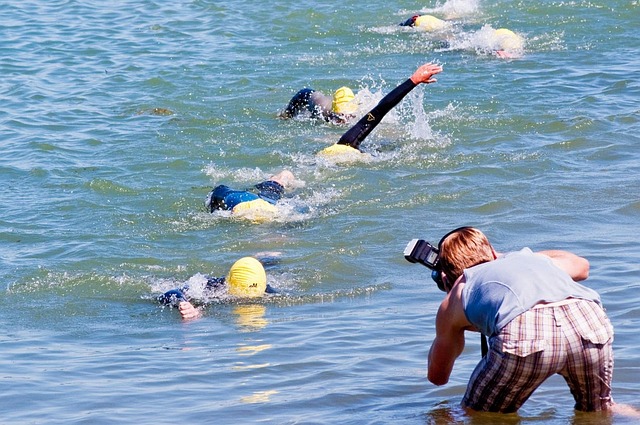
Do you need a flip screen for Vlogging – ideal shot
Sometimes you find the perfect camera position, but you can’t see the screen because of the angle. Maybe you’re reaching the camera into a tight space or holding it overhead. A tilting screen lets you monitor your framing no matter where the camera is pointed. No more guessing.
2. Shooting Freedom
Vlogging means recording from all kinds of angles. With a fixed screen, you have to physically get behind the camera every time you want to check your shot. A flip screen removes that limitation. You can tilt the display toward your face and see exactly what’s being recorded while you keep shooting.
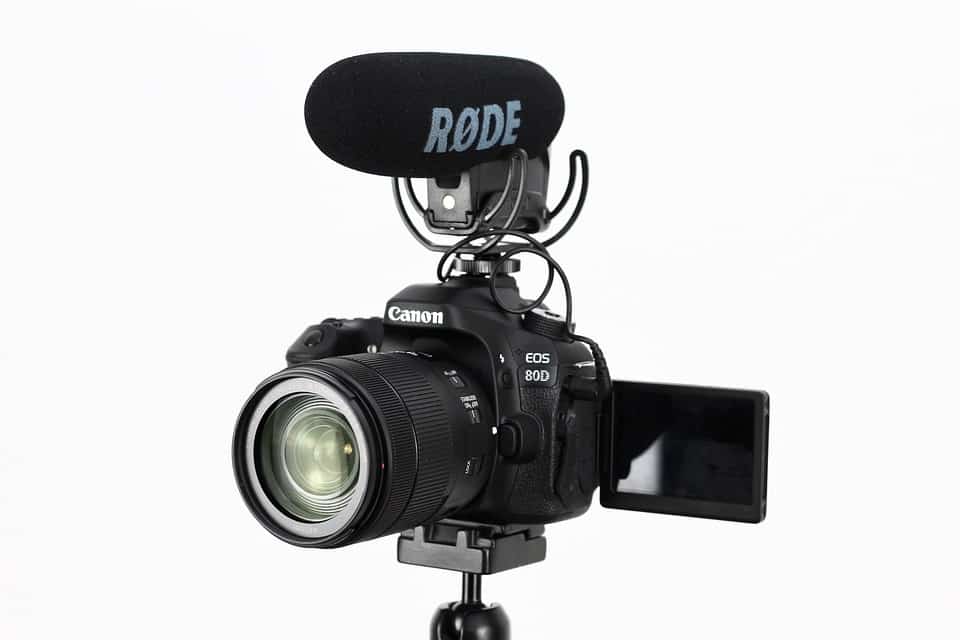
Do you need a flip screen for Vlogging – flip screen
3. Easy Selfies and Self-Recording

Do you need a flip screen for Vlogging – a selfie
Smartphones made front-facing cameras standard, but when you want higher quality self-recordings with a dedicated camera, a flip screen is the answer. You can frame yourself perfectly, adjust focus, and check your background without needing anyone else’s help. Solo vloggers especially benefit from this.
4. Multi-Angle Shooting
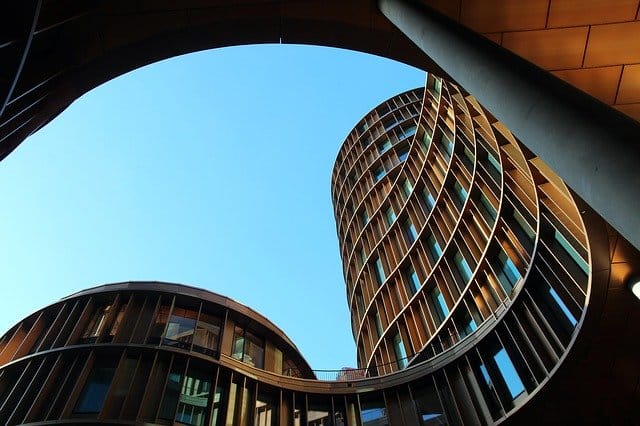
Do you need a flip screen for Vlogging – angle
Good vloggers know how to work different angles. In crowded places, you might need to hold the camera high above your head or down at ground level. With a tilting screen, you can position the camera wherever you need it while still seeing the frame clearly. Ground-level shots become easy since you don’t have to bend down or lie on the floor to check your composition.
5. Adjust Settings on the Fly
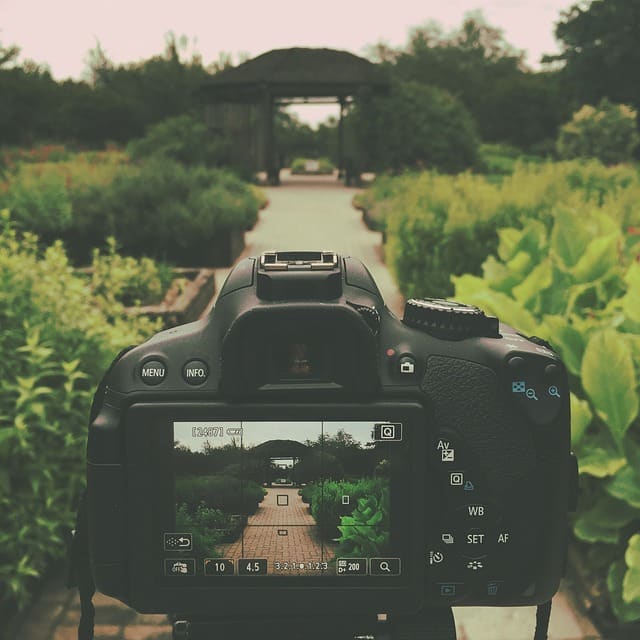
Do you need a flip screen for Vlogging – tweak camera settings
Since you can move the screen freely, changing camera settings mid-shoot becomes much simpler. Many modern cameras with flip screens also offer touchscreen controls, so you can adjust brightness, contrast, shooting modes, and focus with a quick tap. That flexibility matters when lighting conditions change or you switch between indoor and outdoor shooting.
6. Screen Protection
Fixed screens sit exposed on the back of the camera all the time. They’re vulnerable to scratches, bumps, and accidental damage. A flip screen folds inward against the camera body when you’re not shooting. It’s a built-in layer of protection that keeps your display safe during transport and storage.
So, Do You Need One?
Whether you shoot casually or professionally, a flip screen adds real convenience to your workflow. For vloggers who record themselves, shoot from unusual angles, or work solo, it’s close to a necessity. Here are five cameras with flip screens that are well-suited for vlogging in 2026.
1. Canon PowerShot G7 X Mark II
Canon’s PowerShot line is known for compact, capable cameras, and the G7 X Mark II is a vlogger favorite. It features a 20.1-megapixel CMOS sensor, a flip-screen touchscreen, and touch-panel settings for quick adjustments. Image quality is sharp, and the compact body fits easily in a bag or pocket.
Pros:
- Flip-screen with touchscreen controls
- 20.1 MP CMOS sensor
- Touch-panel for easy setting changes
- Great image quality with high-quality video
Cons:
- No 4K video recording
- Battery life is relatively short
2. Sony Cyber-Shot DSC-RX100 V
Sony’s Cyber-Shot series delivers premium build quality and strong performance. The RX100 V packs a 20.1-megapixel 1″ Exmor RS stacked back-illuminated CMOS sensor into a pocket-sized body. It records 4K video, supports super slow-motion, and shoots continuously at 24fps. The Electronic ViewFinder provides sharp, high-contrast framing.
Pros:
- 20.1 megapixel 1″ Exmor RS CMOS sensor
- Pocket-friendly design with sturdy build
- 4K video recording
- Electronic ViewFinder with sharp resolution
- Built-in autofocus
- Super slow-motion video
- 24fps continuous shooting
Cons:
- Battery life could be longer
3. Panasonic Lumix FZ300 Long Zoom Digital Camera
The Lumix FZ300 bridges the gap between compact cameras and DSLRs. It has a flip screen for easy self-recording, a 12.1-megapixel CMOS sensor, and records 4K video. The 24x zoom lens and rugged, splash-proof body make it a strong choice for vloggers who shoot outdoors.
Pros:
- 12.1 Megapixel CMOS sensor
- Rugged, durable body
- Electronic ViewFinder
- 4K video recording
- 24x zoom lens
Cons:
- Autofocus can be inconsistent at times
4. Panasonic Lumix G85 4K Digital Camera
The Lumix G85 is a mirrorless camera with a 3-inch articulated touchscreen. Dual image stabilization keeps your footage smooth, and the mirrorless interchangeable lens system gives you flexibility as your skills grow. It records 4K video and offers both physical button controls and touchscreen operation.
Pros:
- 3″ articulated touchscreen
- Button controls and touchscreen for settings
- High-quality image capture
- 4K video recording
- Mirrorless interchangeable lens
- Dual image stabilization
Cons:
- Autofocus can struggle with fast-moving subjects
5. Sony a5100
The Sony a5100 is a compact mirrorless camera with a 3-inch tilting touchscreen and a 24-megapixel APS-C sensor. Autofocus is fast and accurate, and it performs well in low-light situations. The pocket-friendly design and premium build make it easy to carry everywhere.
You can change focus, zoom, and adjust contrast right from the touchscreen. It’s a great all-around option for vloggers who want quality footage in a small package.
Pros:
- 3″ tilting touchscreen display
- Ultra-fast autofocus
- Full HD video recording
- Strong low-light performance
- Pocket-friendly design
- Premium build quality
Cons:
- No 4K video recording
Final Thoughts
A flip screen camera makes vlogging more productive and more enjoyable. The tilting display gives you freedom to record from any angle, frame yourself without help, and protect your screen when you’re done. Compare the cameras listed above, check the specs against your needs, and pick the one that fits your vlogging style best.