When you purchase through links on our site, we may earn an affiliate commission. Here’s how it works.
How Do Noise Cancelling Headphones Work? The Physics Explained
Ever wondered how noise cancelling headphones work, from a physics perspective? Most of us wear headphones to block out the world, whether we’re commuting, waiting at an airport, or just trying to focus. But the science behind how these headphones actually eliminate background noise is pretty interesting.
This article breaks down the physics of noise-cancelling headphones in plain terms. Before we get into the science, let’s talk about why they’re worth considering in the first place.
Why Buy Noise-Cancelling Headphones?
Noise-cancelling headphones are a step up from regular headphones in one big way: they actively reduce background noise so you hear more of your music and less of everything else.
If you’re a frequent traveler, a gym regular, or someone who spends hours listening to music, noise-cancelling headphones are a solid upgrade. They let you enjoy your audio without cranking the volume to compete with your surroundings.
Noise-Cancelling Technology
These headphones use specialized technology to isolate environmental noise. The result is that you hear your music, podcasts, or calls clearly without outside interference.
The technology adds cost to the headphones, so noise-cancelling models do run pricier than standard ones. But for most listeners, the difference in audio experience is well worth the extra money.
Physics of Noise Cancelling Headphones
Noise-cancelling headphones fall into two categories: Active Noise Cancellation (ANC) and Passive Noise Cancellation (PNC). Each type uses a different approach to reduce unwanted sound.
Our guide on do babies need noise-canceling headphones goes into more detail if you need it.
How Do Noise Cancelling Headphones Work Physics? – physics of noise-canceling headphones
Active Noise Cancelling Headphones
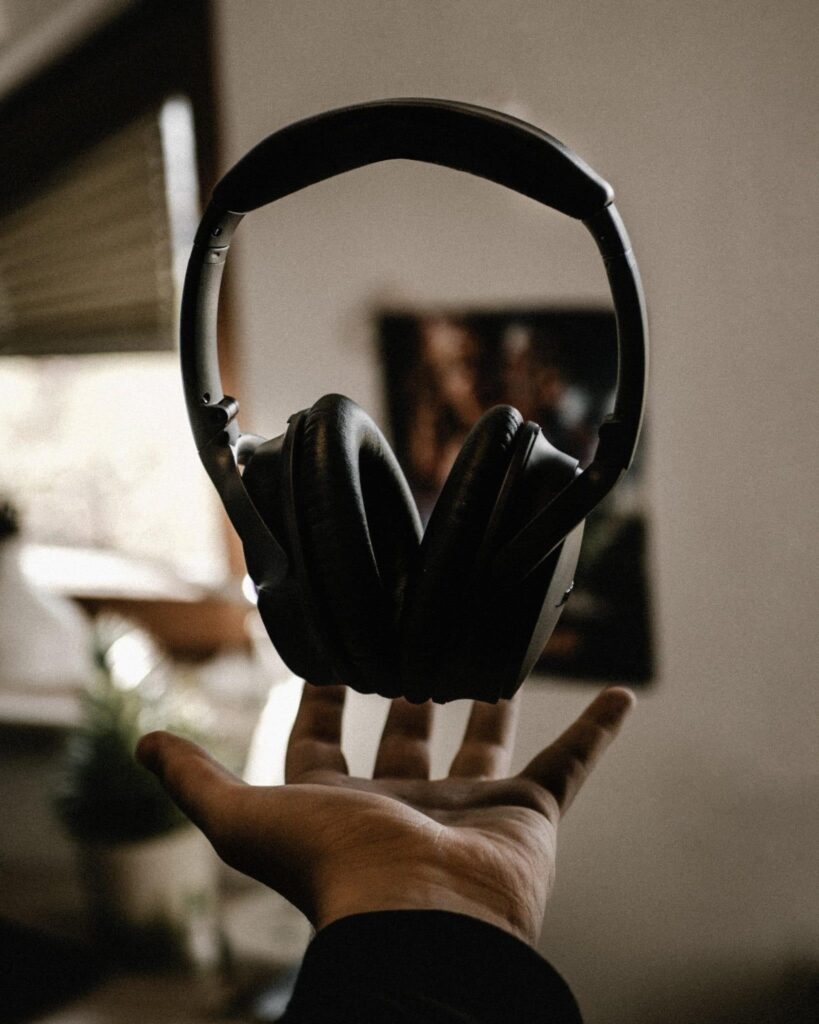
Active Noise Cancelling (ANC) headphones use built-in microphones on the outside of each earcup. These microphones pick up ambient sound from your environment.
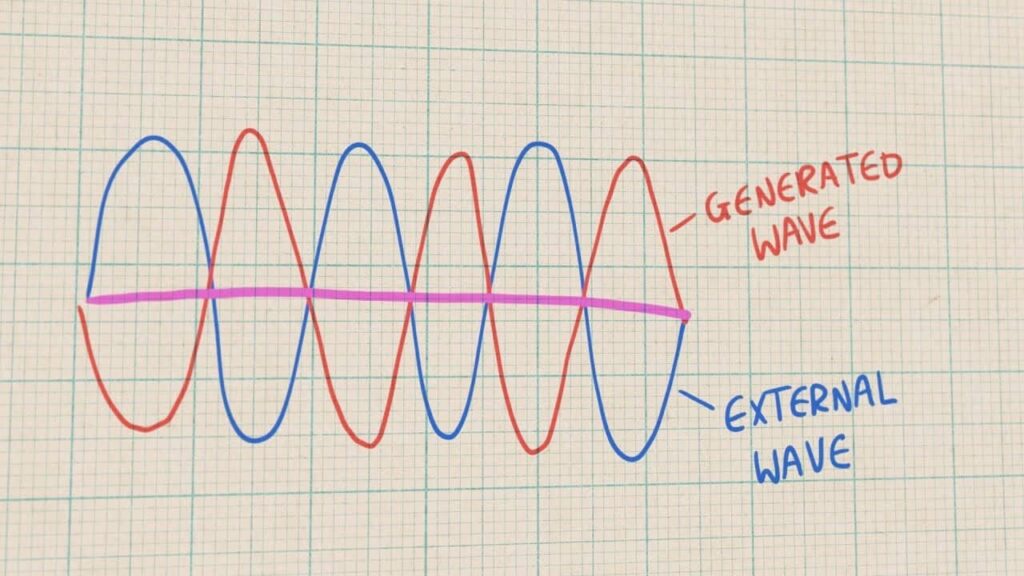
Here’s where the physics comes in. The headphones analyze those incoming sound waves and generate an “anti-wave,” a sound wave that’s the exact opposite of the environmental noise. When these two waves meet, they cancel each other out. The technical term for this is “destructive interference,” and the result is near-silence.
ANC headphones are the top choice for people who want the best possible noise reduction. They’re great for airplane cabins, noisy offices, and public transit.
Because the technology is more advanced, ANC headphones cost more than passive models. Expect to pay a premium, but the noise reduction is noticeably better.
Passive Noise Cancelling Headphones
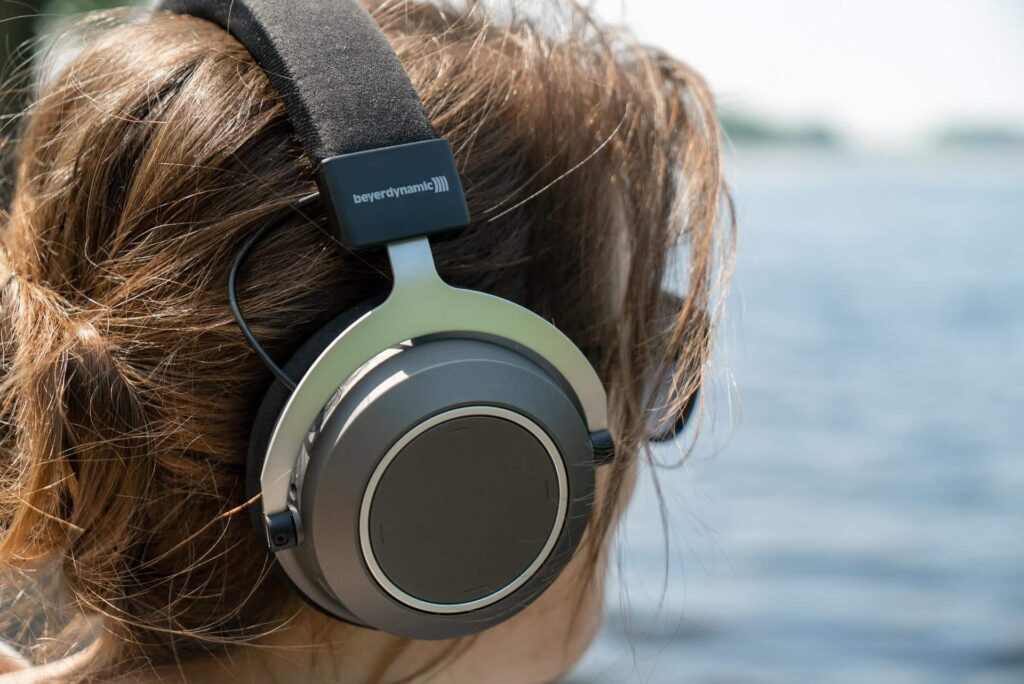
Passive noise-cancelling headphones take a simpler approach. Instead of generating anti-waves, they rely on physical materials to block sound. The earcups are designed with dense, noise-insulating padding that creates a seal around your ears.
What is Passive Noise Canceling Headphones
Think of it like wearing earmuffs. The thick padding physically blocks sound waves from reaching your ears. No electronics involved, just good old insulation.
Passive noise-cancelling headphones are a smart choice if you don’t need professional-grade isolation. They’re budget-friendly and still deliver a much better listening experience than basic earbuds or open-back headphones.
We also wrote a hands-on guide on headphones for toddlers that you might find useful.
How Do the Headphones Cancel Outside Noise?
The physics behind ANC is called “anti-phase.” Here’s how it works in more detail.
Sound travels in waves. Each wave has peaks (high points) and troughs (low points). When the headphone’s microphone picks up an environmental sound wave, the ANC circuitry creates a mirror-image wave. This anti-wave has its peaks where the original wave has troughs, and vice versa.
How Do the Headphones Cancel Noise from the Outside
When these two waves combine, they flatten each other out. The result is a flat line, which means zero sound. The wave lengths vary depending on the noise frequency, but the technology adjusts automatically to match.
The bottom line: the headphones add one wave and subtract another, and you’re left with just the audio you actually want to hear. No environmental noise mixed in.
What Makes Noise-Cancelling Headphones Different?
The key hardware difference is the external microphones built into the earcups. Regular headphones don’t have these. The tiny microphones capture ambient sound, and the headphone’s processor generates the opposing wave to eliminate it.
This process happens in real time, thousands of times per second. The result is that the sound reaching your ears is clean and free from background noise.
The Bottom Line
ANC technology works best against constant, low-frequency noise like engine hum, air conditioning, or train rumble. It’s less effective against sudden, sharp sounds like someone shouting.
If the outside noise is very loud, some sound may still get through, even with ANC headphones. But the reduction is significant compared to regular headphones, and for most everyday situations, you’ll barely notice the world around you.
Both active and passive noise-cancelling headphones are widely available from trusted brands in 2026. Take some time to figure out what matters most to you, whether that’s maximum noise reduction, comfort, battery life, or price, and pick accordingly.