How to Start Travel Vlogging
Wondering how to start travel vlogging? Maybe you’ve watched dozens of travel creators on YouTube and thought, “I could do that.” Good news: you absolutely can. But it takes more than pointing a camera at pretty scenery. The travel vlogging space in 2026 is more competitive than ever, which means you need a plan, the right gear, and a willingness to keep improving. Here’s what you actually need to know before you hit the road with your equipment.
1. Get the Right Equipment
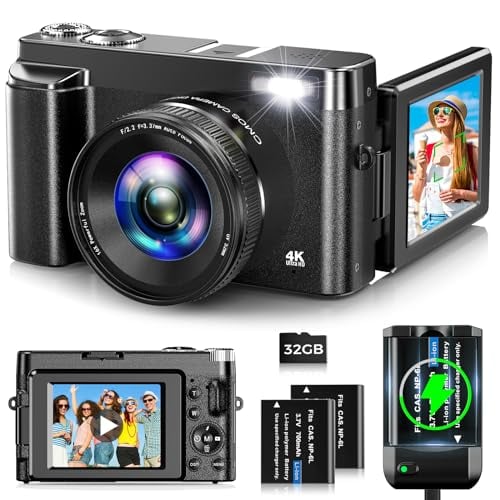
Travel videos live or die by their production quality. You don’t need to spend thousands, but your camera should have a few non-negotiables: a flip screen so you can frame yourself, continuous autofocus, face detection, decent low-light performance, and weather sealing. Lightweight and portable matters too, since you’ll be carrying it everywhere.
Mirrorless cameras have become the standard for travel vloggers in 2026. Models from Sony, Canon, and Fujifilm offer excellent video quality in compact bodies. If you’re on a tight budget, action cameras like the GoPro or DJI Osmo Action also produce surprisingly good footage and fit in your pocket.
For lenses, pack a wide-angle for landscapes and establishing shots, a telephoto for distance subjects, and a standard lens for everyday filming. Optical image stabilization is a big plus when you’re shooting handheld on the move. If you only want to carry one lens, a versatile zoom like a 24-70mm or 18-135mm covers most situations.
2. Don’t Skip the Accessories
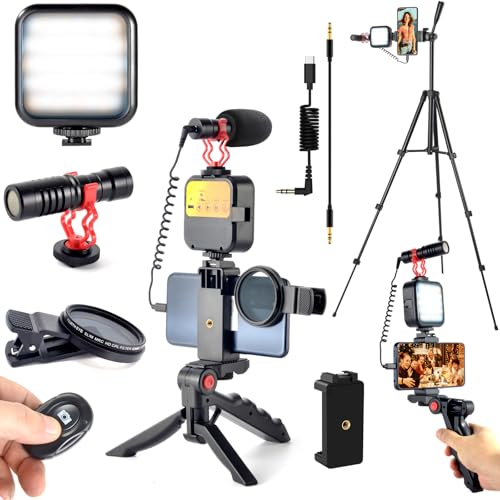
Your camera alone won’t cut it. A solid travel vlogging kit includes a tripod, a GorillaPod for uneven surfaces, a stabilizing gimbal, an on-camera LED light, ND filters, a camera cleaning kit, a portable charger, an external mic, extra batteries, spare memory cards, and an external hard drive for backup.
Audio quality matters just as much as video quality, and many new vloggers overlook this. A cheap on-camera shotgun mic or a wireless lavalier system will make your dialogue sound dramatically better than the camera’s built-in microphone. Viewers will forgive slightly shaky footage, but they won’t stick around for bad audio.
For post-production, you’ll need a reliable laptop and editing software. The edit is where your raw footage actually becomes a story. Popular editing tools include Adobe Premiere Pro, Final Cut Pro, and DaVinci Resolve, which offers a free version that’s surprisingly powerful.
3. Find Your Travel Angle
Stop overthinking and start filming. You don’t need to book a flight to Bali for your first video. Film a day trip to a local lake, a nearby hiking trail, or a hidden gem in your own city. Pay attention to how people respond and adjust from there.
Share practical tips your viewers can actually use. What should they pack? Where’s the best cheap food? What tourist traps should they avoid? Short, useful footage brings viewers back again and again.
People love watching budget travel, local food tours, street culture, and interviews with locals. Your personal experience is what makes your content different from everyone else’s. Don’t try to copy what the big channels are doing. Find the angle that fits your personality and interests, then lean into it.
4. Keep Shooting, Always
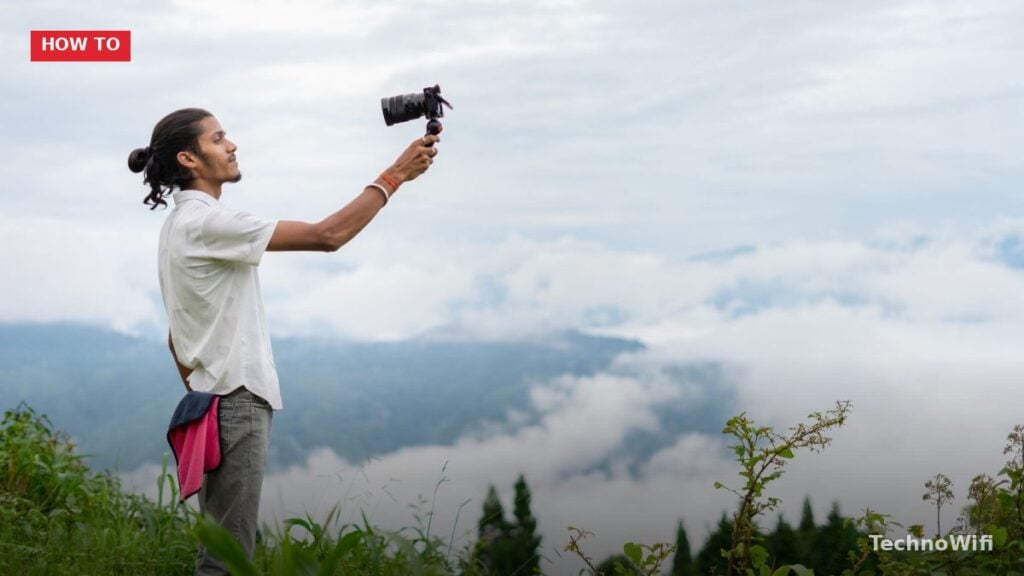
Travel vlogging is a one-take deal most of the time. You can’t reshoot a sunset or ask a street performer to do that again. Stay ready, keep your camera accessible, and have the patience to wait for the right moment.
The more you film, the faster you’ll develop an eye for good shots. It takes practice, but that instinct will come. Shoot more than you think you need, because having extra footage gives you more options in the editing room. A good rule of thumb is to shoot five to ten times more footage than you’ll actually use in the final video.
B-roll is your best friend. Capture close-ups of food, street signs, architecture, and people going about their day. These clips fill gaps in your story and add visual variety that keeps the viewer engaged.
5. Keep Videos Tight
Longer doesn’t mean better. A 10-minute video packed with interesting moments will outperform a 30-minute video full of filler every time. Cut the boring parts, keep the energy up, and aim to stay under 20 minutes for most travel vlogs.
Pacing is everything. Open with something visually striking or a quick hook that tells the viewer what they’re about to see. Don’t spend the first two minutes introducing yourself or explaining your travel plans. Get to the good stuff fast.
Use jump cuts to trim dead space, and don’t be afraid to cut entire scenes that don’t add value to the story. Your viewers’ time is limited, and respecting that keeps them coming back.
6. Optimize for Search
Great content means nothing if nobody finds it. Choose the right keywords for your title and description. Add an eye-catching thumbnail. Include subtitles. Embed and link your videos where it makes sense. Good SEO is what turns a small channel into a growing one.
In 2026, YouTube Shorts and vertical clips on TikTok and Instagram Reels are powerful tools for driving traffic to your main channel. Take your best moments from each full-length vlog and cut them into 30 to 60 second clips. These short-form videos act as previews that pull in new subscribers.
7. Build Your Brand as a Travel Vlogger
Consistency is what separates hobbyists from creators who build real audiences. Pick a posting schedule and stick to it. Whether that’s one video per week or two videos per month, your viewers need to know when to expect new content.
Your channel branding matters, too. Design a clean channel banner, write a short bio that tells people what your channel is about, and use consistent colors and fonts in your thumbnails. When someone lands on your channel page, they should immediately understand what kind of content you make.
Think about your on-camera presence as well. Be yourself, but be intentional about it. Speak clearly, look at the camera when you’re talking, and let your personality come through. Viewers subscribe to people they like, not just destinations.
8. Growing Your Audience Beyond YouTube
Don’t put all your eggs in one basket. Share your content across multiple platforms to reach more people. Post behind-the-scenes photos on Instagram, share quick tips on Twitter, and engage in travel communities on Reddit and Facebook groups.
Collaborating with other travel creators is one of the fastest ways to grow. Reach out to vloggers at a similar subscriber count and suggest a collab video. You both get exposure to each other’s audiences, and the content tends to perform well because viewers enjoy seeing their favorite creators interact.
Email newsletters are underrated in the vlogging world. Start collecting email addresses early through your channel description or website. A monthly newsletter keeps your most loyal fans engaged even when they miss a video in their feed.
Pick your niche and know your audience. When you create with a specific viewer in mind, your content gets sharper and your channel grows faster. So stop reading about how to start travel vlogging and go film something.
See Also